Introduction
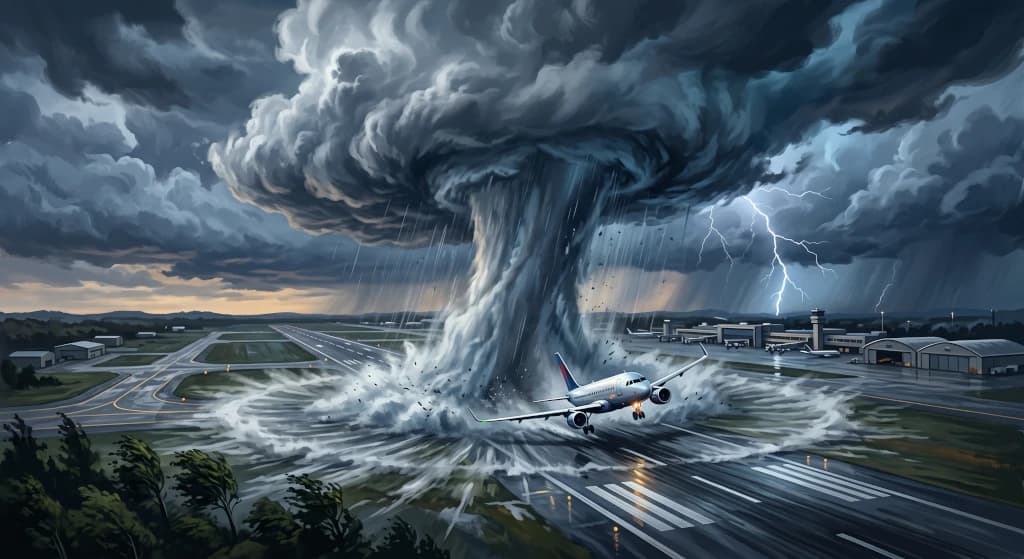
In the annals of aviation safety, few atmospheric phenomena have exerted such a transformative influence on aircraft design, crew training syllabi, and airport radar infrastructure as windshear—and specifically its most lethal, concentrated m...
Introduction
For an aviation enthusiast, flying on a modern wide-body airliner is pure engineering poetry: high-bypass turbofan engines cruising effortlessly at 36,000 feet, carbon-composite wings flexing smoothly through turbulence, and advanced avionics...
Introduction
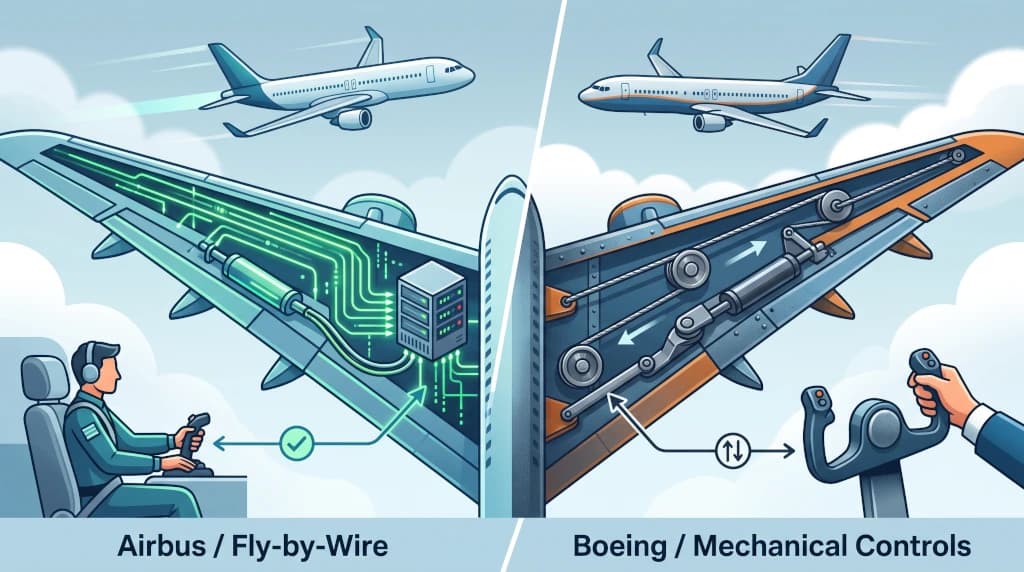
In the realm of commercial aviation, few subjects generate as much passionate, enduring debate as the contrasting design philosophies that govern flight decks and aircraft control systems. Since the dawn of the jet age, airline pilots relied ...
Introduction
When you sit in your seat at 36,000 feet above the vast Atlantic Ocean, browsing social media, chatting with family on the other side of the globe, or streaming a live match on your seatback in-flight entertainment screen, you rarely think ab...
Introduction
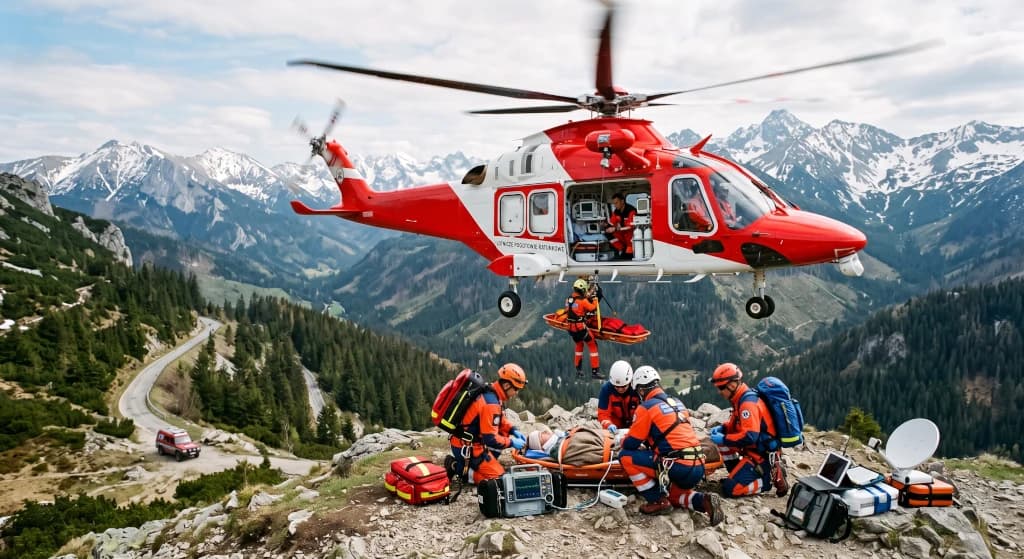
When human life hangs in the balance at thirty thousand feet, the margin for error shrinks to zero. In an airspace where temperatures plummet to -50°C and atmospheric pressure cannot naturally sustain human respiration, airborne hospitals—kno...