

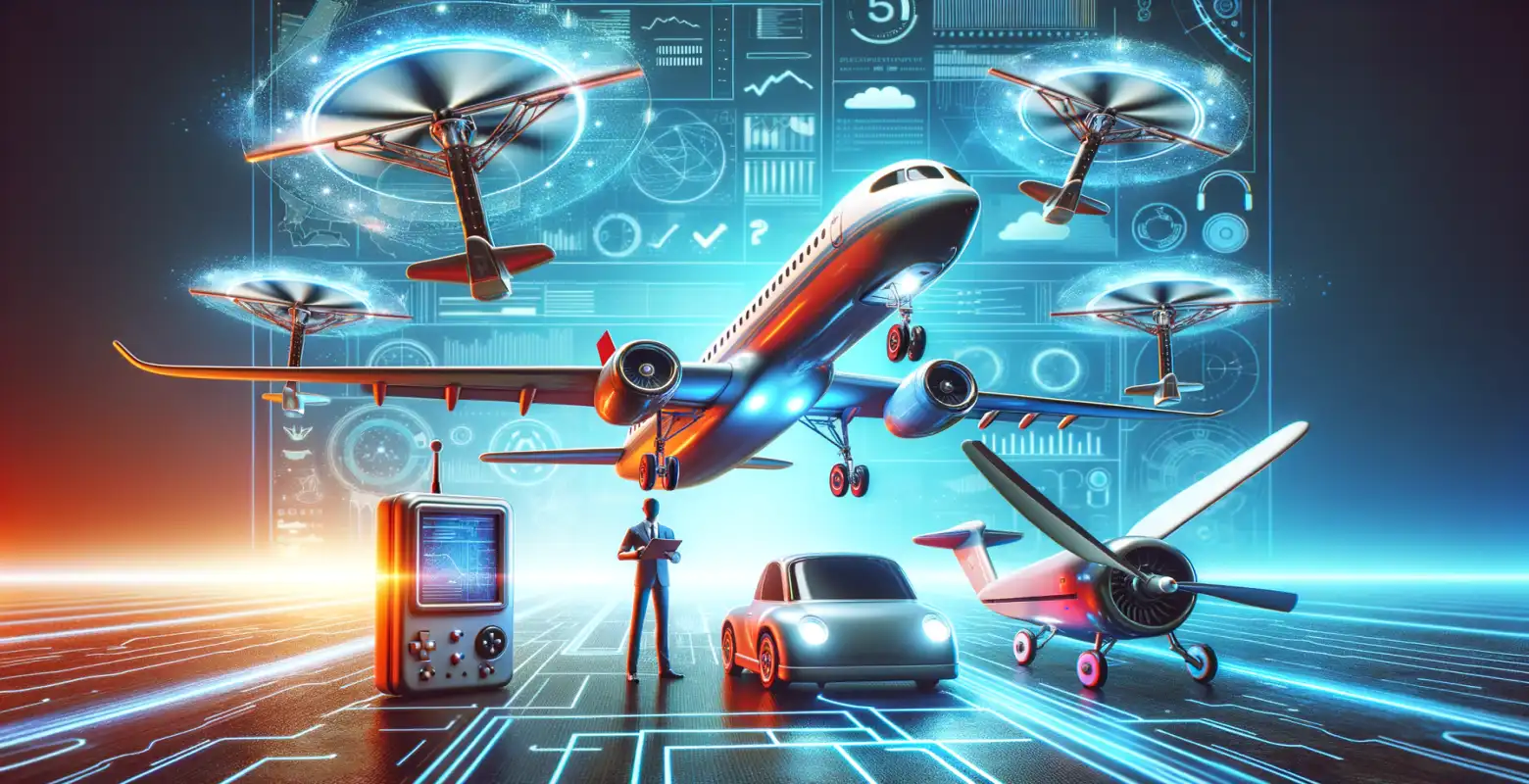
New regulations regarding autonomous aircraft - what is changing?
Introduction
In recent years, autonomous aviation technologies have been gaining importance, and the development of autonomous aircraft is becoming one of the most exciting advancements in the aviation industry. As technological innovations progress, the law must keep pace with changes to ensure safety, efficiency, and compliance with international standards. New regulations regarding autonomous aircraft introduce changes aimed at better adapting to the rapidly evolving market. In this article, we will explore what changes are occurring in legislation, what potential benefits and challenges exist, and what trends may shape the future of autonomous aviation.
New Regulations: Key Changes
New regulations concerning autonomous aircraft cover a wide range of issues, from technical requirements to certification and operational procedures. These changes are necessary to harmonize regulations with rapidly advancing technologies and meet the growing demand for autonomous systems in civil and military aviation.
Technical and Certification Requirements
One of the main areas of regulation is defining technical requirements for autonomous aviation systems. The new regulations specify standards regarding the reliability, accuracy, and error resilience of navigation and control systems. Certification of such systems now requires more rigorous testing, including simulations of various emergency scenarios and an assessment of the aircraft's ability to independently solve problems.
Safety and Data Protection
The safety of autonomous aircraft operations is a priority, so the new regulations impose strict requirements regarding data protection and safeguards against cyberattacks. Increased security measures include advanced encryption and authentication protocols designed to protect systems from unauthorized access and manipulation.
Potential Benefits of Autonomous Aircraft
The introduction of autonomous aircraft brings numerous benefits that have the potential to revolutionize the aviation and transportation industry. Here are some of the key advantages:
Operational Efficiency
Autonomous aircraft can significantly reduce operational costs by eliminating the need for a crew onboard continuously. These aircraft are capable of conducting long-duration missions without breaks for rest, increasing operational efficiency and enabling the implementation of more flexible flight schedules.
Flight Safety
With advanced control and navigation systems, autonomous aircraft can reduce the risk of human errors, which are a major cause of aviation accidents. The use of artificial intelligence and machine learning allows for faster and more precise decision-making in crisis situations.
Challenges and Threats
Despite the numerous benefits, the implementation of autonomous aircraft is not without challenges and potential threats that must be overcome for this technology to be fully integrated with existing aviation systems.
Regulations and Compliance
One of the main challenges is compliance with international regulations and the harmonization of rules among different countries. Establishing uniform standards is crucial for the safe and effective integration of autonomous aircraft into airspace.
Social Acceptance
Despite technological advancements, society may have concerns regarding the safety and trust in autonomous systems. Overcoming these concerns will require extensive education and transparency from manufacturers and regulators.
The Future of Autonomous Aircraft
Looking ahead, autonomous aircraft have the potential to revolutionize the way we think about aviation transport. As technology continues to advance, we can expect further innovations and regulatory changes to support the development of this rapidly evolving industry.
Integration with Urban Mobility
One of the most exciting trends is the integration of autonomous aircraft with urban mobility, including their use as flying taxis in congested urban areas. Such solutions can significantly reduce travel time and ease the burden on traditional modes of transportation.
International Collaboration
A crucial aspect of the future of autonomous aircraft will be international collaboration in regulations and technology. Global cooperation is essential to ensure that all countries can benefit from this technology safely and consistently.
Summary
The new regulations concerning autonomous aircraft represent a step forward towards fully integrating modern technologies with traditional aviation. The introduced changes aim to ensure safety, efficiency, and compliance with international standards. Despite challenges related to regulations and social acceptance, the future of autonomous aircraft seems promising, with the potential to transform the aviation and transportation industry. To fully harness the potential of this technology, further international cooperation and continuous technological development will be necessary.



Number of comments: 0