

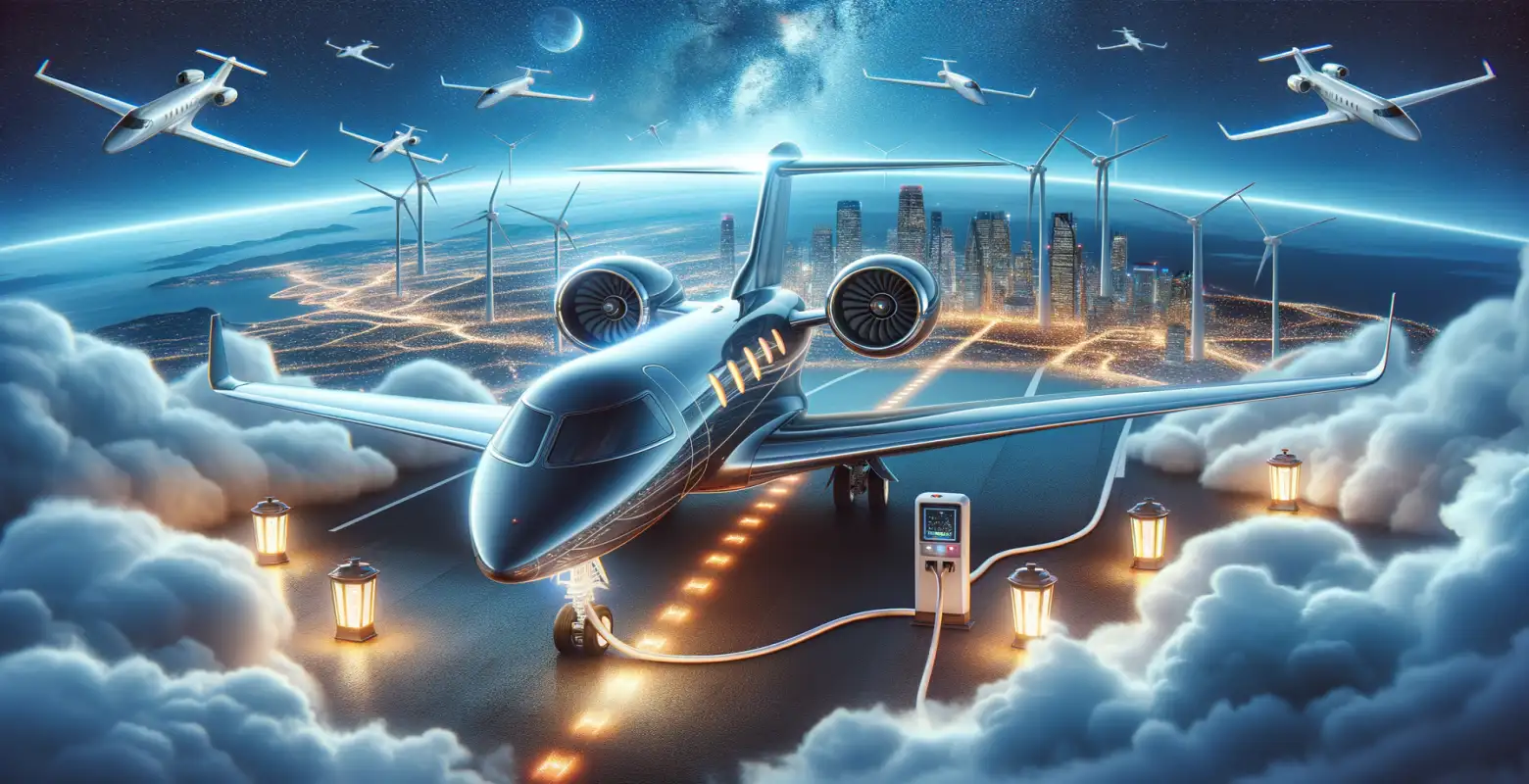
Are electric jets the future of private aviation?
Introduction
In the age of growing ecological awareness and technological advancement, electric jets are becoming of interest both in the commercial and private sectors. Although the idea of electric aircraft is not new, it is only now, thanks to innovations in battery technology and propulsion, that it is beginning to take on tangible forms. Let's consider whether electric jets can become the future of private aviation by analyzing their advantages, disadvantages, and potential challenges.
Advantages of Electric Jets
Environmental Protection
One of the key arguments in favor of electric jets is their environmental friendliness. Unlike traditional aircraft that burn vast amounts of fossil fuels, electric jets can significantly reduce CO2 emissions. This is a crucial aspect in the context of global efforts to reduce the carbon footprint and combat climate change.
Noise Reduction
Electric engines are much quieter than their combustion counterparts, which is important for both passengers and communities living near airports. Noise reduction can contribute to greater acceptance of airports in urbanized regions, which is often problematic with conventional aircraft.
Lower Operating Costs
The operational costs associated with using electric jets can be significantly lower, especially considering the rising fuel prices. Electric propulsion requires less maintenance, resulting in lower fleet maintenance expenses. Additionally, electric power may be cheaper and more price-stable than traditional aviation fuels.
Challenges Facing Electric Jets
Limited Range
One of the biggest challenges for electric jets is their limited range, stemming from the current technological capabilities of batteries. Current batteries are not yet able to provide sufficient energy for long-distance flights, limiting their application to short routes.
Charging Time
While refueling a traditional aircraft takes only a few minutes, charging electric batteries can take significantly longer. This logistical challenge requires investment in charging infrastructure at airports and the development of fast-charging technologies.
Infrastructure and Regulations
Introducing electric jets on a large scale requires the creation of adequate infrastructure and the adaptation of legal regulations. Airports need to be equipped with suitable charging stations, and aviation regulations must take into account new technologies, which requires time and investment.
Trends and Future of Electric Jets
Technological Progress
The aviation industry is actively working on developing the technologies needed for the introduction of electric jets. Work on new, more efficient batteries, the development of hybrid propulsion technologies, and innovative approaches to aircraft design are crucial for the future of this sector.
Investments and Pilot Projects
Many airlines and startups are engaging in pilot projects, testing various electric propulsion solutions. Projects such as Eviation's Alice or Bye Aerospace's eFlyer demonstrate that the industry is taking aviation electrification seriously.
Customer Interest
More and more individuals and businesses are showing interest in electric jets, both for ecological and economic reasons. As technologies continue to develop, it can be expected that the demand for electric aircraft will grow.
Summary
Electric jets have the potential to become the future of private aviation, offering significant environmental and economic benefits. However, before their widespread adoption, there are many technological and infrastructural challenges to overcome. Key to this will be the further development of battery technologies and regulatory and infrastructural support. As these obstacles are overcome, electric jets may become a viable alternative to traditional aircraft, contributing to a more sustainable future for aviation.



Number of comments: 0