

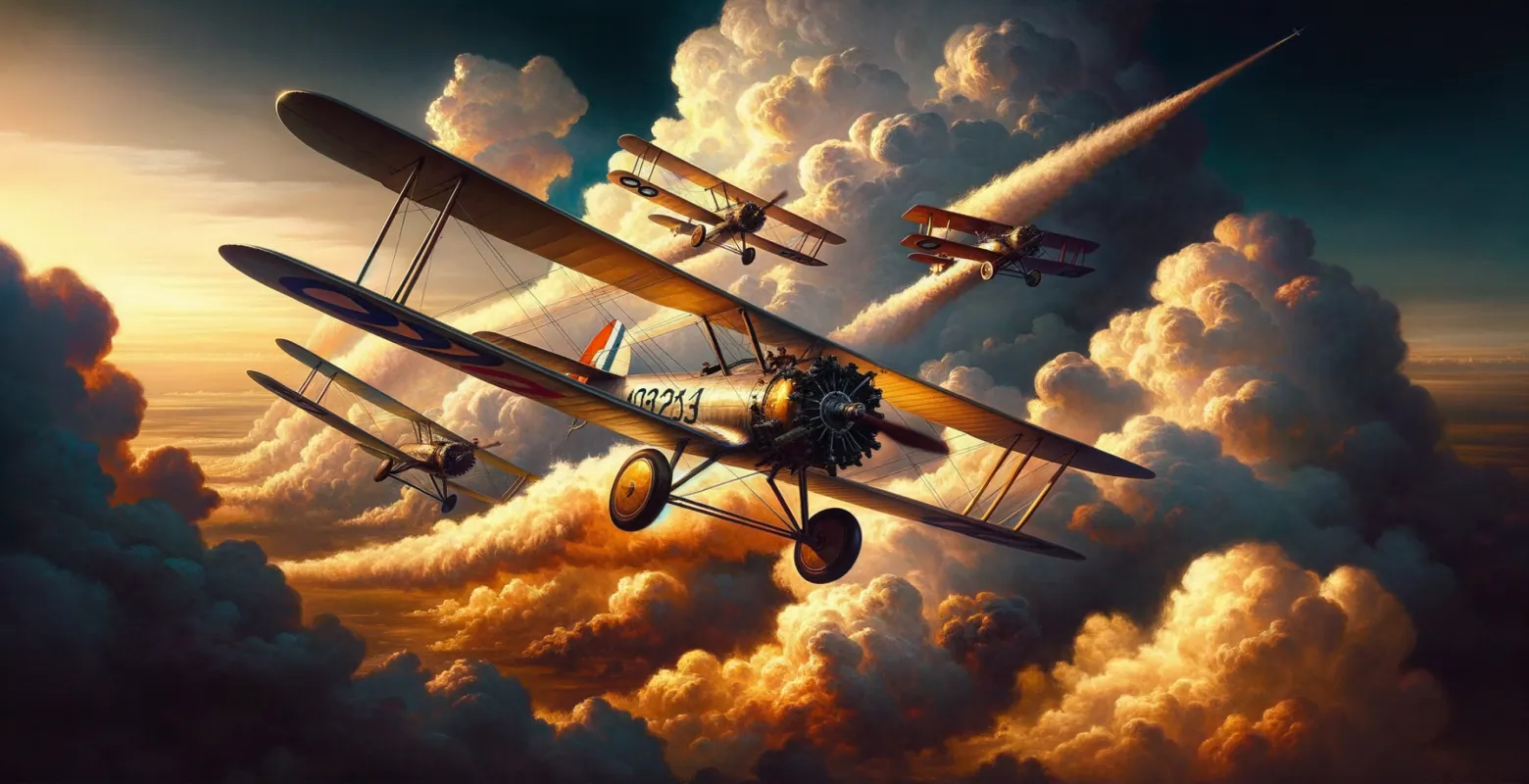
Planes that defined the golden age of aviation
Introduction
The Golden Age of Aviation is a period in history that marked rapid development of aviation technologies and the increasing popularity of air travel. The events and innovations of this time shaped modern aviation, influencing the way we travel and perceive the world. The aircraft that emerged during this period became icons not only of the aviation industry, but also of popular culture. In this article, we will examine the machines that defined the Golden Age of Aviation, their impact on today's technologies, and their significance in history.
Passenger Aircraft: The Birth of Modern Travel
In the 1930s, passenger aircraft began to play a key role in international transportation. One of the most famous aircraft of this period is the Douglas DC-3. Introduced in 1935, the DC-3 became a symbol of reliability and comfort in air travel. Its design allowed for the transport of a larger number of passengers and goods, making travel more cost-effective for both airlines and passengers.
Aircraft like the DC-3 were pioneers in terms of travel comfort. They introduced standards that still apply in aviation today, such as comfortable seating, in-flight service, and increased flight stability. During this period, air travel became more accessible to a wider audience, contributing to the development of the global tourism industry.
Technological Innovations: From Helicopters to Jetliners
Another milestone in the Golden Age of Aviation was the transition from propeller-driven aircraft to jetliners. In the 1950s, aircraft like the Boeing 707 revolutionized the aviation industry. The Boeing 707 was one of the first commercial jetliners capable of transporting passengers over long distances at high speeds, significantly reducing travel time on intercontinental routes.
The introduction of jet technology also led to advancements in flight safety and reliability. Modern materials and navigation systems used in jet aircraft contributed to improved performance and increased travel safety. As a result, jetliners became the standard in commercial aviation, opening up new possibilities for international transport.
The Influence of Military Innovations on Civil Aviation
Military innovations also played a significant role in the development of the civil aviation industry. During World War II, the advancement of aviation technologies accelerated, and many of these innovations later found applications in civil aviation. For example, the development of turbojet engines and advanced navigation systems had their roots in military research.
Aircraft like the Lockheed Constellation, also known as the "Connie," utilized technologies developed during the war to deliver exceptional comfort and performance. The Constellation was known for its unique design and luxurious interior, attracting many affluent travelers. It was also one of the first aircraft capable of transatlantic flights without intermediate stops.
Groundbreaking Designs: Icons of Design and Technology
The Golden Age of Aviation saw many groundbreaking designs that became icons of both technology and design. One such example is the Concorde, a supersonic passenger aircraft that debuted in the 1970s. With its ability to exceed the speed of sound, the Concorde revolutionized transatlantic travel, reducing the flight time between New York and Paris to just a few hours.
The Concorde was not only a symbol of technological advancement but also of luxury and prestige. Its exclusivity attracted celebrities and business people, yet high operating costs and limited passenger capacity posed challenges to its commercial viability. Nonetheless, the Concorde remains a symbol of innovation and ambition in aviation.
Challenges and the Future of the Aviation Industry
While the Golden Age of Aviation was a period of dynamic technological development and the growing popularity of air travel, the aviation industry faced many challenges. The increasing number of passengers led to congestion at airports, and rising fuel prices and operational costs became significant issues. Additionally, environmental protection and sustainable development issues began to gain importance.
Today, the aviation industry is focusing on sustainable development and technological innovations. New technologies, such as electric and hybrid aircraft, have the potential to revolutionize the way we travel. The pursuit of increased fuel efficiency and the reduction of greenhouse gas emissions have become priorities for many aircraft manufacturers and airlines.
Summary
The Golden Age of Aviation was a period of intense technological development and the growth of air travel popularity. The aircraft that defined this era contributed to changes in how we travel and perceive the world. Innovations from this time, such as the transition from propeller-driven to jet aircraft, had a lasting impact on the aviation industry and continue to shape its future.
As the aviation industry faces new challenges, such as sustainable development and the need for technological innovation, the future of aviation is expected to be as dynamic and inspiring as its past. For aviation enthusiasts and those interested in its history, understanding the Golden Age of Aviation is key to appreciating the achievements that have brought us to where we are today.


Kam
2024-10-21, 10:52Douglasa DC-3 miałem okazję zobaczyć w Muzeum Lotnictwa Polskiego w Krakowie. Ciekawy powrót do przeszłości :)