

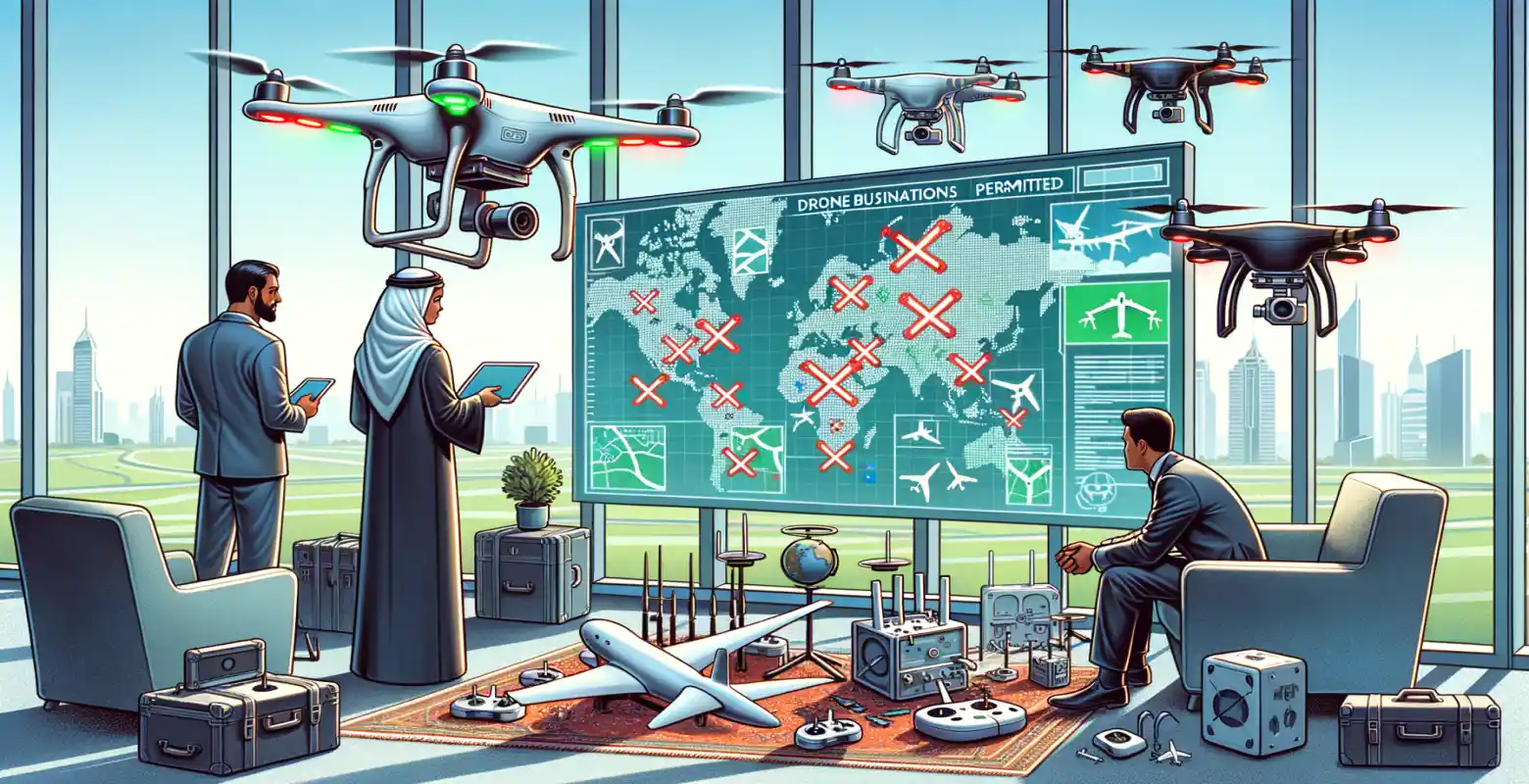
How do drone regulations affect entrepreneurs?
Introduction
With the dynamic development of drone technology, their use is becoming increasingly common. Drones, once mainly associated with military operations, now find applications in various fields, from photography and filming, through agriculture, to goods delivery. However, along with their growing popularity, new regulatory challenges arise. How do drone regulations affect entrepreneurs? This question is becoming increasingly important, especially since regulations in this area can impact the way businesses are run, innovation, and competitiveness in the market. In this article, we will examine this issue from various perspectives to understand how regulations can shape the future of the drone industry.
Significance of Drone Regulations
Regulations concerning drones are crucial for several reasons. Firstly, they ensure public safety by preventing accidents and collisions in airspace. As the number of drones in the air increases, so does the risk to other airspace users, including passenger aircraft. Therefore, it is necessary to establish clear rules regarding where and when drones can fly.
Regulations also aim to protect citizens' privacy. Drones equipped with cameras can potentially violate privacy by filming people without their consent. In this context, regulations may require obtaining appropriate licenses or permissions before commencing operations, which means entrepreneurs must meet additional requirements.
Impact of Regulations on Innovation
Innovations in drone technology may encounter various obstacles related to regulations. On the one hand, strict regulations can hinder technological development, limiting the testing possibilities of new solutions. On the other hand, clear and transparent regulations can stimulate innovation by providing legal certainty and encouraging investments.
An example could be the development of autonomous drones capable of performing operations without direct human supervision. Such technologies can revolutionize the logistics industry, but their implementation requires compliance with stringent safety standards, which can be costly and time-consuming for entrepreneurs.
Regulations and Market Competitiveness
Regulations can also affect the competitiveness of entrepreneurs. Companies that can quickly adapt to new regulations can gain a competitive advantage by offering services that are compliant with the law and safe for users. Conversely, businesses unable to meet regulatory requirements may be pushed out of the market.
For instance, the requirement to register drones and obtain licenses for their use may serve as an entry barrier for small firms lacking sufficient financial and administrative resources. In contrast, large corporations capable of complying with new requirements may dominate the market.
History and Evolution of Drone Regulations
Regulations concerning drones have evolved in response to the increasing importance of this technology. Initially, many countries lacked clear regulations, leading to legal uncertainty and law enforcement issues. Over time, with a growing number of drone-related incidents, more detailed regulations were introduced.
In the European Union, new drone regulations have been in effect since January 1, 2021, aiming to harmonize regulations across the community. These regulations include requirements such as drone operator registration and drone classification based on risk level, affecting the conditions for their use.
Challenges Associated with Regulations
Entrepreneurs must face numerous challenges to meet regulatory requirements. Firstly, it is essential to monitor changes in regulations, which can be frequent and complex. Additionally, complying with all legal requirements may involve incurring additional costs, both financial and time-related.
Another challenge is managing the risk associated with legal liability. In the event of a drone-related incident, the entrepreneur may be held civilly or criminally liable, necessitating the possession of adequate insurance and safety procedures.
The Future of Drone Regulations
The future of drone regulations will largely depend on further technological development and its application in various fields. It can be expected that regulations will evolve towards greater flexibility, enabling broader utilization of drones in logistics, agriculture, and emergency services.
One of the future trends may involve the development of regulations for autonomous drones and their integration with other transport systems. Moreover, the increasing importance of data protection and privacy may lead to stricter regulations in this area, requiring entrepreneurs to implement new technological solutions.
Summary
Drone regulations significantly impact entrepreneurs, shaping how they conduct business. On one hand, regulations ensure safety and privacy protection; on the other hand, they may pose challenges to innovation and competitiveness. As drone technology advances, regulations will need to adapt to new realities, presenting both challenges and opportunities for entrepreneurs. Therefore, it is important for entrepreneurs to stay up-to-date with regulations and actively engage in shaping the process to fully leverage the potential of this rapidly evolving technology.


Number of comments: 0