

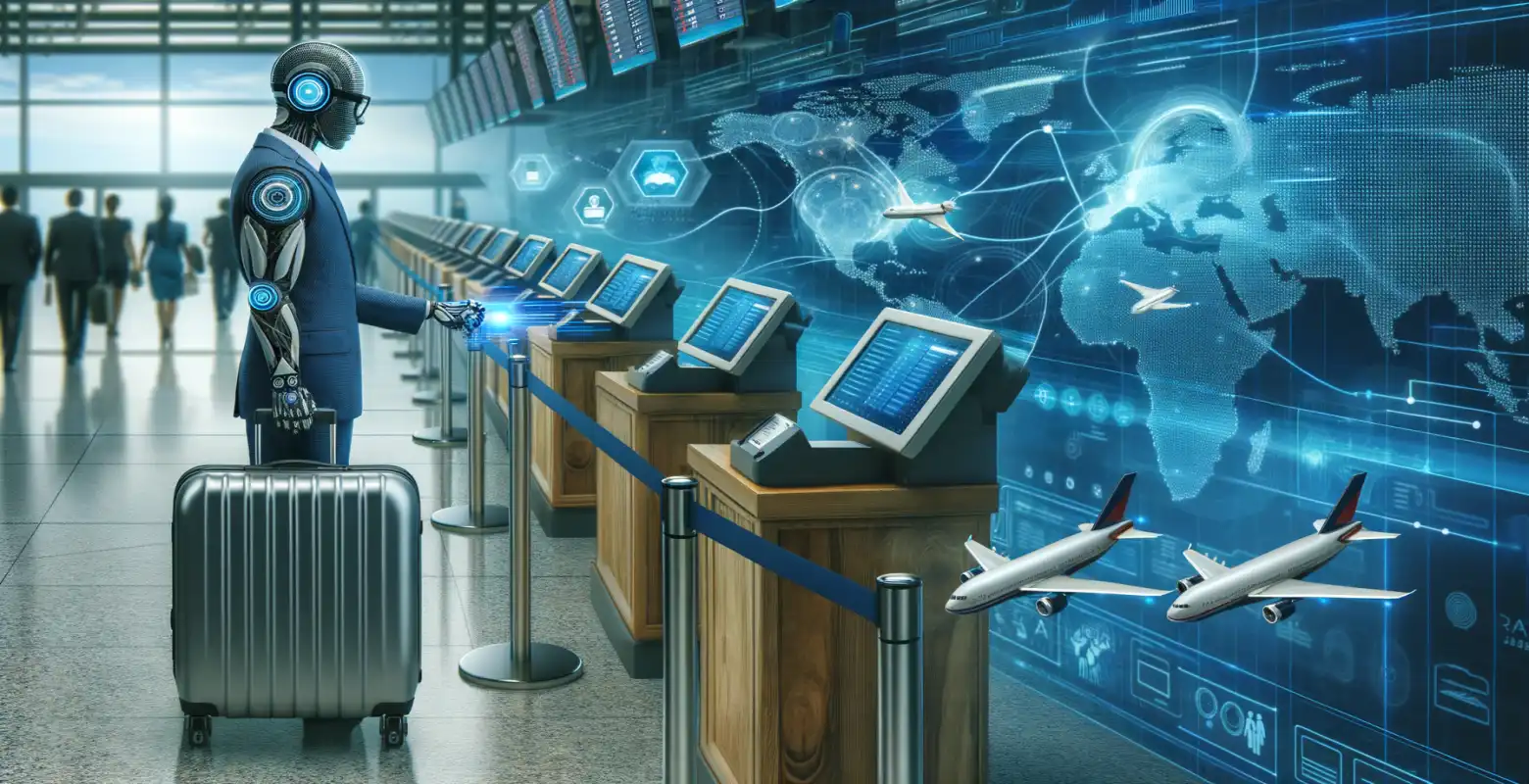
New technologies speeding up passenger processing at airports
Introduction
In today's world, where globalization and mobility are commonplace, fast and efficient passenger processing at airports is crucial. Every day, millions of people travel by plane, and airports are facing increasing challenges related to passenger handling. The growing number of travelers necessitates the implementation of new technologies by airport services to expedite and streamline the processing. In this article, we will examine the new technologies that are reshaping the face of airport processing, analyzing their impact on efficiency, security, and passenger comfort.
Automation as a Key Trend
Automated check-in kiosks are becoming increasingly popular worldwide. These self-service devices allow passengers to check-in and print their boarding passes independently, significantly reducing waiting times in queues. According to the International Air Transport Association (IATA) report, as many as 75% of passengers prefer self-check-in, highlighting the importance of automation in the handling process.
Another example is biometric gates, which utilize facial recognition technology to identify passengers. These innovative solutions not only expedite the processing but also enhance security levels. Biometrics enable flawless and rapid identity confirmation, crucial in the context of terrorist threats.
Advancement of Biometric Technologies
Biometric technologies such as facial recognition, iris scanning, or fingerprint scanning are gaining popularity in the aviation industry. They not only speed up the processing but also enhance security levels at airports. For instance, Heathrow Airport in London successfully implemented a facial recognition system, reducing passport control time by up to 30%.
The fact that more and more airports are investing in biometric technologies showcases their immense potential. It is predicted that by 2025, over 80% of airports worldwide will be utilizing biometric solutions, making travel smoother and safer.
Mobile Technologies and Their Impact on Processing
Smartphones have become an integral part of our lives, and their role in passenger processing is growing. Mobile applications enable passengers not only to check-in remotely but also to monitor flight status, gate changes, or baggage information. This allows passengers to better plan their travel and avoid stressful situations.
Furthermore, near-field communication (NFC) technology enables smartphones to be used as boarding passes, eliminating the need for printed documents. Airports have also introduced push notification systems that inform passengers of any flight-related changes.
Challenges Associated with Implementing New Technologies
Despite the numerous benefits that new technologies bring, their implementation is not without challenges. One of the main issues is personal data protection. In the age of digitization and globalization, privacy and data security concerns are becoming increasingly pressing. Airports must ensure that biometric data and other personal information are adequately protected.
Another challenge is infrastructure adaptation. Implementing new technologies requires significant investments in both equipment and staff training. This, in turn, can lead to delays and issues in the initial implementation phase.
The Future of Passenger Processing at Airports
Looking ahead, we can expect further development of technologies that expedite passenger processing. Artificial intelligence (AI) and machine learning can play a crucial role in optimizing processes and personalizing passenger service. These technologies can help predict passenger flow and manage resources more efficiently.
Another promising trend is the Internet of Things (IoT), which allows for the integration of various systems and devices, potentially revolutionizing how airports are managed. With IoT, better monitoring and management of passenger flow and airport resources will be possible.
Summary
New technologies that expedite passenger processing at airports have tremendous potential to change the face of air travel. Automation, biometrics, and mobile technologies already offer benefits such as reduced waiting times and increased security. Despite the challenges associated with their implementation, the undeniable benefits of deploying these technologies are clear. In the future, we can expect further development of these technologies, making travel even more comfortable and secure. We encourage you to follow these changes and take advantage of the opportunities offered by modern airports.



Number of comments: 0