

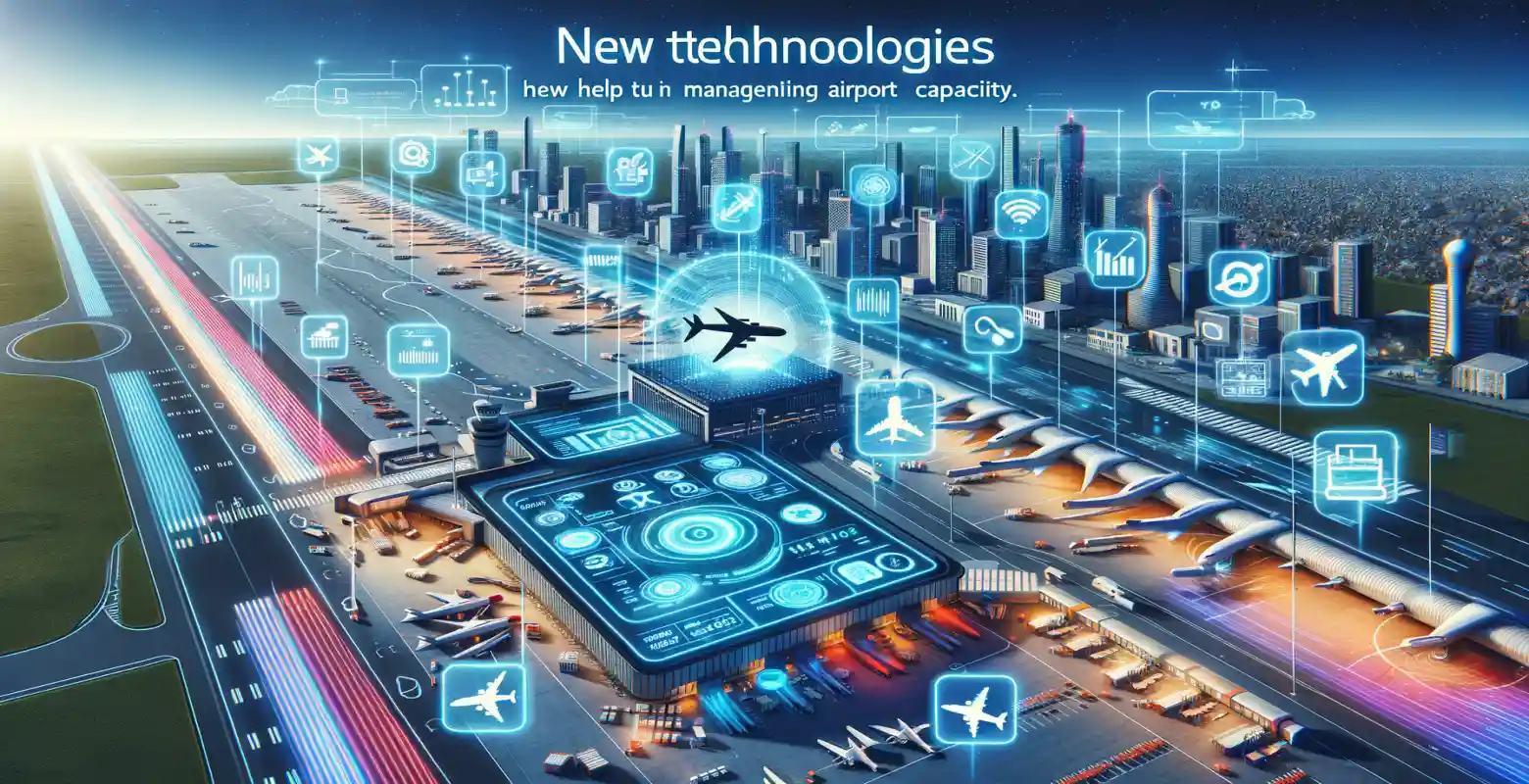
New technologies supporting airport capacity management
Introduction
In the era of rapidly developing air transport, managing airport capacity has become a key challenge for operators and aviation authorities worldwide. The increase in the number of passengers and flight connections requires the implementation of modern technological solutions that will allow for efficient traffic management, minimizing delays, and increasing the safety of aviation operations. In this context, new technologies play a significant role, enabling airports to meet the growing market demands. In this post, we will take a closer look at the latest technologies supporting airport capacity management, their benefits, challenges, and future trends in this field.
Intelligent Air Traffic Management Systems
One of the key elements of modern airport capacity management is the implementation of intelligent air traffic management systems (ATM - Air Traffic Management). Thanks to advanced algorithms and technologies such as artificial intelligence and machine learning, it is possible to optimize flight routes and manage traffic on the ground. These systems allow for dynamic allocation of take-off and landing slots, significantly reducing the waiting time for aircraft to take off or land.
The introduction of solutions such as SESAR (Single European Sky ATM Research) in Europe and NextGen in the United States aims to create a more integrated and efficient air traffic management system at the international level. By using modern technologies, airports can better coordinate their actions with other airports and adapt to changing weather or technical conditions.
Automation of Ground Processes
Automation of ground processes is another important element in improving the efficiency of airport capacity management. Introducing robots and automatic systems for handling baggage, refueling aircraft, or guiding passengers to the appropriate gates helps shorten the time of ground operations and minimize the risk of human errors.
One example of automation at the airport is the use of autonomous vehicles for transporting baggage between terminals and aircraft. These technologies not only speed up logistical processes but also reduce operational costs. Automation also supports the management of aircraft parking spaces, which is crucial for increasing capacity.
Monitoring and Data Analysis Systems
Monitoring and data analysis technologies play a crucial role in airport capacity management. With advanced monitoring systems, airports can analyze passenger and aircraft traffic in real-time, allowing for a quick response to potential overloads or unforeseen situations.
The use of technologies such as Big Data and the Internet of Things (IoT) enables the collection and processing of vast amounts of data, which in turn allows for better forecasting of airport loads at different times of the day or year. This approach enables more efficient resource planning and optimization of airport operations.
Biometric Technologies
The use of biometric technologies is becoming increasingly popular at airports worldwide, contributing to improving capacity and enhancing security levels. Facial recognition, fingerprint scanning, or iris identification are just some of the methods that allow for faster and more secure passenger handling.
Biometric technologies help streamline check-in and security control processes, reducing the time needed to verify passengers' identities. Furthermore, the implementation of such solutions increases passenger satisfaction, as they can expect a smoother and more comfortable check-in process.
Challenges and Future Trends
While new technologies offer many benefits, their implementation at airports comes with certain challenges. High investment costs, the need to adapt infrastructure, and ensuring the security of personal data are just some of the issues that need to be addressed.
However, the future of airport capacity management is inseparably linked to the further development of technology. In the coming years, we can expect even greater integration of systems, the development of 5G technology, and artificial intelligence, allowing for even more efficient air traffic management. Airports will also need to focus on sustainable development, meaning a greater emphasis on emissions reduction and ecological solutions.
Summary
New technologies supporting airport capacity management play a crucial role in meeting the challenges of modern air transport. Intelligent traffic management systems, automation of ground processes, advanced monitoring technologies, and biometric passenger identification methods are just some of the solutions that contribute to improving operational efficiency at airports. Despite existing challenges, the future looks bright, and further technological development will surely bring even more innovative solutions that will enable even better airport capacity management.


Number of comments: 0