

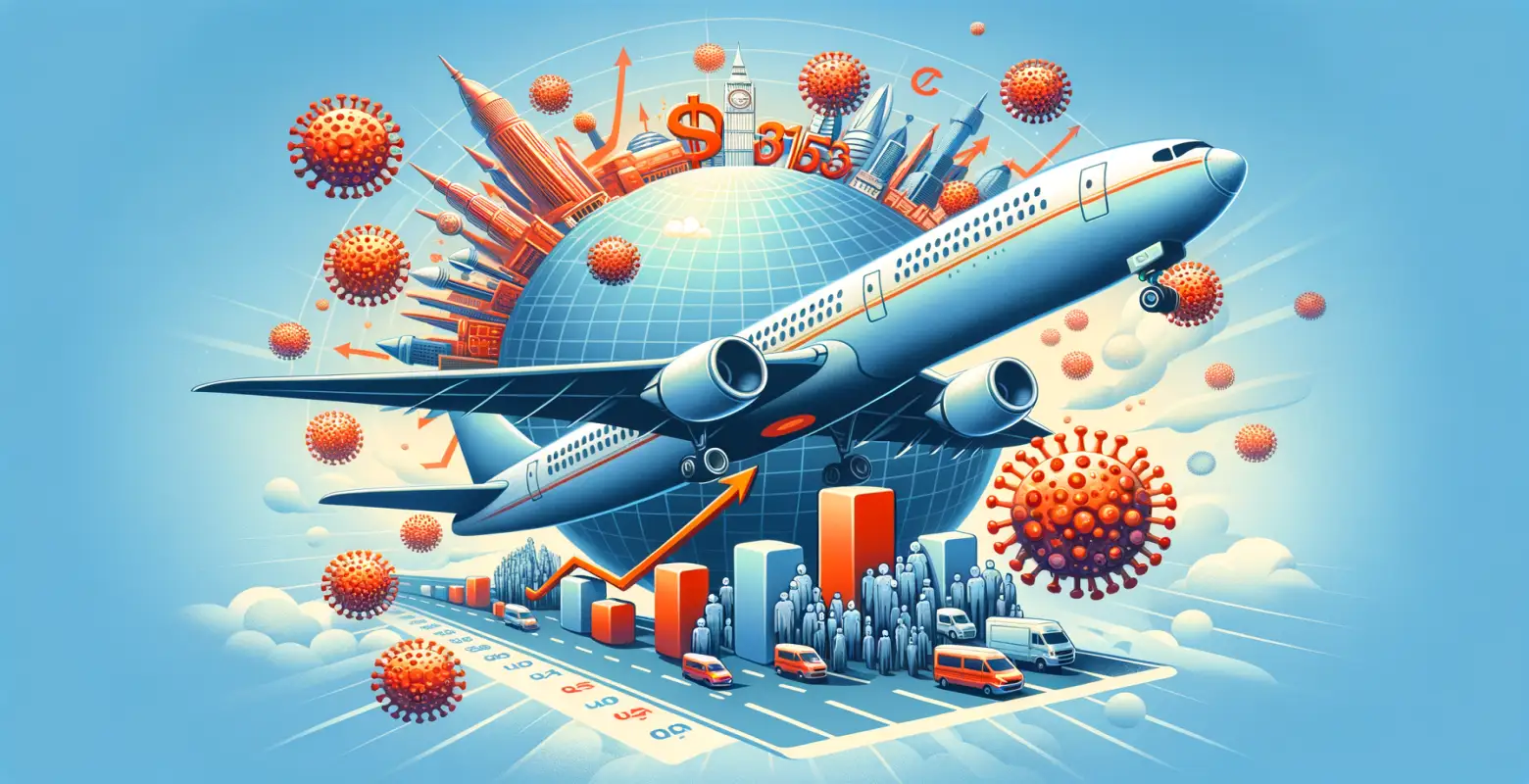
The growth in the number of passengers after the pandemic - what are the forecasts for the coming years?
Introduction
The growth in the number of passengers post-COVID-19 pandemic is a topic that is of interest not only among experts in the transportation industry but also among passengers themselves who eagerly await a return to normalcy. The pandemic has significantly impacted the way we travel, forcing many people to limit their journeys to a minimum. With the introduction of vaccinations and easing of restrictions, the transport sector is beginning to revive. What are the forecasts for the coming years? Can we expect a return to pre-pandemic levels, or even surpass them?
Impact of the pandemic on the transport sector
The COVID-19 pandemic has caused an unprecedented crisis in the transport sector, including aviation, railways, and maritime transport. In 2020, air traffic decreased by approximately 60%, marking the largest decline in the history of commercial aviation. Similarly, railway transport experienced significant declines, especially in international traffic. The pandemic also led to a decrease in the number of passengers in public transport, which had consequences for the financing and planning of transport infrastructure.
Gradual revival: initial signs of returning to normalcy
Despite the challenges, transportation sectors are beginning to show signs of revival. The introduction of mass vaccinations and the easing of travel restrictions have contributed to an increase in the number of passengers. According to the International Air Transport Association (IATA), in 2021, air traffic increased by about 18% compared to the previous year. This growth is particularly noticeable in the area of local travel, where restrictions are less strict.
Forecasts for the coming years: expectations and challenges
Forecasts for the coming years indicate further growth in the number of passengers, although it may take several more years to fully rebuild traffic to pre-pandemic levels. Experts predict that by 2023, the number of passengers will return to 2019 levels and then begin to grow at an average annual rate of 3-4%. A key challenge will be adapting infrastructure to new needs, including ensuring health safety and sustainable development.
Technological innovations as a growth engine
New technologies can play a key role in accelerating passenger growth. The introduction of digital health passports, automation of check-in processes, and the development of technologies related to unmanned traffic can contribute to increased safety and comfort in travel. Furthermore, the development of sustainable transport technologies, such as electric aircraft, can also help reduce the carbon footprint of the transport sector.
Impact of sustainable development on the future of transport
Sustainable development is becoming an increasingly important element of transport sector development strategies. Faced with growing concerns about climate change, transport companies must introduce innovations to minimize their environmental impact. Investments in ecological technologies, such as electric vehicles and renewable energy sources, are crucial for the long-term growth of the sector.
Challenges related to regulations and safety
One of the main challenges facing the transport sector is the changing regulations concerning health safety and environmental protection. Companies must adapt to new requirements, which may involve additional costs and operational changes. It is also essential to ensure that new technologies and processes are safe and effective.
Summary
The growth in the number of passengers post-pandemic is a complex process that requires consideration of many factors, from technological innovations to sustainable development and legal regulations. The transport sector faces the challenge of rebuilding and adapting to new realities, but at the same time, it has many opportunities for development. Understanding and leveraging these opportunities will be key to ensuring a safe, efficient, and sustainable future for passengers worldwide.
For readers interested in transportation topics, it will be important to follow further trends and changes in the industry, as well as engage in discussions about the future of travel. The possibilities are vast, and decisions made today can have long-term consequences for the entire sector.



Number of comments: 0