

The latest technologies in private aircraft
Introduction
In recent years, technology in private aviation has undergone a tremendous evolution, transforming the way we travel and manage our time in the skies. Private jets, once seen as a luxury accessible only to the wealthiest, have now become a symbol of innovation and efficiency. In an era where time is one of the most valuable resources, the latest technologies in private aircraft offer not only convenience but also safety and exciting possibilities. In this article, we will examine the latest technological trends in this field, their impact on the industry, and the future that lies on the horizon.
Advanced Navigation Systems
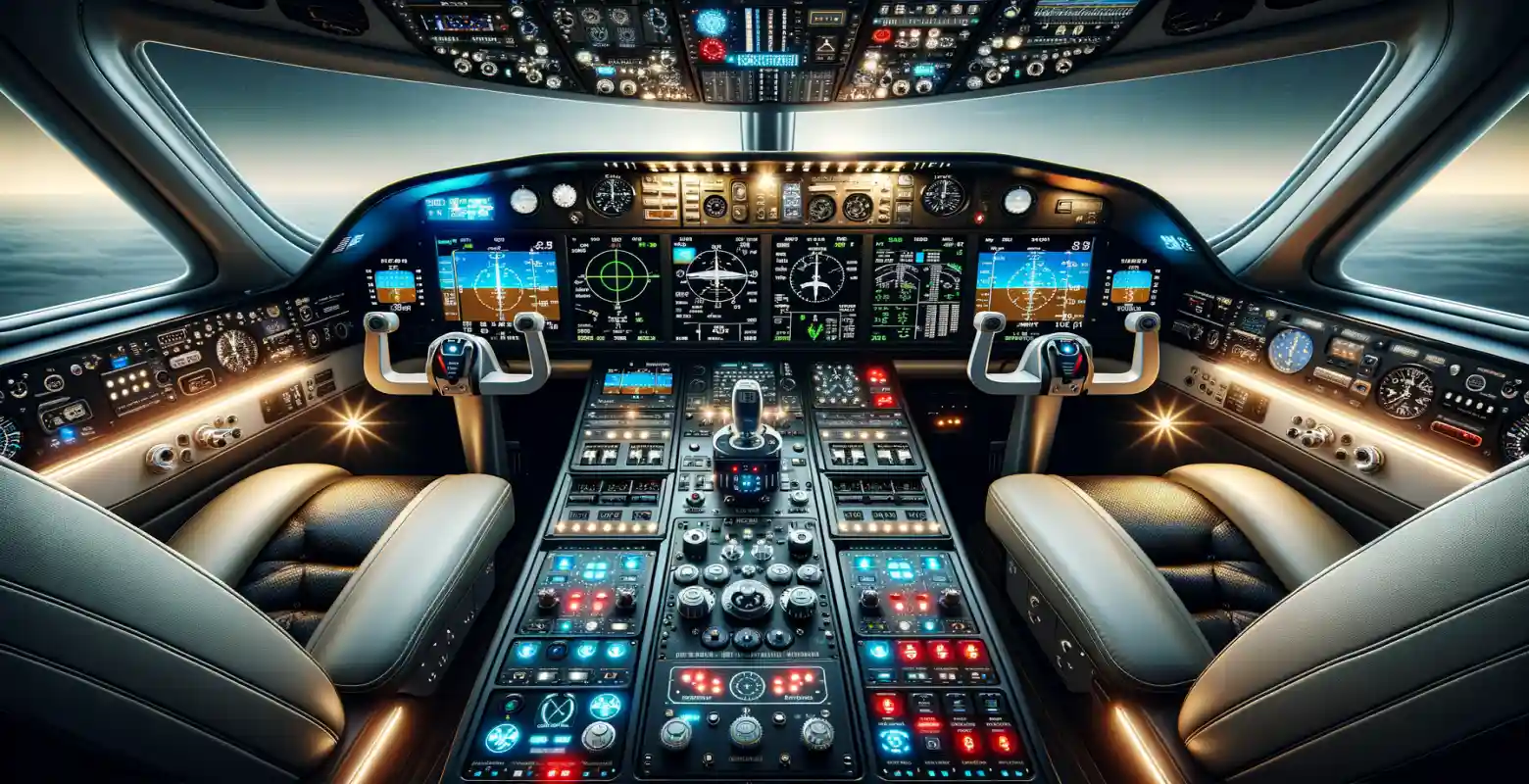
One of the key elements of every modern aircraft, including private jets, are advanced navigation systems. With these systems, pilots can utilize more precise data regarding geographical position, allowing for more efficient flight route planning. Modern navigation systems often rely on GPS technology, which is integrated with other systems such as ADS-B (Automatic Dependent Surveillance-Broadcast). This combination enables more accurate monitoring of the aircraft's position in real time, resulting in increased safety and better coordination with air traffic control.
Modern Safety Systems
Safety is a priority in aviation, and modern technologies in private aircraft raise its standards. The introduction of systems such as TCAS (Traffic Collision Avoidance System) allows for active collision avoidance by automatically warning pilots of approaching aircraft. On the other hand, EGPWS (Enhanced Ground Proximity Warning System) prevents collisions with terrain obstacles by alerting the crew of dangerous proximity to the ground. Additionally, increasingly advanced autopilot systems can take control of the aircraft in emergency situations, which is particularly important in case of a sudden deterioration in the pilot's health.
Comfort and Entertainment Onboard
Modern private aircraft offer an unprecedented level of comfort and entertainment for passengers. Cabin management systems allow for personalization of the flight experience, enabling control of lighting, temperature, or entertainment systems directly from mobile devices. Many aircraft are equipped with modern multimedia systems, providing access to the internet, satellite television, and a wide range of on-demand movies and music. These amenities make traveling not only efficient but also enjoyable and relaxing.
Fuel Efficiency and Ecology
In the face of growing environmental awareness, fuel efficiency is becoming an increasingly important aspect in private aviation. Modern aircraft are equipped with next-generation turbofan engines that not only reduce fuel consumption but also decrease emissions of pollutants. Composite materials used in the construction of airframes are lighter and more durable, which also translates into lower energy consumption. Furthermore, more and more airlines are investing in the development of electric and hybrid aircraft, which could revolutionize the future of air travel, making it more environmentally friendly.
Connectivity and System Integration
In today's world, connectivity is a key element of every journey, whether it's a business or private flight. Modern aircraft are equipped with advanced communication systems that provide constant access to the internet even at high altitudes. Through satellite technology, passengers can enjoy fast internet, allowing for work, conducting video conferences, or using online entertainment without disruptions. The integration of onboard systems with mobile platforms also enables controlling all aspects of the journey from smartphones or tablets.
History and Development of Technology in Private Aviation
The development of technology in private aviation is the result of a long process of evolution that began in the early 20th century. The first private flights were a luxury reserved for a few, but technological progress and increasing resource availability made them more accessible. A key moment was the introduction of business jets in the 1960s, which revolutionized travel for entrepreneurs and private individuals. In the following decades, the development of digital and material technologies enabled further improvements, such as advanced navigation systems or comfortable cabin interiors.
Challenges and the Future of Technology in Private Aircraft
Despite tremendous progress, the private aviation industry also faces challenges. One of them is further reducing emissions and increasing energy efficiency, which is crucial in the context of global efforts to protect the environment. Another challenge is integrating new technologies with existing systems, which requires continuous adaptation and training of personnel. However, the future of private aviation appears promising, with an increasing focus on the development of technology powered by alternative energy sources and further personalization of the flight experience through advanced cabin management systems.
Summary
The latest technologies in private aircraft revolutionize the way we travel, combining innovation with comfort and safety. From advanced navigation systems to ecological engines and extensive onboard entertainment systems, modern jets offer opportunities that were unimaginable just a few decades ago. Despite existing challenges, the future of this industry looks extremely optimistic, with an increasing emphasis on fuel efficiency and the integration of digital technologies. Ultimately, this development not only enhances travel comfort but also contributes to protecting our planet, making it extremely important in the context of contemporary challenges.


Number of comments: 0