

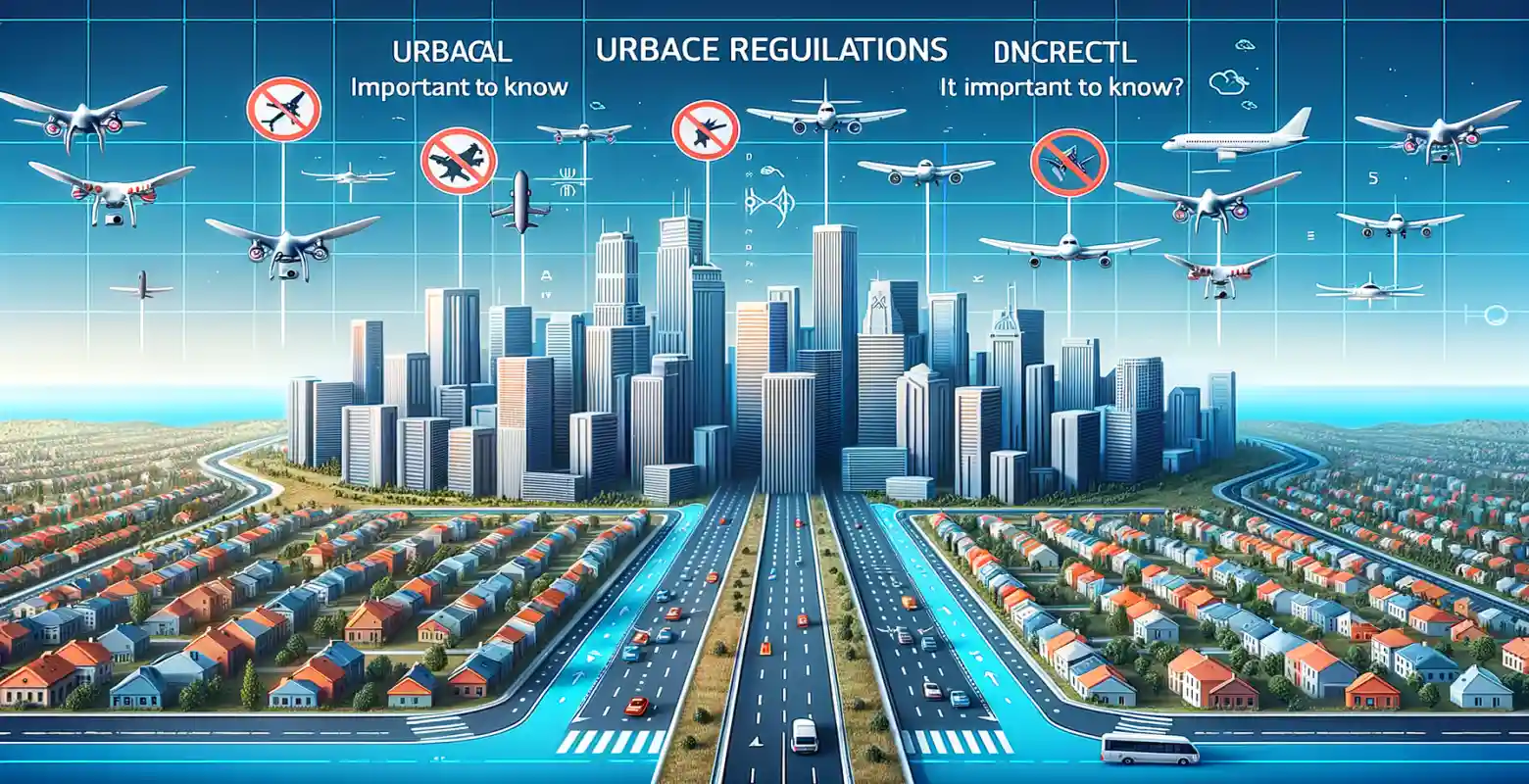
Regulations regarding flights over urbanized areas - what is worth knowing?
Introduction
The modern world is becoming increasingly globalized, with aviation transportation playing a crucial role. As air traffic intensifies, new challenges related to safety and legal regulations arise, especially in the context of flights over urbanized areas. Why is this topic so important? Primarily due to the safety of city residents and the protection of the natural environment. In this article, we will examine the regulations concerning flights over cities, their advantages and challenges, and the future trends that may impact this sector.
Basic Regulations Regarding Flights Over Urbanized Areas
Regulations concerning flights over urbanized areas are crucial for ensuring safety and public order. In Poland, as in most countries, civil aviation is subject to strict legal regulations that dictate how and where flights can take place. The primary legal act regulating this issue in Poland is the Aviation Law, with oversight of its enforcement falling under the Civil Aviation Authority (CAA).
One of the key aspects of the regulations is determining the minimum altitude for flights over cities. Depending on the type of aircraft and population density, the regulations may require flights to be conducted at a minimum altitude of 1000 feet (approx. 300 meters) above the highest obstacle within a radius of 600 meters. Of course, there are exceptions that apply to, for example, rescue flights or military operations.
Safety and Environmental Protection
Flights over urbanized areas entail certain risks that regulations aim to minimize. Primarily, this concerns the safety of city residents, which can be jeopardized in the event of a technical failure or irresponsible pilot behavior. Consequently, regulations impose obligations for regular technical inspections of aircraft and appropriate crew training.
In addition to safety, environmental protection is a significant aspect. Aviation is one of the sectors emitting substantial amounts of CO2, and flights over cities contribute to additional noise pollution. Therefore, regulations addressing noise emissions are being introduced, along with incentives for utilizing more eco-friendly technologies such as biofuels or electric propulsion.
Challenges Related to Compliance with Regulations
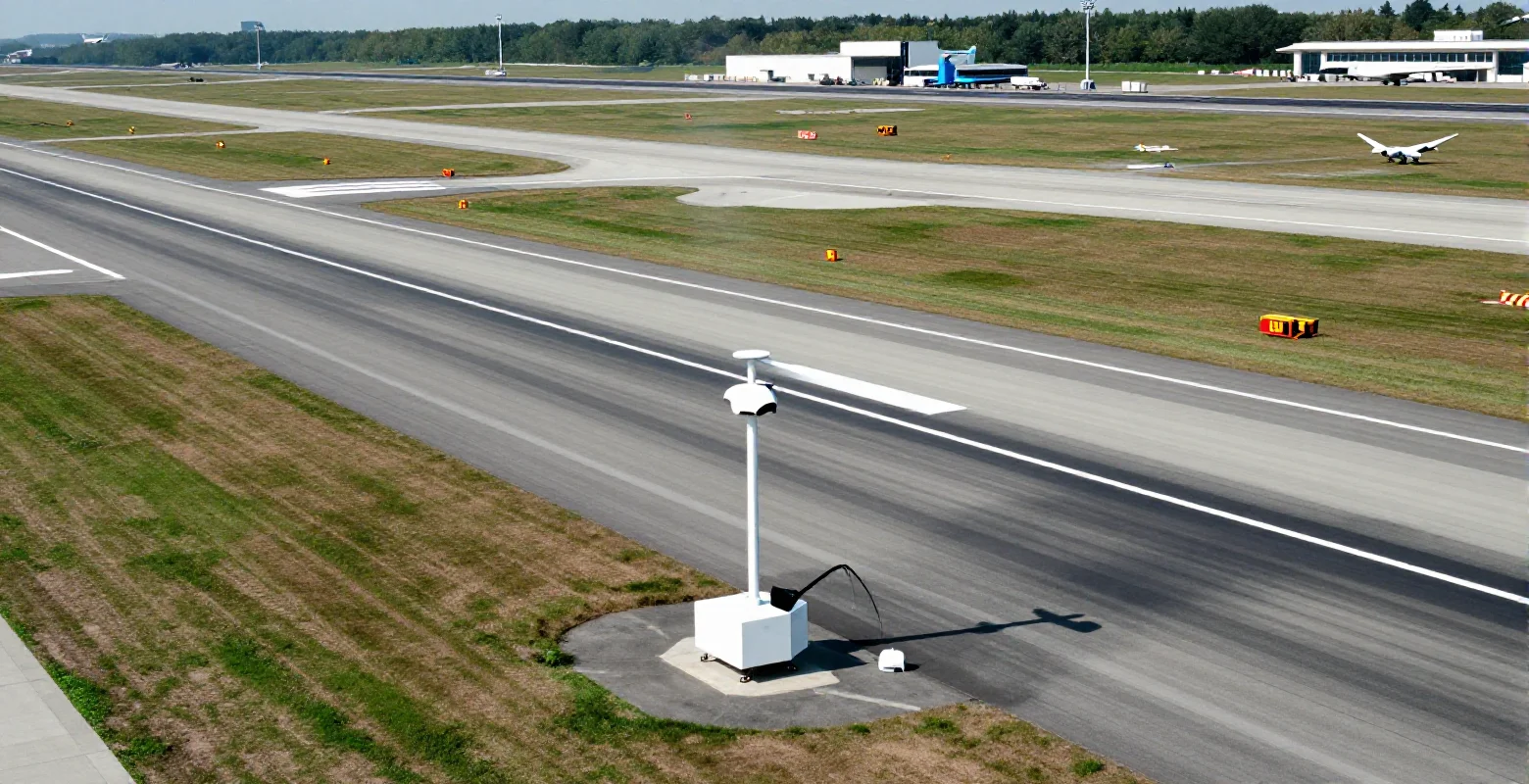
Compliance with regulations regarding flights over cities is not without challenges. One of the main issues is monitoring and enforcing the rules. In large urban areas with high flight volumes, tracking each flight and detecting potential violations is difficult. Advanced technologies such as radar and satellite systems are utilized for this purpose.
Another challenge is adapting regulations to the rapidly evolving technological landscape. The development of drones and other unmanned aerial vehicles presents new tasks for regulators. Drones often operate at lower altitudes and may pose a threat to traditional air traffic, hence necessitating special regulations governing their use in urban spaces.
Future Trends and Innovations
Urban aviation is a rapidly evolving field, and the future will bring numerous innovations impacting regulations. One of the most promising trends is the development of urban air mobility (UAM) - a concept of urban air transportation that includes electric vertical takeoff and landing (eVTOL) aircraft. These modern transport means can significantly alter how we perceive travel in cities.
The future of urban aviation will also require integration with smart city systems and the advancement of autonomous technologies to enhance the efficiency and safety of aviation operations. This will necessitate updating current regulations and introducing new safety and environmental protection standards.
Summary
Regulations regarding flights over urbanized areas play a crucial role in ensuring safety and environmental protection in cities. Faced with the dynamic development of aviation technologies such as drones and eVTOL, constant adaptation of regulations to new realities is necessary. In the future, the development of urban air transport may revolutionize how we move around cities, but this will require close cooperation between regulators, industry, and society. Therefore, it is worthwhile to monitor changes in regulations and actively participate in discussions about the future of urban aviation.


Number of comments: 0