

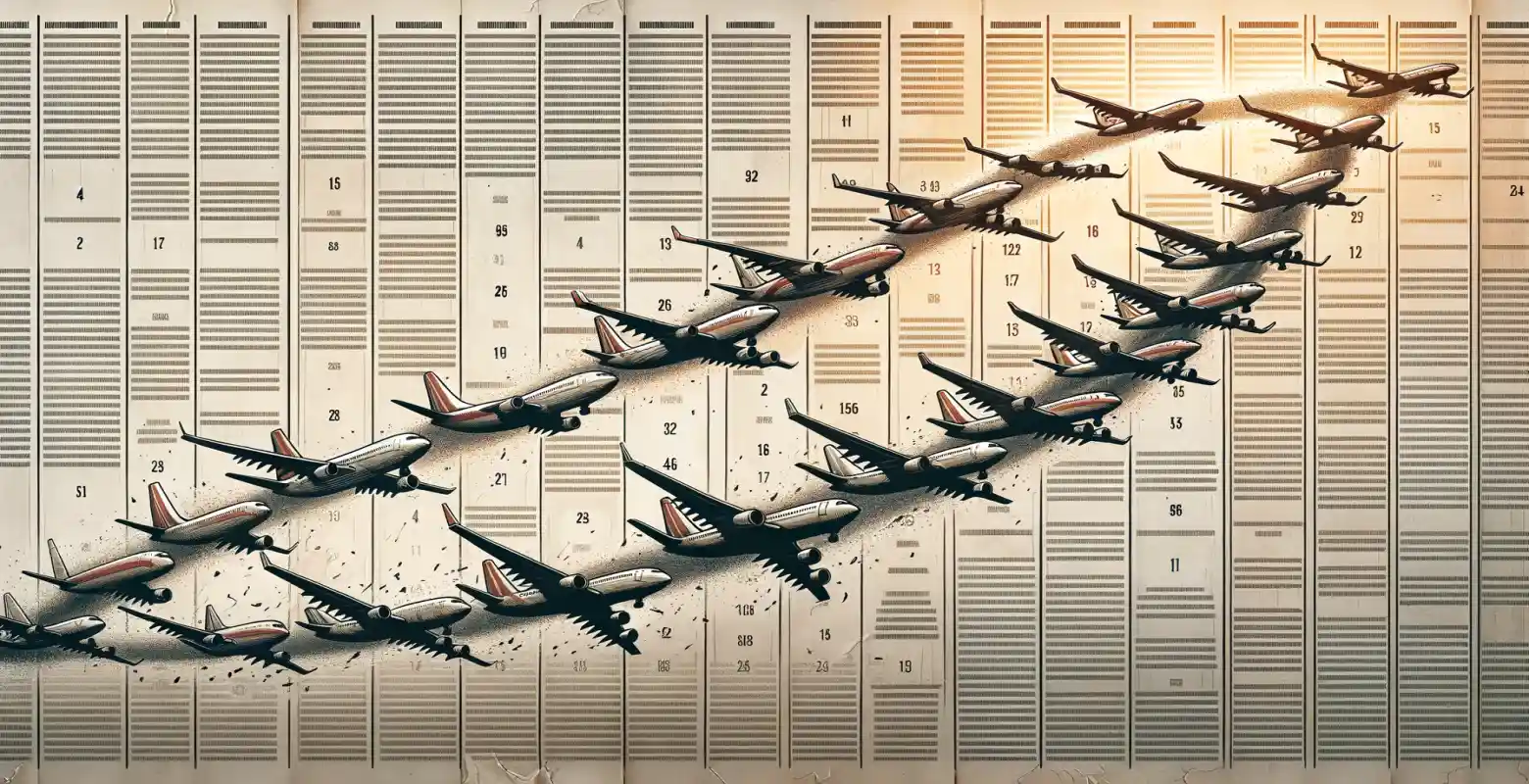
History of airplane disasters - what changes have they brought to regulations?
Introduction
Aviation disasters are events that capture the attention of the whole world. Each of them is not only a personal tragedy, but also an impetus for changes in regulations and technologies aimed at improving aviation safety. In this article, we will look at how the history of aviation disasters has influenced changes in regulations and safety standards. Understanding these events and their consequences is crucial not only for the aviation industry but also for passengers who want to feel safe during their travels. We invite you to learn about the history that has shaped modern aviation.
The Hindenburg Disaster and the Introduction of New Safety Standards
The Hindenburg disaster in 1937 was one of the first major shocks in aviation history. The burning of the airship in Lakehurst resulted in the deaths of 36 people and effectively ended the era of passenger airship travel. Following this tragedy, stricter regulations regarding the use of flammable gases in aviation were introduced. Helium replaced hydrogen as the lifting gas in airships, significantly reducing the risk of fire.
United Airlines Flight 232 Disaster and the Importance of Crew Training
In 1989, United Airlines Flight 232 crashed during an emergency landing in Sioux City. Thanks to the skills and teamwork of the crew, 185 out of 296 people on board were saved. This disaster underscored the importance of advanced crew training in emergency aviation procedures. The introduction of flight simulators and regular training in cabin management contributed to increased safety levels in aviation.
Air France Flight 447 Disaster and the Development of Ice Detection Technology
The loss of Air France Flight 447 over the Atlantic in 2009 drew attention to the issue of sensor icing. As a result of this disaster, new standards for the design and testing of speed sensors were introduced, along with mandatory training for pilots on how to respond in case of sensor failure. Ice detection technology was improved to prevent similar tragedies in the future.
Malaysia Airlines Flight MH370 Disaster and the Development of Aircraft Tracking Systems
One of the most mysterious events in aviation history is the disappearance of flight MH370 in 2014. This event prompted a reconsideration and improvement of aircraft tracking systems. In response to this disaster, new regulations were introduced mandating the installation of advanced tracking systems that enable real-time monitoring of aircraft, even over oceans and in remote areas.
Boeing 737 MAX Flight Disaster and Certification Regulation Reform
In 2018 and 2019, two disasters involving Boeing 737 MAX aircraft brought attention to problematic automation systems in airplanes. As a result, the entire 737 MAX fleet was grounded, and the process of certifying new aircraft underwent a thorough reform. More rigorous testing procedures were introduced, and the transparency of the certification process was increased to ensure the highest level of safety before introducing new aircraft for commercial use.
Conclusions and the Future of Aviation Regulations
Aviation disasters, however tragic, have been a catalyst for many significant changes in regulations and safety standards. By analyzing these events and drawing conclusions, it was possible to introduce technological innovations and procedures that have greatly improved the safety of air travel. In the future, it will be crucial to continue investing in the development of technology and personnel training to ensure the highest safety standards. In the face of a growing number of passengers and increasingly complex aviation technologies, these changes will be crucial for protecting human life and maintaining trust in the aviation industry.
Summary
The history of aviation disasters shows us how important it is to continuously adapt to new challenges and threats. Each tragedy brings valuable lessons that can be used to improve aviation safety worldwide. Therefore, it is essential to constantly analyze and optimize regulations and technologies that can prevent future disasters. Only in this way can we ensure safe and reliable air travel for all passengers.
Kamila
2024-10-20, 07:46Kiedyś oglądałam katastrofy w przestworzach na National Geographic. Aż ciarki przechodzą ile katastrof musiało się wydarzyć aby lotnictwo było tak bezpieczne jak dzisiaj…