

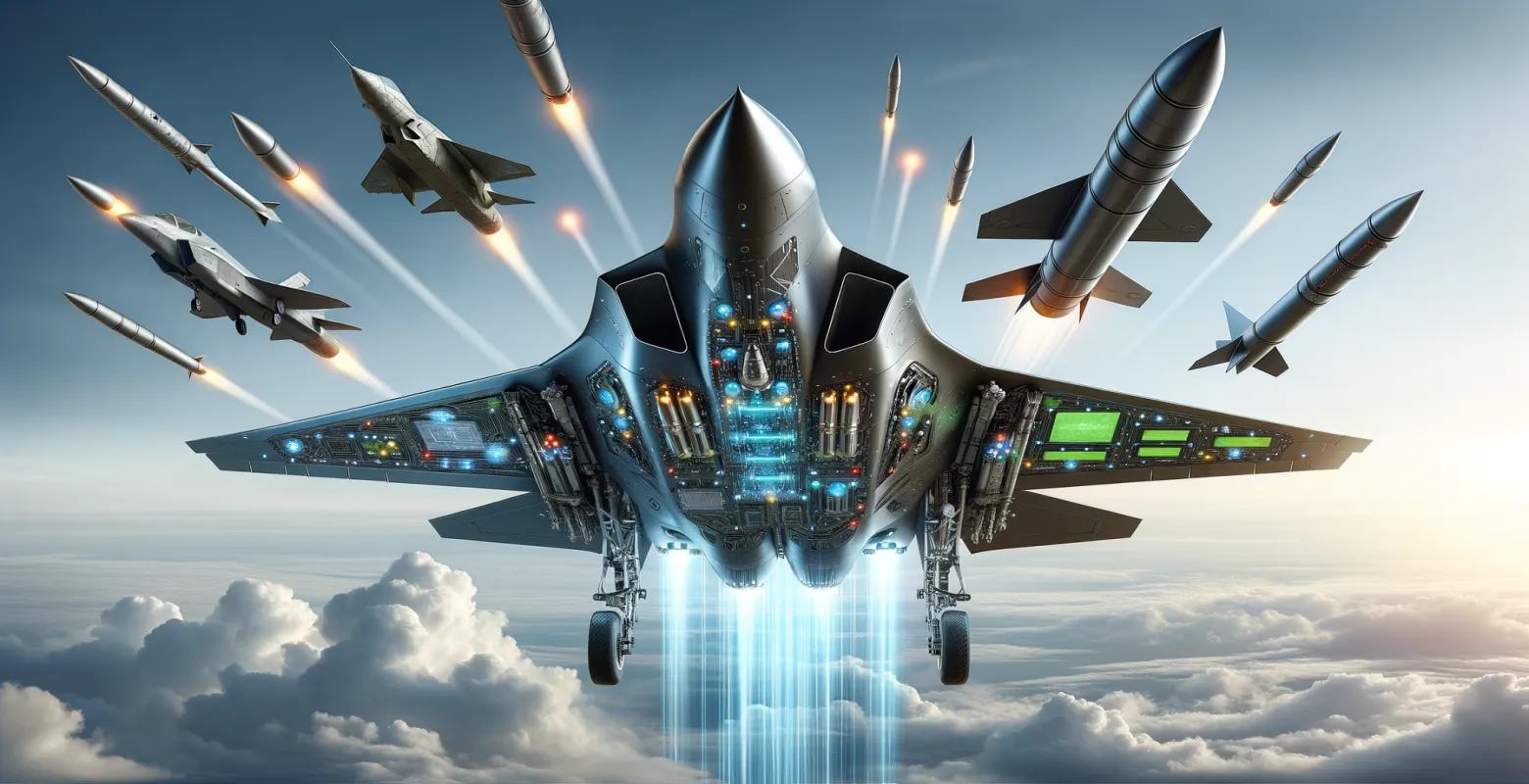
What innovations does military aviation introduce in terms of missile defense?
Introduction
Military aviation plays a crucial role in national and international defense. Faced with increasingly advanced missile threats, innovations in missile defense technologies are becoming essential. In this article, we will examine the latest techniques and technologies used by armed forces worldwide to effectively counter missile threats. This topic is not only fascinating from a technological standpoint but also extremely significant for global security.
History of Missile Defense in Military Aviation
The history of missile defense in military aviation dates back to the Cold War era, when the development of missile technology accelerated. The initial missile defense systems were relatively primitive, relying mainly on maneuvering and signal jamming. Over time, with technological advancements, more advanced methods such as Electronic Countermeasures (ECM) and stealth technologies were developed.
Modern Missile Countermeasure Systems
Modern military aviation utilizes a range of advanced missile defense systems. Among them are:
1. Signal Jamming Systems: Modern ECM systems employ advanced techniques to jam radar and optical signals, making it difficult to guide missiles towards their target. These systems can create "false" targets that deceive the enemy.
2. Active Protection Systems: One example is the Directed Infrared Counter Measures (DIRCM) system, which emits a laser beam to disrupt the infrared sensors of the missile, causing it to be disoriented and change its flight path.
Stealth Technologies and Their Significance
Stealth technologies play a key role in missile defense. Through special materials and shapes, stealth aircraft can evade detection by enemy radars. These technologies, although costly, significantly increase the survival chances of aircraft in areas threatened by missile attacks.
Early Warning Systems and Their Role
Equally important as direct defense technologies are early warning systems. Radar and satellite warning systems allow for the rapid detection of missile launches and their trajectories, giving the crew time to react and implement appropriate defense measures.
Challenges and Limitations of Modern Defense Systems
Despite technological progress, there are certain challenges and limitations associated with missile defense. Primarily, the development of missile technologies, such as hypersonic maneuvering missiles, poses new challenges for defense systems. This requires continuous improvement and adaptation of existing solutions.
The Future of Missile Defense in Military Aviation
The future of missile defense in military aviation seems promising, thanks to the development of new technologies such as artificial intelligence and machine learning. These technologies can be used to enhance the effectiveness of early warning systems and to develop more advanced missile countermeasure systems.
Summary
Innovations in military aviation in the field of missile defense are crucial for ensuring security and gaining an advantage on the battlefield. Despite many challenges, the continuous development of defense technologies offers hope for effective protection against increasingly advanced missile threats. This topic remains significant for defense specialists as well as the broader audience interested in global security.

Number of comments: 0