

From dreams to reality: Key moments in the history of aviation
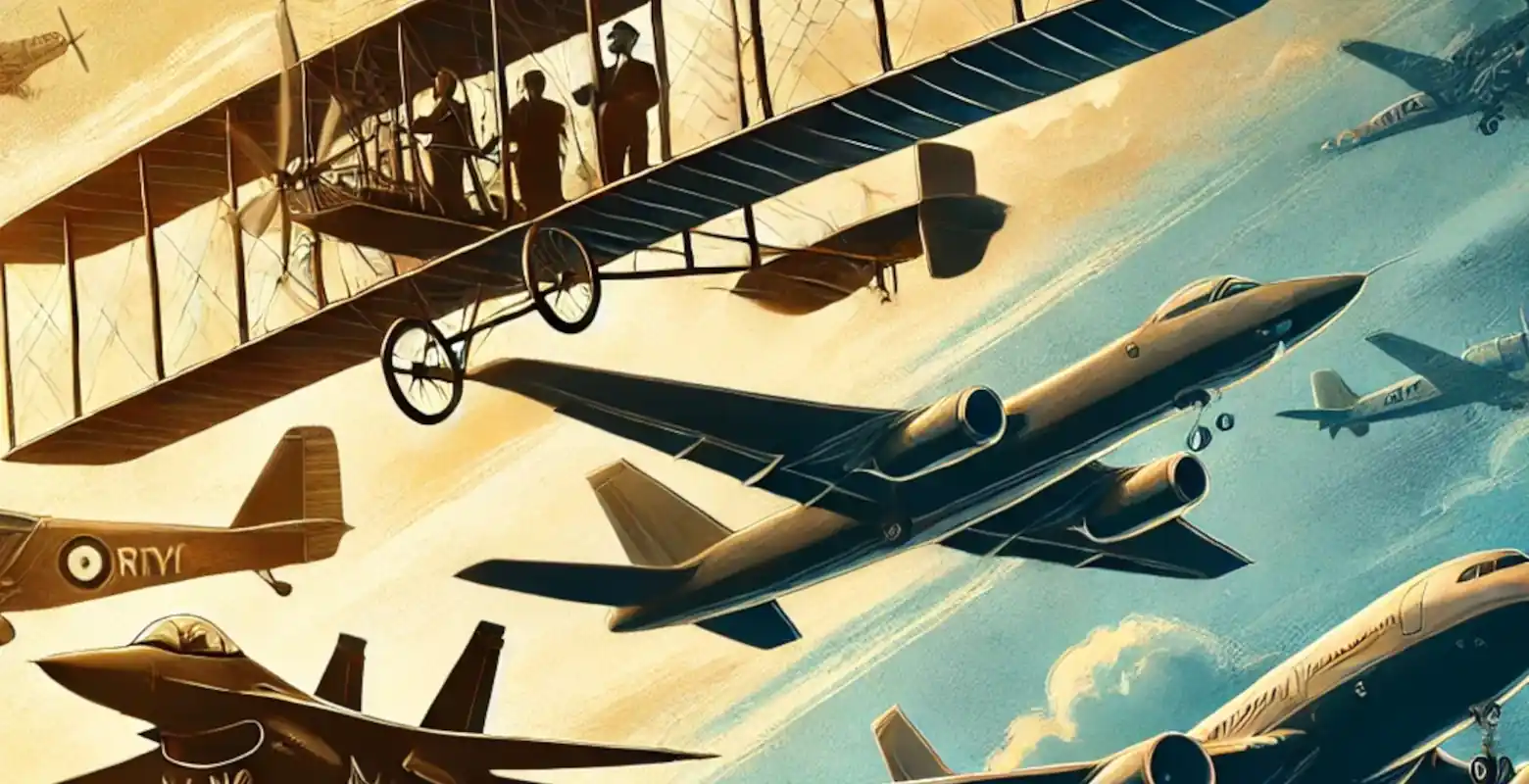
The history of aviation is an incredibly fascinating journey through centuries of technological and engineering development that began many centuries ago. One of the most important moments in this history was the flight of the Wright brothers, which marked the beginning of the era of modern aviation. However, before Wilbur and Orville Wright took to the air, people made numerous attempts to understand and imitate the flight of birds, dreaming of conquering the sky.
As early as ancient times, the first ideas of flying emerged. The ancient Greeks created the myth of Icarus and Daedalus, who built wings of feathers and wax to escape from Crete. Although this is only a myth, it illustrates human fascination with flight that has lasted for centuries. In the Middle Ages, the inventor Leonardo da Vinci created a series of sketches of flying machines, such as the "ornithopter," inspired by observations of birds. Although none of his machines took flight, his work was a significant step towards understanding aerodynamics.
A true breakthrough in aviation occurred in the early 19th century with the advent of hot air balloons. In 1783, the Montgolfier brothers ascended over Paris in their balloon, marking one of the first successful manned flights. However, this was just the beginning. Flying machines powered by engines were another stage that revolutionized transportation and travel.
The most significant moment in aviation history was the Wright brothers' first controlled, powered flight on December 17, 1903. Their aircraft, named the Flyer, made a 12-second flight covering a distance of 36.5 meters. Although this first flight was short, it was a milestone in the development of aviation technology. The Wright brothers spent years refining their project, allowing them to realize their dream of aviation.
In the following decades, aviation developed at a rapid pace. World War I accelerated technological progress in the field, as airplanes began to be used for military purposes. The 1930s brought further development of civil aviation, and in 1939, the first jet aircraft, the Heinkel He 178, took to the skies, marking the beginning of the jet age in aviation.
Today, aviation has become an integral part of global infrastructure. From commercial flights to advanced space flight technologies, the history of aviation shows how human dreams of flying have been realized and transformed into a reality that continues to evolve.



Number of comments: 0