

The future of autonomous drones in logistics
Introduction
Autonomous drones are becoming increasingly common in various sectors of the economy, including logistics. Their role in the supply chain is growing, and predictions about the future point to an even greater impact that these innovative technologies will have. Why are autonomous drones so important in logistics? The answer is simple: they can revolutionize the way goods are transported, reducing costs, increasing efficiency, and speeding up delivery. In this article, we will analyze how autonomous drones can impact the future of logistics, the challenges they face in implementation, and the benefits they can bring.
History and Development of Drone Technology
Beginnings of drones: Initially, drones were mainly used for military purposes. Their development began in the mid-20th century when technology allowed for remote control of unmanned aircraft. Over time, their use expanded to other sectors, including logistics.
Introduction to logistics: In recent years, drones have started to be used for delivering goods, especially in hard-to-reach places or situations where delivery time is crucial. Thanks to advancements in technology, drones can now cover greater distances, carry heavier loads, and operate more autonomously.
Advantages of Autonomous Drones in Logistics
Efficiency and time savings: Drones can significantly speed up the delivery process, especially over short distances and in urban areas. They can avoid traffic jams and quickly reach their destination, which is a major advantage compared to traditional transportation methods.
Cost savings: In the long run, drones can reduce operational costs by eliminating the need for hiring drivers and reducing fuel consumption. Their maintenance and operation may be cheaper than traditional transportation methods.
Accessibility and flexibility: Drones can reach hard-to-access places, such as mountainous areas or islands. Moreover, they can be used to deliver goods in emergency situations, such as natural disasters, when other means of transportation are unavailable.
Challenges Related to Implementing Drones in Logistics
Legal regulations: One of the biggest challenges is the lack of clear legal regulations regarding the commercial use of drones. Many countries are still developing safety and privacy regulations to govern their use.
Safety issues: There are many concerns related to the safety of drone flights, especially in urban areas. Collisions, technical failures, and risks to people and property are just some of the problems that need to be addressed.
Technology and range: Although drone technology is advancing rapidly, there are still limitations on flight range and payload capacity. Many drones can only carry small loads over relatively short distances, limiting their applications.
Future Trends in the Use of Drones in Logistics
Integration with other technologies: In the future, drones will be increasingly integrated with other technologies, such as artificial intelligence and the Internet of Things (IoT). This will allow for even greater automation and optimization of logistical processes.
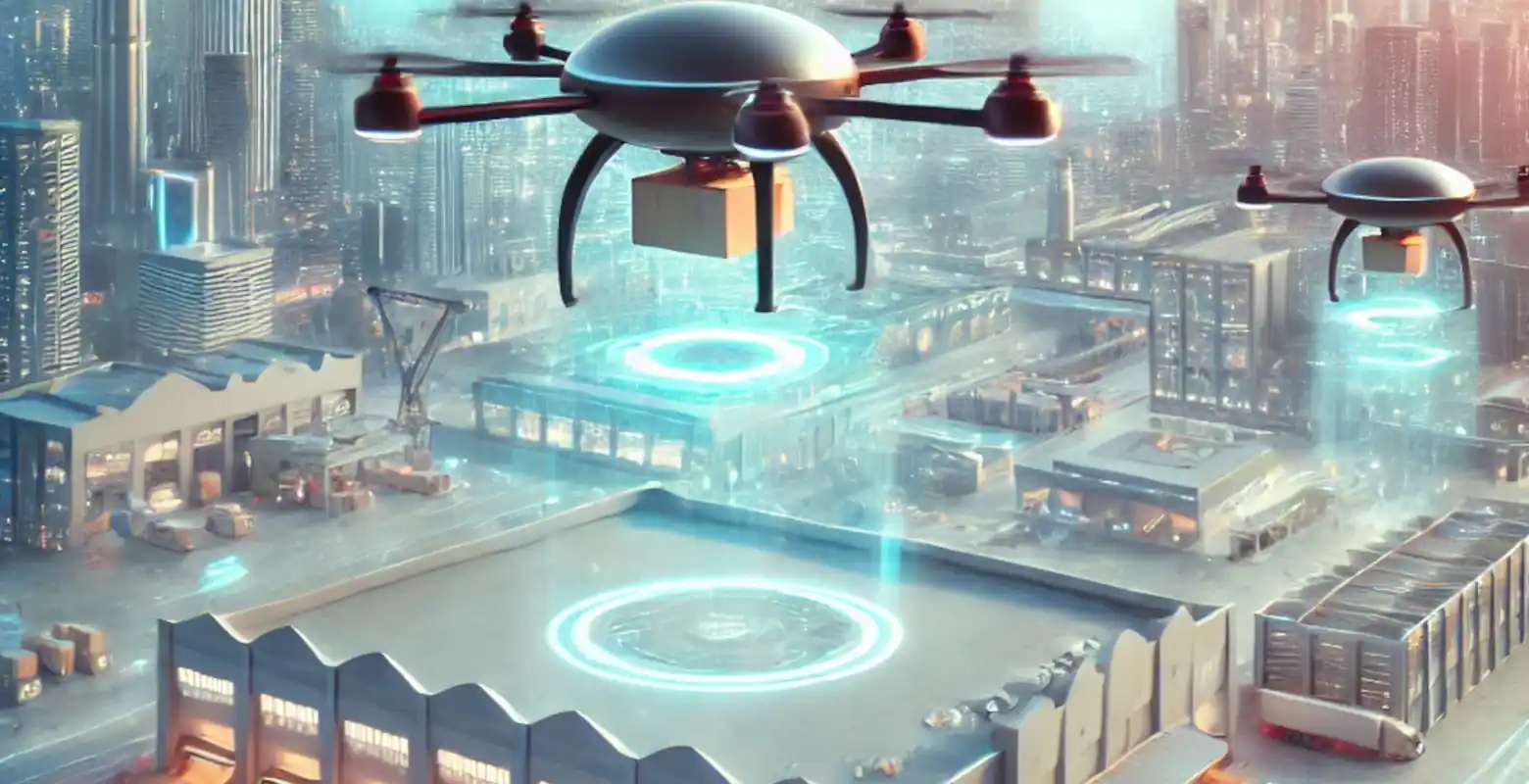
Infrastructure development: Building specialized landing pads and service centers for drones can significantly increase their efficiency and range. Some cities are already implementing such projects.
Increased range and payload capacity: Research on new batteries and lightweight materials may allow for increased range and payload capacity of drones in the future, opening up new possibilities for their use.
Summary
Autonomous drones have the potential to change the face of logistics, offering faster, cheaper, and more efficient solutions. However, their full implementation requires overcoming many challenges, including regulatory and technological ones. The future of drones in logistics looks promising, and technological progress and infrastructure development can further increase their significance. As these technologies continue to evolve, it's worth staying up to date with innovations and preparing for the changes they may bring.


Number of comments: 0