

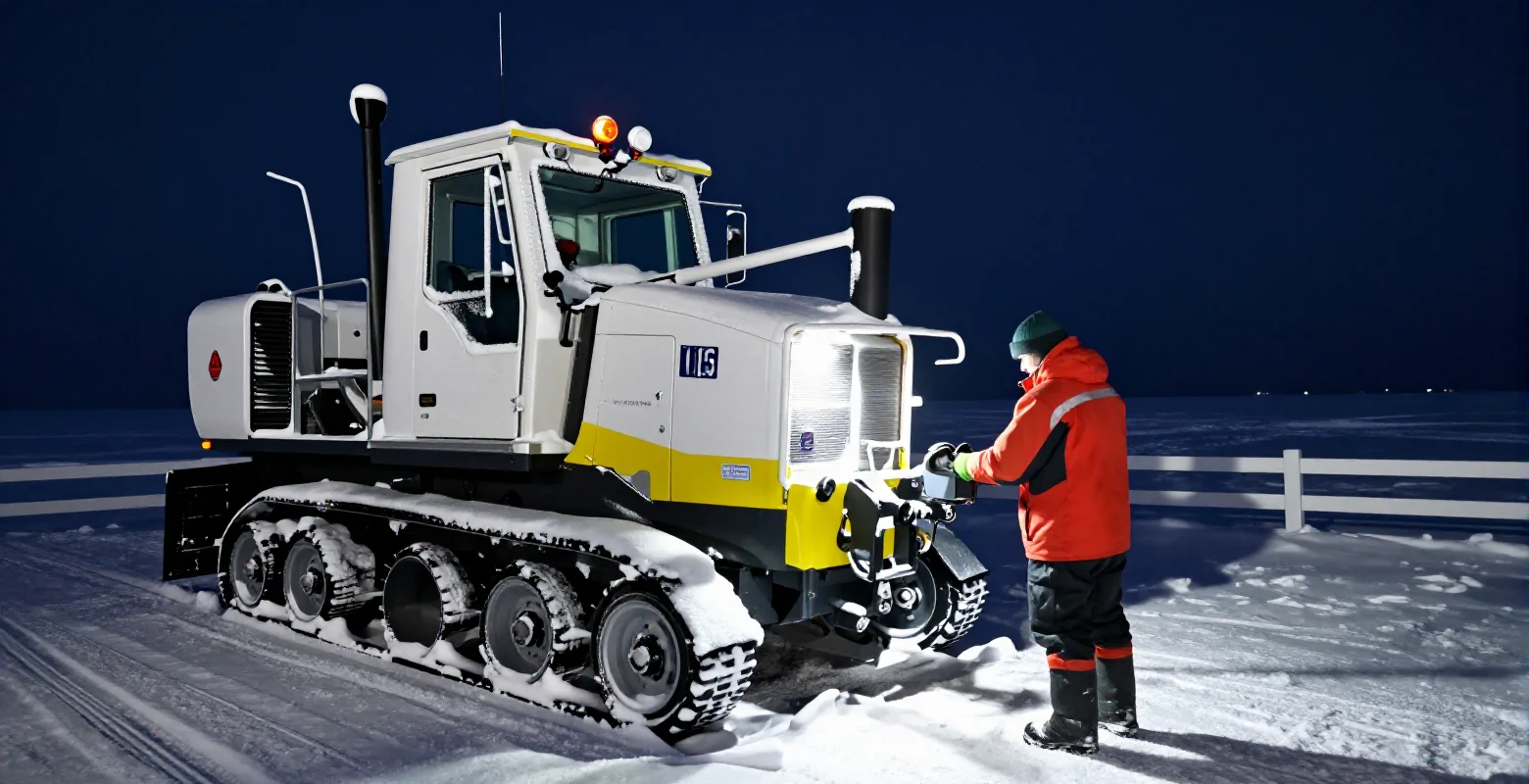
The Impact of the Polar Night and Extreme Frost on the Maintenance of Aircraft in the Far North
Introduction
The Far North, with its harsh climate and extreme conditions, presents a unique challenge for the maintenance of aircraft. The polar night, lasting for months in some regions of the Arctic and Antarctica, and temperatures dropping below -50°C, force engineers to employ advanced technologies and procedures.
The history of aviation in these areas dates back to the early 20th century, when pioneers like Roald Amundsen and Richard Byrd traversed uncharted territories. However, it was only with the development of technology that machines capable of operating in such extreme conditions were created.
Technical Challenges of Maintaining Machines at Low Temperatures
Extreme frost affects every aspect of aircraft operation. Turbine engines, lubricants, and hydraulic fluids must retain their properties at temperatures that are destructive for most materials.
Engineers use special low-viscosity oils and fluids that can operate in such conditions. An example is the use of synthetic lubricants based on polyalphaolefins (PAO), which maintain fluidity even at -60°C.
The Impact of the Polar Night on Logistics and Procedures
The polar night, lasting from 60 days around the Arctic Circle to as much as 137 days at the poles, significantly complicates ground operations. The lack of natural sunlight necessitates the use of artificial lighting, which increases costs and complicates planning.
Additionally, low temperatures lead to faster discharge of batteries for tools and diagnostic systems. Engineers must utilize heated containers or portable heat generators to maintain suitable working conditions.
Analysis of the Impact on the Aviation Industry
- Advantages: The development of frost-resistant technology translates into advancements in other fields, such as energy and automotive.
- Disadvantages: High costs of specialized equipment and limited availability of qualified personnel.
- Key Technologies: De-icing systems based on hot liquids, heated wing surfaces, and modern composite materials.
- Usage Examples: P-3 Orion aircraft used by the US Navy for operations in the Arctic, equipped with specialized anti-icing systems.
Prospects and Challenges
The future of maintenance in the Far North depends on advancements in materials science and automation. The development of service drones capable of working in extreme conditions could revolutionize this sector.
However, the barrier remains the cost of such solutions and the need to adapt airport infrastructure. This requires international cooperation and investment in research.
Conclusions
Maintaining machines in the Far North is an example of how extreme conditions can catalyze innovation. Although the challenges are immense, progress in this field benefits the entire aviation industry.
The question remains how quickly these solutions can be implemented on a broader scale and whether climate change will affect the accessibility of these regions in the future.


Number of comments: 0