

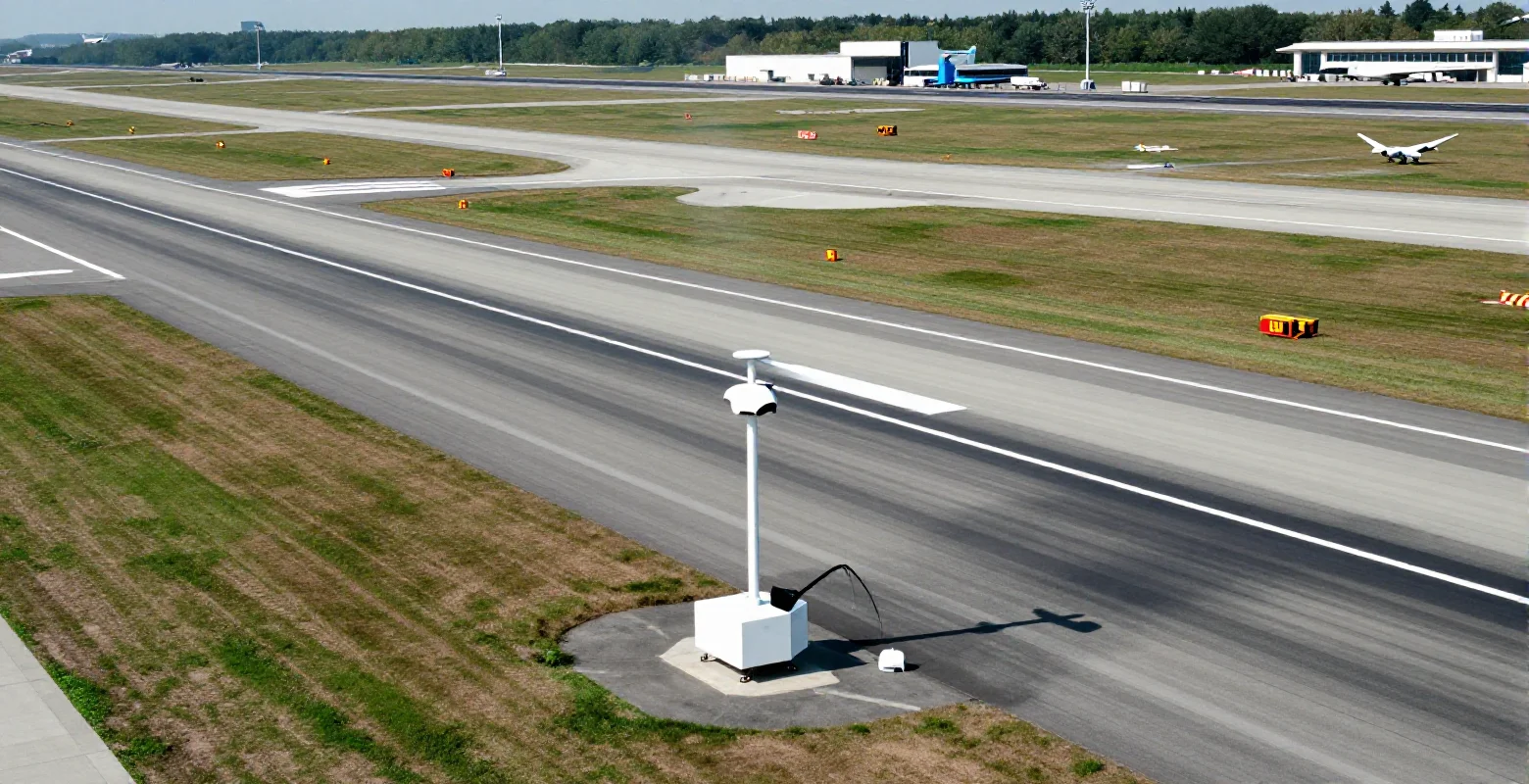
How Airlines Deal with Birds: Dispersal and Disaster Prevention Systems at Airports
Introduction
Collisions between aircraft and birds are one of the greatest, yet often underestimated, threats to aviation safety. According to data from the Federal Aviation Administration (FAA), in 2019 alone, there were over 43,000 bird strike incidents at U.S. airports. While they rarely lead to disasters, they can cause engine, windshield, or landing gear damage, resulting in enormous operational costs and delays.
The history of aviation includes cases of tragic collisions—such as the Lufthansa Flight 2904 disaster in 1985, where both engines of the aircraft lost power after a bird strike. Today, airlines and airports invest millions of dollars in advanced dispersal systems to prevent such situations.
Bird Dispersal Systems: Technologies on the Front Line of Defense
Modern airports utilize multi-layered bird dispersal strategies, combining acoustic, visual, and biological methods.
1. Acoustic Systems
Devices emit recorded sounds of predators (e.g., falcons) or ultrasonic noises unbearable for birds but harmless to humans and pets. Example: the Bird Away system used at Los Angeles Airport.
2. Visual Systems
Moving laser lights (e.g., Lights Out) or holograms of large predatory birds that confuse flocks and compel them to leave the area.
3. Biological Methods
Hiring falconers (as in Dubai) or introducing natural predators, such as foxes, in green areas.
Effectiveness Analysis and Challenges
- Advantages: High effectiveness in the short term, and the ability to specifically target certain bird species.
- Disadvantages: Installation and maintenance costs of high-tech systems, limited duration of effect (birds get accustomed to stimuli).
- Key Technologies: AI analyzing footage from thermal cameras to detect birds in real-time (the Seaborg project at Seattle Airport).
- Market Examples: Heathrow combines drones with speakers and dogs trained to scare away birds.
Prospects and Challenges
The future is the integration of artificial intelligence with dispersal systems. Projects like the Bird Strike Predictor (developed by NASA) use meteorological and migratory data to predict collision risks. However, funding for these solutions remains a challenge—according to IATA, the annual cost of managing the ‘bird problem’ for global airlines reaches $2 billion.
Legal regulations are also evolving. The European Union is working on a directive requiring airports to conduct audits of risk 'bird maps,' which will increase pressure for investment in prevention.
Conclusions
While bird dispersal technologies are becoming more advanced, their effectiveness depends on consistent application and adaptation to local ecosystems. The key is a holistic approach: from monitoring bird populations to cooperating with conservation organizations. In an era of increasing air traffic, investments in these systems are not only a matter of safety but also an economic advantage for airlines and airports.


Number of comments: 0