

The Logistics of In-Flight Catering: How Are Thousands of Meals Created and Delivered Daily?
Introduction
Every day, millions of meals are served on board airline flights around the world. This seemingly simple service hides a complicated logistical system that requires precision, innovation, and excellent coordination. In this article, we will take a look at how in-flight meals are created, how they are transported and stored, and what challenges the catering industry faces in light of increasing passenger expectations.
The history of in-flight catering dates back to the beginnings of commercial aviation when meals were a simple addition to the journey. Today, in the era of globalization and cultural diversity, airlines must offer not only tasty but also safe and balanced meals that meet the expectations of passengers from various corners of the world.
Meal Production and Preparation Process
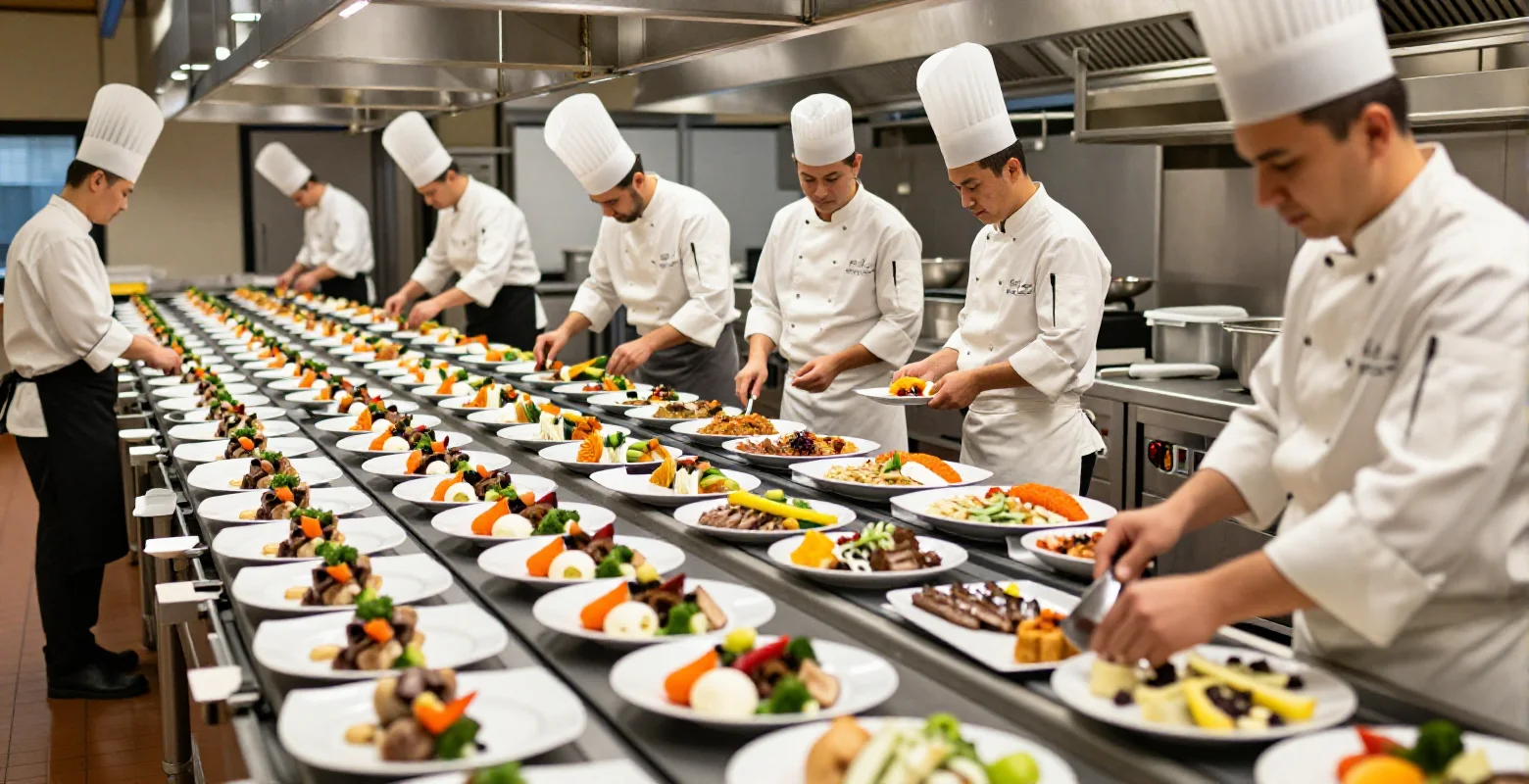
The production of in-flight meals begins in specialized catering kitchens that must meet strict sanitary and quality standards. Many airlines collaborate with external suppliers who prepare meals according to their specifications. Key stages of this process include:
- Menu planning: Airlines develop menus that take into account dietary diversity (vegetarian, vegan, gluten-free) and cultural preferences of passengers.
- Purchasing raw materials: Catering suppliers source fresh ingredients from trusted suppliers, often local, to minimize the carbon footprint.
- Preparation and packaging: Meals are prepared in sterile conditions and then packaged in containers that can withstand changes in pressure and temperature.
- Quality control: Each meal undergoes rigorous checks to ensure the safety and freshness of the products.
Logistics of Delivery and Storage
Delivering meals to the aircraft is another logistical challenge. It requires coordinated work among many parties, including:
- Ground transport: Meals are transported using specialized refrigerated vehicles to cargo terminals or directly to airports.
- Storage: Airports have dedicated warehouses that maintain the appropriate storage temperature (both cool and frozen).
- Loading on board: Meals are delivered to the aircraft according to flight schedules, often at night, to avoid operational disruptions.
A key element is also supply chain management (SCM), which minimizes losses and waste. Airlines use advanced demand forecasting systems to avoid overproduction or shortages.
Challenges and Innovations in the Industry
The airline catering industry faces many challenges, such as:
- Sustainability: Growing environmental awareness demands waste reduction and CO₂ emission cuts.
- Food safety: The necessity to adhere to strict sanitary standards, especially after the COVID-19 pandemic.
- Personalization: Passengers expect increasingly personalized meals, which increases production complexity.
Technological innovations, such as 3D food printing or smart cooling systems, could revolutionize this sector in the future. However, their implementation requires time and investment.
Development Perspectives
The future of in-flight catering will be shaped by:
- Legal regulations: The European Union and other bodies are introducing new regulations regarding sustainability and food safety.
- Consumer trends: The increasing popularity of plant-based diets and healthy eating will influence meal offerings.
- Digitalization: Mobile applications allowing meal selection before the flight will become the standard.
Conclusions
The logistics of in-flight catering is a complex system that combines tradition with modernity. Despite the challenges, this industry continues to evolve, adapting to the changing needs of passengers. The key to success remains innovation, efficiency, and attention to quality—both in taste and environmental impact.


Number of comments: 0