

How AI Technologies Are Revolutionizing Safety in Aviation from Data Analysis to Autonomous Systems
Introduction
Aviation, as one of the most dynamic and regulated sectors, has been safeguarding passenger safety for years. Over the past decade, artificial intelligence (AI) technologies have begun to play a key role in raising safety standards, reducing the risk of human error, and optimizing operational processes. In this article, we will examine how AI is transforming the aviation industry - from analyzing black box data to developing autonomous navigation systems.
According to a 2023 report by IATA (International Air Transport Association), the number of aviation accidents has decreased by 50% over the last 20 years, partly due to advanced monitoring and prediction systems. AI is becoming not only a tool supporting pilots but also a standalone 'guardian' of safety in the cockpit.
AI as a Data Guardian - Predictive Analysis and Technical Condition Monitoring
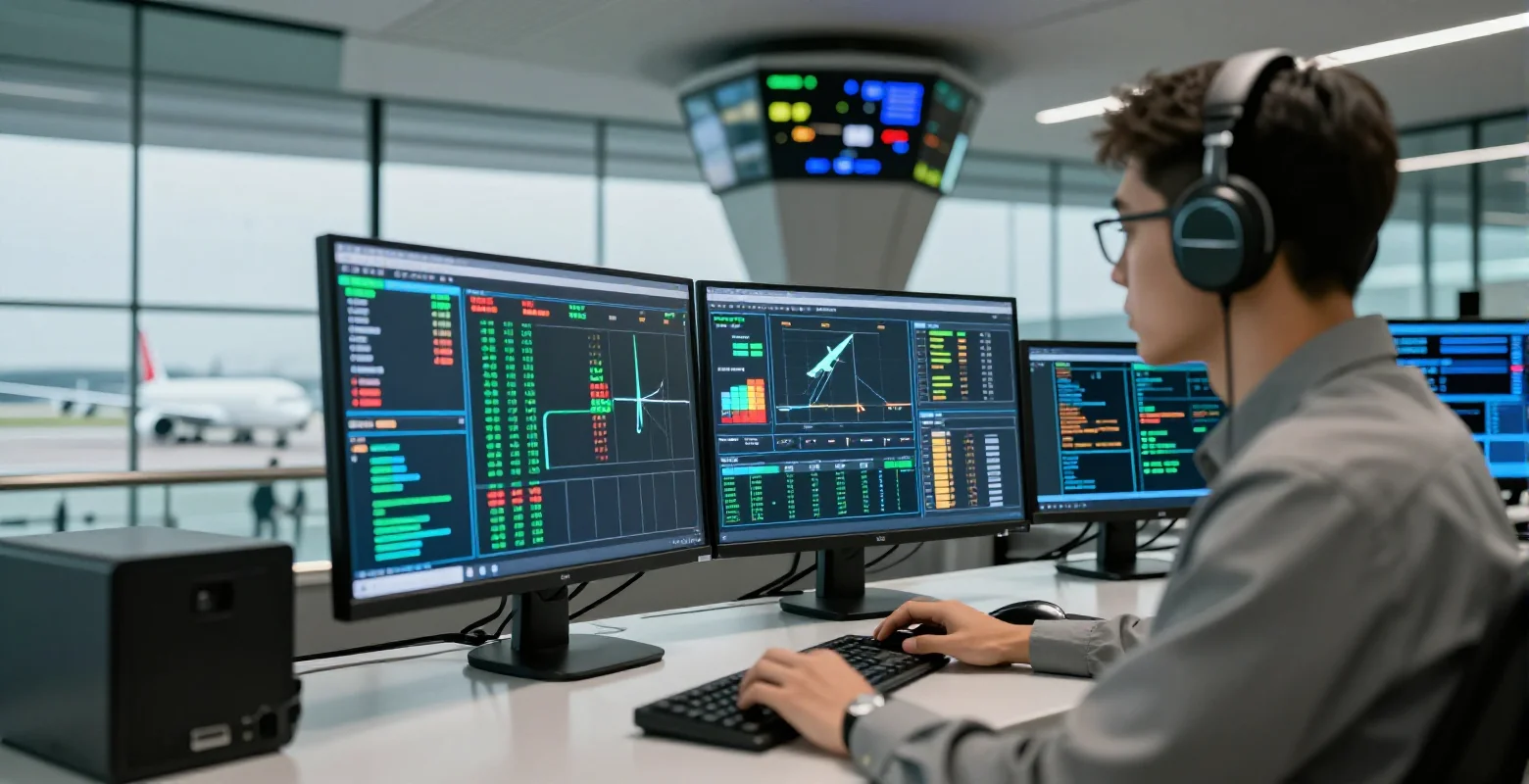
One of the most important applications of AI in aviation is the analysis of operational data and machinery diagnostics. Machine learning-based systems process vast amounts of information from onboard sensors, flight data recorders (FDR), and avionics systems in real-time. An example is Predictive Maintenance (PdM) technology, which predicts potential engine or landing gear failures before malfunctions occur.
GE Aviation uses AI to monitor 30,000 jet engines worldwide. As a result, the number of unscheduled inspections has been reduced by 25%, while increasing fleet availability by 10%. Algorithms identify subtle anomalies in vibrations or temperatures that could escape human attention.
Autonomous Navigation Systems and Decision Support
AI is also revolutionizing decision-making processes during flight. Flight Assistance Systems (FAS) utilize deep learning to analyze weather conditions, air traffic, and radar data. An example is the "Airbus AI Copilot" software, which optimizes flight trajectories in real-time, reducing fuel consumption by up to 12% and minimizing the risk of collisions.
In the next decade, autonomous systems may take over some pilot tasks in routine operations, such as during takeoff or landing at challenging airports. Even today, passenger drones like the EHang 216 are using AI for navigation in urban spaces, avoiding collisions with buildings or other objects.
Impact on the Industry - Benefits and Challenges
- Advantages: Reduction of human errors by 30-40%, shortening data analysis time from hours to seconds, optimization of flight routes reducing CO2 emissions by 5%.
- Disadvantages: High implementation costs (estimated at $10-15 million for a single airline), the need for AI systems certification by agencies such as the FAA or EASA, the risk of a 'black box' (lack of transparency in algorithms).
- Key Technologies: Machine learning for sensor data analysis, neural networks in vision systems (e.g. obstacle recognition), blockchain for tracking aircraft service history.
- Market Examples: LOT Polish Airlines is testing AI for analyzing crew fatigue, and Boeing is integrating predictive systems in the 787 Dreamliner model.
Outlook and Challenges
The future of AI in aviation depends on overcoming regulatory and technological barriers. Aviation agencies worldwide are working on legal frameworks for 'Trusted AI,' which must meet rigorous reliability standards. At the same time, the development of quantum computing systems could accelerate real-time data analysis, paving the way for full autonomy of aircraft.
Cybersecurity remains a challenge - AI systems must be resilient to hacking attacks that could disrupt aircraft control. According to a report by NIAS (National Institute of Aviation Safety), in 2024, there were 15% more attempts to breach onboard systems than the previous year.
Conclusions
AI technologies will not replace human pilots but will become their reliable partners, eliminating margin for error and raising the safety bar. The key to success lies in the synergy between advanced algorithms and crew experience - only then can aviation continue its safe growth in the digital era.


Number of comments: 0