

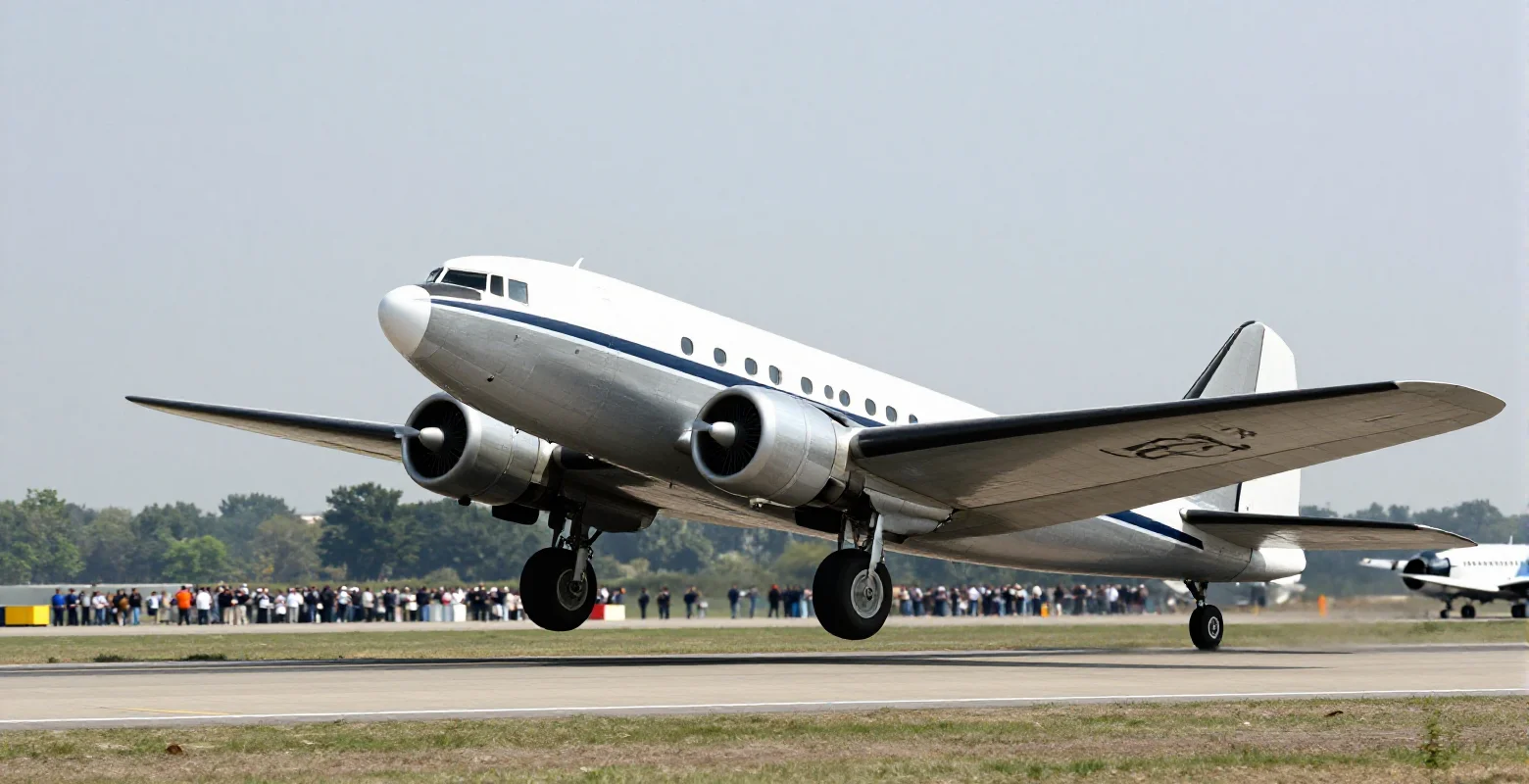
History of the first commercial airline routes: From pioneers to global giants
Introduction
Air travel, as one of the most dynamic branches of transportation, has undergone a huge evolution from the first pioneering flights by the Wright brothers in 1903 to today's giants such as Airbus A380. However, a key moment in the development of this field was the establishment of the first commercial airline routes, which revolutionized international travel.
The first regular air connections were launched in the 20th century, when small aircraft carried passengers and mail over short distances. These primitive lines formed the foundation of today's global transportation networks.
The beginnings of commercializing aviation
In 1927, the world's first regular airline route was established - Aeroperú in Peru, serving the Lima-Calleo route. However, a true turning point occurred in Europe and the United States.
In 1930, German airline Deutsche Luft Hansa launched the first international connection from Berlin to Athens, using Junkers F 13 aircraft. The following year, British Imperial Airways began transatlantic flights to New York.
A key factor in the success of these airlines was the combination of technological innovations (e.g., introduction of metal aircraft construction) with modern management and marketing methods.
Development of networks in the 30s and 40s
The 1930s were a period of rapid expansion of airline routes, especially in the USA. In 1933, American Airlines was founded, and in 1934 - United Air Lines and TWA. These airlines gradually created extensive domestic networks.
World War II slowed down civil aviation development but at the same time accelerated technological progress. Bombers became the basis for developing the first post-war passenger aircraft.
In 1945, British airline BOAC (predecessor of British Airways) resumed transatlantic flights using modified Avro Lancaster bombers.
The jet revolution and globalization in the 50s-70s
- In 1952, British Overseas Airways Corporation (BOAC) launched the first regular route served by a jet aircraft - de Havilland Comet 4 on the London-Rome route.
- The introduction of jets shortened transatlantic flight time from about 12 hours to 7, significantly increasing the attractiveness of air travel.
- In the 60s and 70s, globalization of the market occurred - the first airline alliances were formed (e.g., Star Alliance in 1991) and hub airports developed.
- A key event was the introduction of Boeing 747 in 1970, the first wide-body long-range aircraft capable of carrying up to 416 passengers.
Perspectives and challenges
Contemporary airlines face many challenges, such as rising fuel prices, competition from low-cost carriers (e.g., Ryanair), and pressure to reduce CO2 emissions.
The future of commercial aviation will be shaped by technological innovations, including the development of electric and hybrid aircraft and automation of service processes.
Conclusions
The history of the first commercial airline routes shows how technological and business innovations transformed a niche mode of transport into a global network connecting continents. Today's challenges require further groundbreaking solutions that will allow aviation to remain competitive and sustainable.



Number of comments: 0