

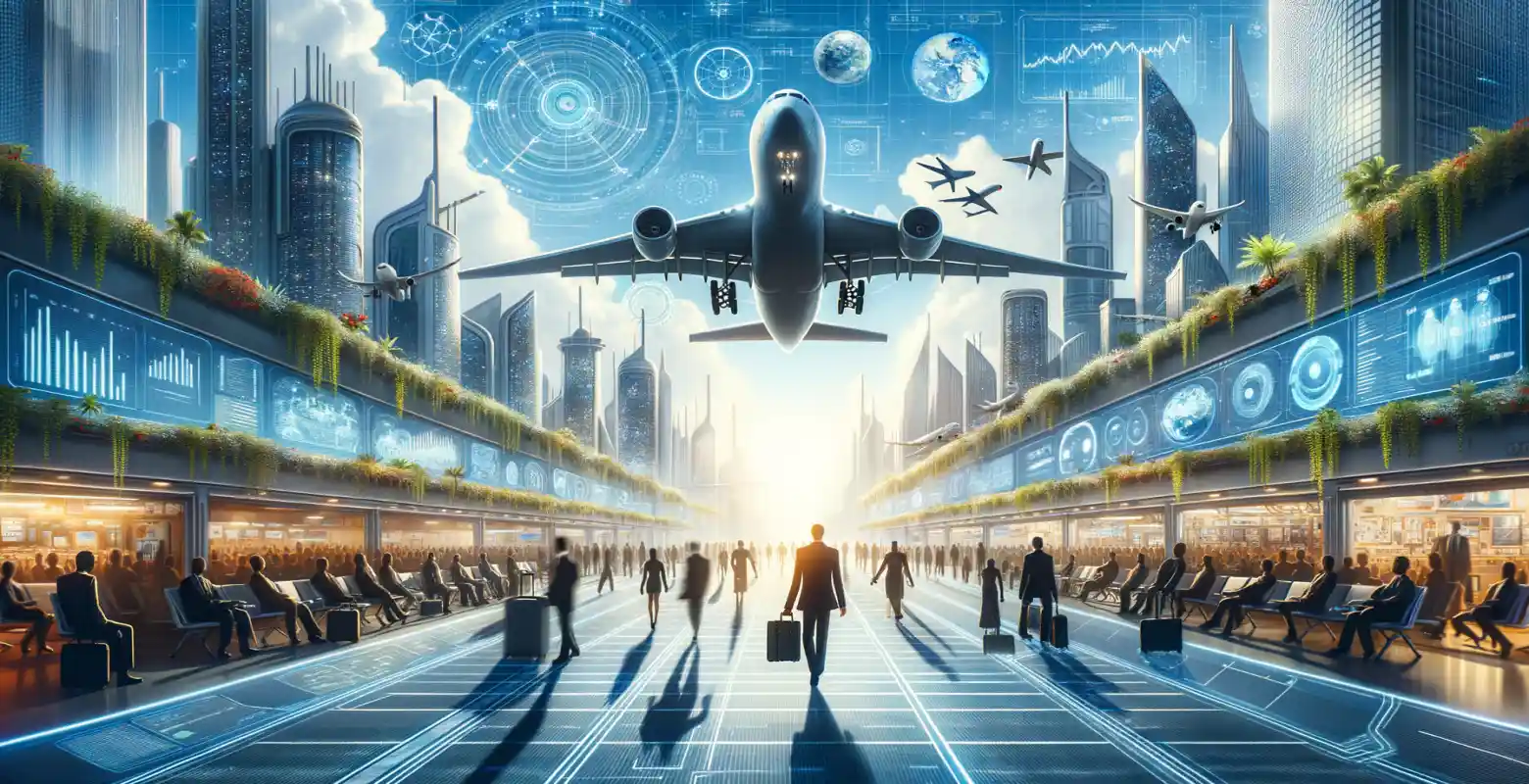
The future of civil aviation in the era of sustainable development
Introduction
Civil aviation plays a crucial role in the global economy, enabling fast transportation of people and goods worldwide. However, as ecological awareness grows and climate change becomes an increasingly real threat, the future of aviation must be reconsidered. In the era of sustainable development, this sector faces the challenge of reducing its carbon footprint while maintaining efficiency and accessibility. In this article, we will examine how the aviation industry is adapting to these challenges, what technological innovations are being introduced, and what future directions civil aviation may take.
The Significance of Civil Aviation in the Global Economy
Civil aviation is a key element of the global economy. It is responsible for transporting over 4 billion passengers annually and generates billions of dollars in revenue. Additionally, aviation supports international trade, tourism, and investments. However, the growing number of flights is associated with increased consumption of fossil fuels and carbon dioxide emissions, posing a challenge in terms of environmental protection.
Emissions and Their Impact on the Environment
Civil aviation accounts for approximately 2-3% of global CO2 emissions. While this may seem like a small percentage, the increasing pace of passenger numbers and flights means that this share is growing. Aviation emissions have a particularly harmful impact on the atmosphere as they occur at high altitudes, where their greenhouse effect is greater. Therefore, actions must be taken to reduce emissions in this sector.
Technological Innovations in Aviation
The aviation industry is actively working on implementing new technologies to reduce fuel consumption and emissions. The introduction of new, more efficient engines, lighter construction materials, and flight route optimization are just some of the solutions. Hybrid and electric aircraft are becoming an increasingly realistic prospect, although further research and testing are still required.
Biofuels as an Alternative
One of the most promising directions is the development of aviation biofuels. Biofuels are produced from renewable sources such as vegetable oils or organic waste and can significantly reduce CO2 emissions compared to traditional aviation fuels. Many airlines are already testing and introducing biofuels on some routes, which is a step towards more sustainable aviation.
The Role of Regulation and International Policy
Governments and international organizations, such as the International Civil Aviation Organization (ICAO), play a key role in promoting sustainable development in aviation. Programs like CORSIA (Carbon Offsetting and Reduction Scheme for International Aviation) impose obligations on airlines to reduce emissions or offset them through investments in ecological projects. Such initiatives are essential to achieve climate goals.
Challenges Associated with Implementing Sustainable Practices
Despite progress, the aviation sector faces many challenges in transitioning to sustainable development. The costs of implementing new technologies and fuels are high, and the availability of biofuels is still limited. Furthermore, these changes require coordinated international cooperation, which is not always easy to achieve.
Expected Trends and Innovations
In the coming years, we can expect further growth in the importance of electric aircraft, especially on shorter routes. The development of autonomous technologies may also revolutionize the way we travel. Additionally, digitization and the use of artificial intelligence will be crucial in optimizing aviation operations, contributing to further emission reductions.
Conclusion
The future of civil aviation in the era of sustainable development is a topic of great importance for our environment and economy. Through technological innovations, regulations, and increasing ecological awareness, the aviation sector has the opportunity to become more environmentally friendly while maintaining its crucial role in the global economy. All stakeholders, from governments to airlines, must collaborate to meet these challenges and ensure a sustainable future for aviation.


Number of comments: 0