

War innovations that have changed civil aviation
Introduction
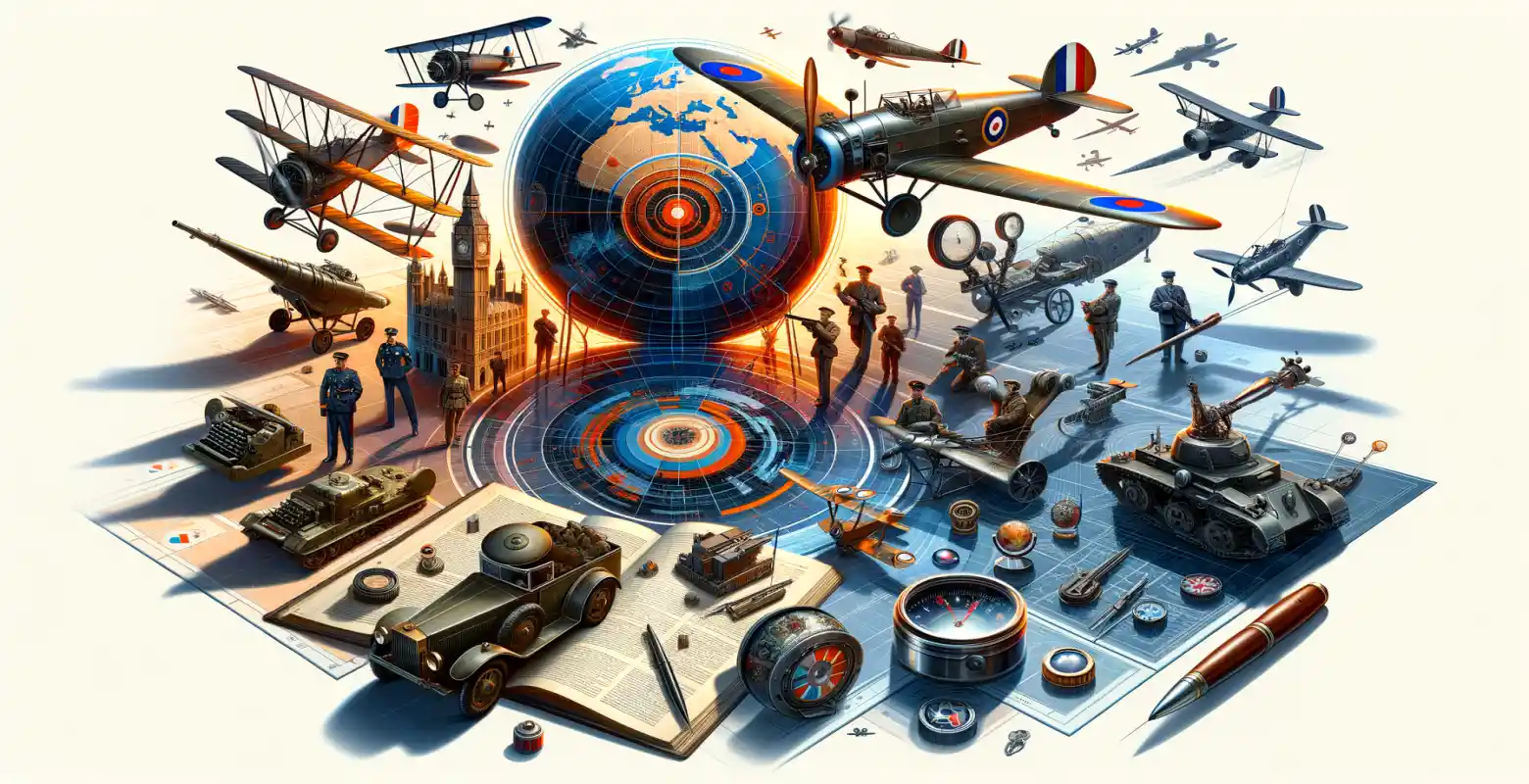
Civil aviation as we know it today is the result of a long process of technological evolution, with its roots often stemming from innovations developed during times of war. Armed conflicts, despite their destructive nature, have been a catalyst for technological advancement, which has found application in many aspects of civilian life, including aviation. In this article, we will examine how wartime innovations have influenced the development of civil aviation, which technologies have been adapted, and how they are applied today. This topic is extremely important as it demonstrates how changes in one sector can bring benefits in a completely different context, impacting travel, trade, and global communication.
Jet Engines: Revolution in Speed and Efficiency
Jet engines are one of the most important innovations that originated during World War II and revolutionized civil aviation. The development of jet engine technology during the war, led by figures like Frank Whittle in the UK and Hans von Ohain in Germany, allowed for the creation of aircraft capable of achieving higher speeds and greater fuel efficiency compared to traditional piston engines.
After the war, these technologies began to be adapted for the needs of civil aviation. In 1952, the British de Havilland Comet became the first commercial jet aircraft, revolutionizing air travel by reducing flight times and increasing passenger comfort. Today, most commercial passenger aircraft are powered by jet engines, which is a direct legacy of wartime innovations.
Radar: Safety and Air Traffic Control
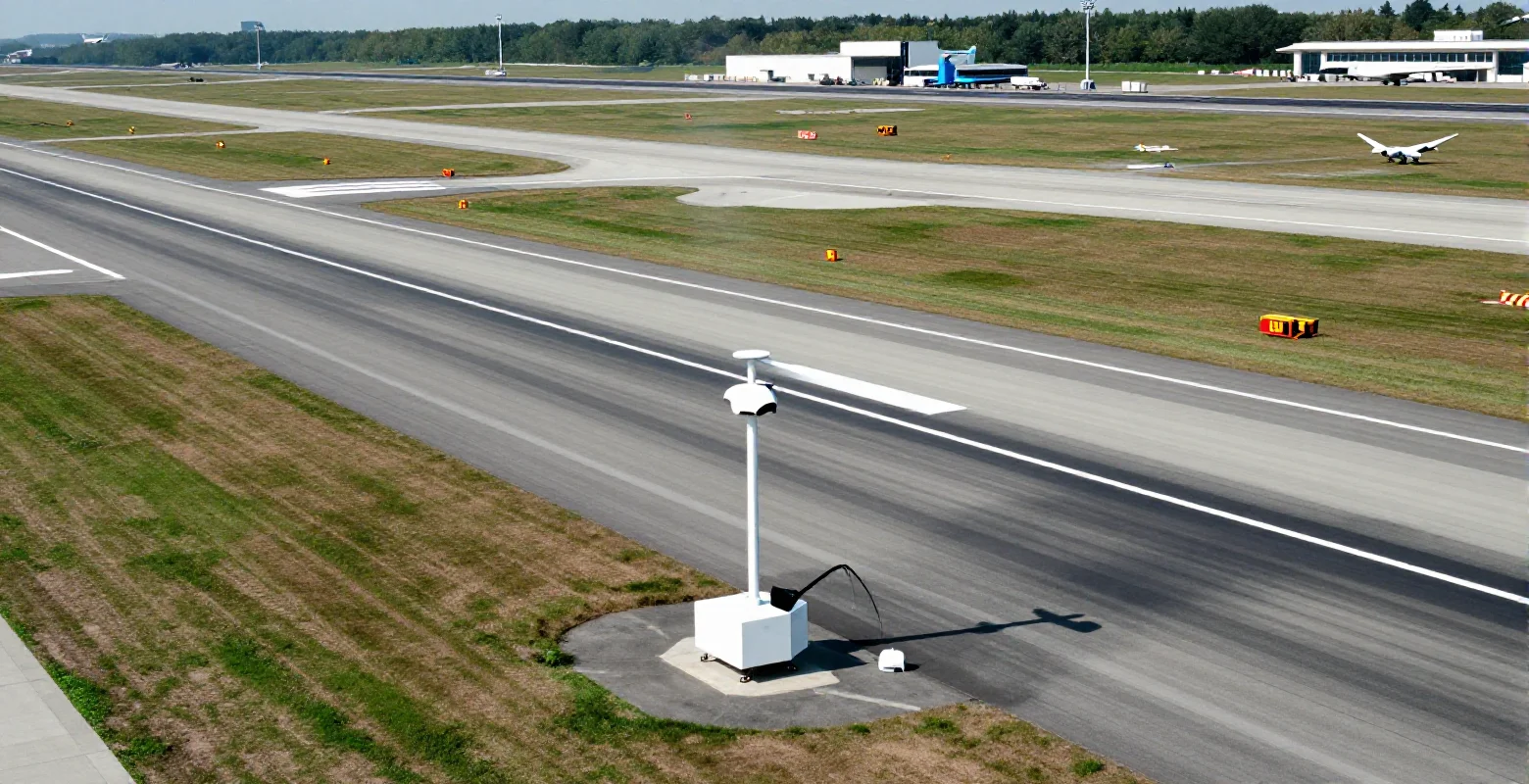
Radar technology, developed and improved during World War II, played a crucial role in improving the safety of civil aviation. Initially used to detect incoming enemy aircraft, this technology later found application in air traffic control systems.
Radar allows for real-time monitoring of aircraft positions, which is essential for managing increasingly crowded airspace. Additionally, modern radar systems are used to track weather conditions, aiding in the avoidance of dangerous atmospheric phenomena. As a result, air travel has become safer and more reliable.
Composite Materials: Lighter and Stronger Constructions
Composite materials are another example of innovations that transitioned from the battlefield to civil aviation. During armed conflicts, engineers experimented with new materials that were both lightweight and durable to enhance the range and maneuverability of military aircraft.
Today, composite materials are widely used in the construction of commercial aircraft. The use of composites allows for the production of lighter aircraft, leading to lower fuel consumption, reduced operational costs, and less environmental impact. The Boeing 787 Dreamliner is an excellent example of a modern aircraft that incorporates a wide range of composite materials, contributing to its success in the market.
Navigation Systems: GPS and Its Military Roots
Satellite navigation systems, such as GPS, have their origins in military projects from the Cold War era. Initially developed as a tool for precise tracking of military units, GPS systems have found broad application in civil aviation.
Through GPS, pilots can navigate with high precision, increasing not only safety but also flight efficiency. These systems also allow for route optimization, resulting in fuel savings and emission reductions. Modern aircraft are equipped with advanced navigation systems that are essential in the modern, globalized world of air travel.
Avionics: Electronic Support Systems and Automation
Avionics is a field that has significantly benefited from wartime innovations. Electronic support systems, initially developed for military aircraft, enable the automation of many flight functions in civilian aircraft.
Modern cockpits are equipped with advanced flight management systems (FMS) that assist pilots in flight planning and monitoring. Automation reduces pilot workload, enhances the precision of flight operations, and improves safety. The introduction of fly-by-wire systems, which replace traditional mechanical control systems with electronic ones, is another example of how wartime innovations have been adapted in civil aviation.
Modern Technologies and the Future of Civil Aviation
Contemporary civil aviation continues to draw from wartime innovations but constantly seeks new technologies that can contribute to further development. Efforts are currently underway to develop more environmentally friendly fuels, electric aircraft, and artificial intelligence technologies that could revolutionize the future of air travel.
One of the challenges facing the industry is reducing environmental impact, which prompts the search for solutions initially developed for the military, such as alternative energy sources or innovations in aerodynamics. The future of civil aviation will undoubtedly continue this process of adaptation and innovation.
Summary
Wartime innovations have played a key role in the development of civil aviation, influencing many aspects from aircraft design to navigation systems, safety, and operational efficiency. Thanks to this, air travel has become faster, safer, and more accessible to millions of people worldwide. Understanding how technologies developed in a wartime context have impacted the aviation industry is crucial to appreciating their role in the modern world. It is worth following the further development of technologies and innovations that may define the future of civil aviation, while addressing challenges related to ecology and sustainable development.


Number of comments: 0