

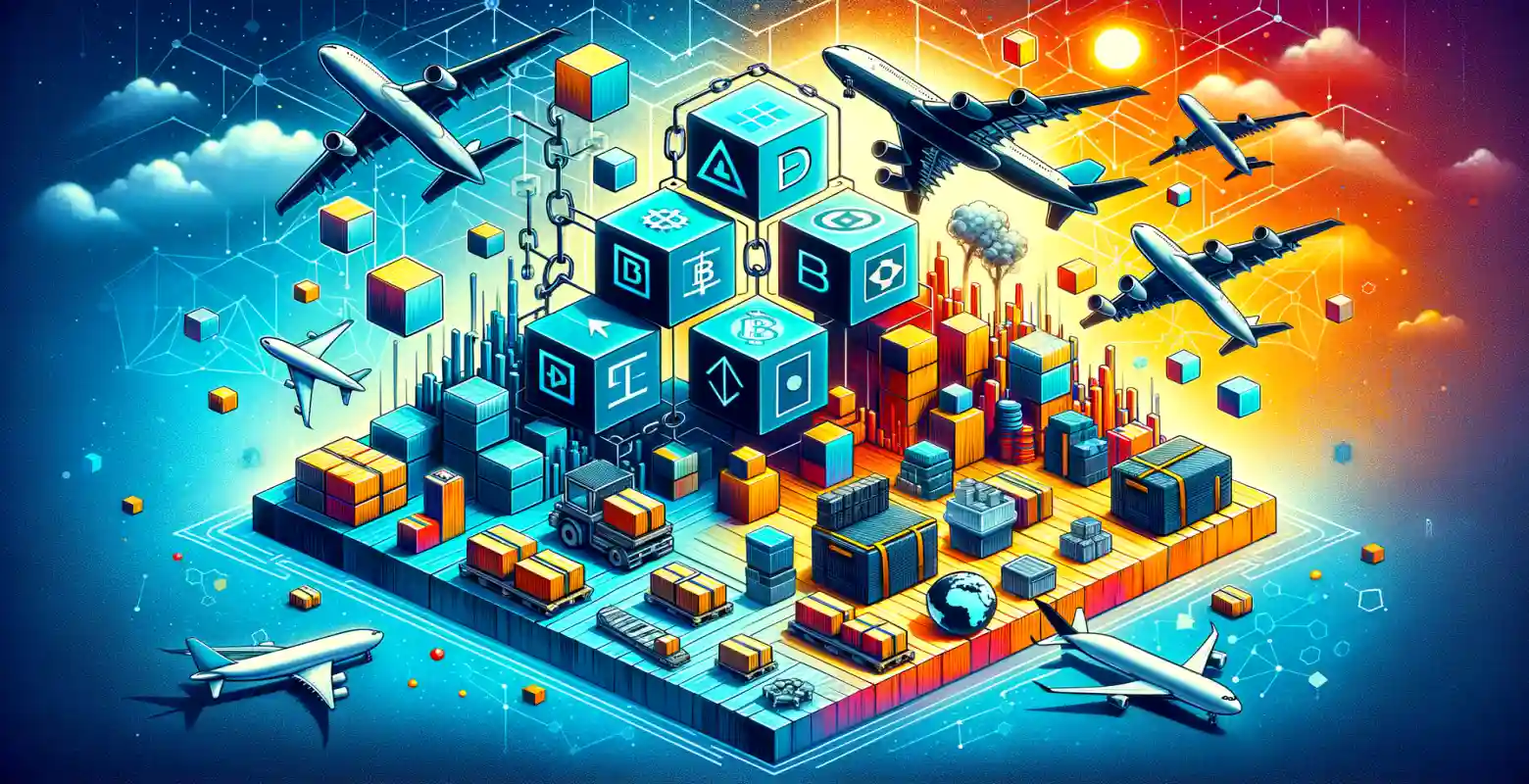
Blockchain in air logistics - revolution or passing trend?
Introduction
Blockchain in aviation logistics is a topic that has been gaining popularity in recent years. In the era of globalization and the increasing number of air transportations, efficient supply chain management becomes crucial. Can blockchain, a technology mainly known for cryptocurrencies, revolutionize this industry? Or is it just a passing trend that will not bring the expected results? In this article, we will take a closer look at this issue, analyzing the potential benefits, challenges, and the future of blockchain in aviation logistics.
What is blockchain?
Blockchain is a decentralized database that is both secure and transparent. In practice, this means that information is stored in a distributed manner and cannot be modified without the consent of network participants. This technology gained popularity in the context of cryptocurrencies, but its potential is much broader. In logistics, blockchain can be used for tracking shipments, managing documents, and ensuring operational transparency.
Blockchain in aviation logistics: applications and benefits
In aviation logistics, blockchain can bring many benefits. Firstly, it enables better tracking of shipments. Due to its decentralized nature, every change in the status of a shipment is immediately recorded and available to all supply chain participants. This, in turn, increases transparency and reduces the risk of fraud.
Another significant application is document management. Documents such as transport contracts, waybills, or quality certificates can be stored digitally on the blockchain. This makes them not only secure but also easily accessible and immutable.
Blockchain can also improve operational efficiency by reducing the number of human errors and speeding up decision-making processes. Automating many processes, such as settlements or customs clearance, allows for faster and more efficient supply chain management.
Challenges related to implementing blockchain technology
Despite numerous advantages, implementing blockchain in aviation logistics is not without challenges. The first challenge is the cost of implementation. This technology requires significant investments in infrastructure and staff training. For many companies, especially smaller ones, this may be a barrier that is hard to overcome.
Another challenge is the complexity of the technology. Blockchain is a relatively new technology that requires specialized knowledge. The lack of qualified personnel can delay the implementation process and lead to errors.
We must also consider legal regulations. Many countries still do not have adequate regulations regarding the use of blockchain, which may hinder its widespread adoption.
The future of blockchain in aviation logistics
Despite the challenges, the future of blockchain in aviation logistics looks promising. More and more companies are recognizing the potential of this technology and investing in its development. According to reports, by 2025, the value of the blockchain market in logistics could reach several billion dollars.
The increasing number of partnerships between technology companies and logistics operators is another step towards popularizing this technology. An example is the collaboration between IBM and various airlines, aimed at developing blockchain-based solutions.
This technology can also contribute to the sustainable development of the aviation industry by helping to reduce CO2 emissions through route optimization and better resource management.
Summary
Blockchain in aviation logistics has the potential to revolutionize the way we manage the supply chain. Although implementing this technology comes with certain challenges, its benefits, such as increased transparency, security, and efficiency, are invaluable. As this technology continues to evolve, we can expect its increasing impact on the aviation industry. Therefore, it is worth following this trend and being prepared for the changes that blockchain brings.



Number of comments: 0