

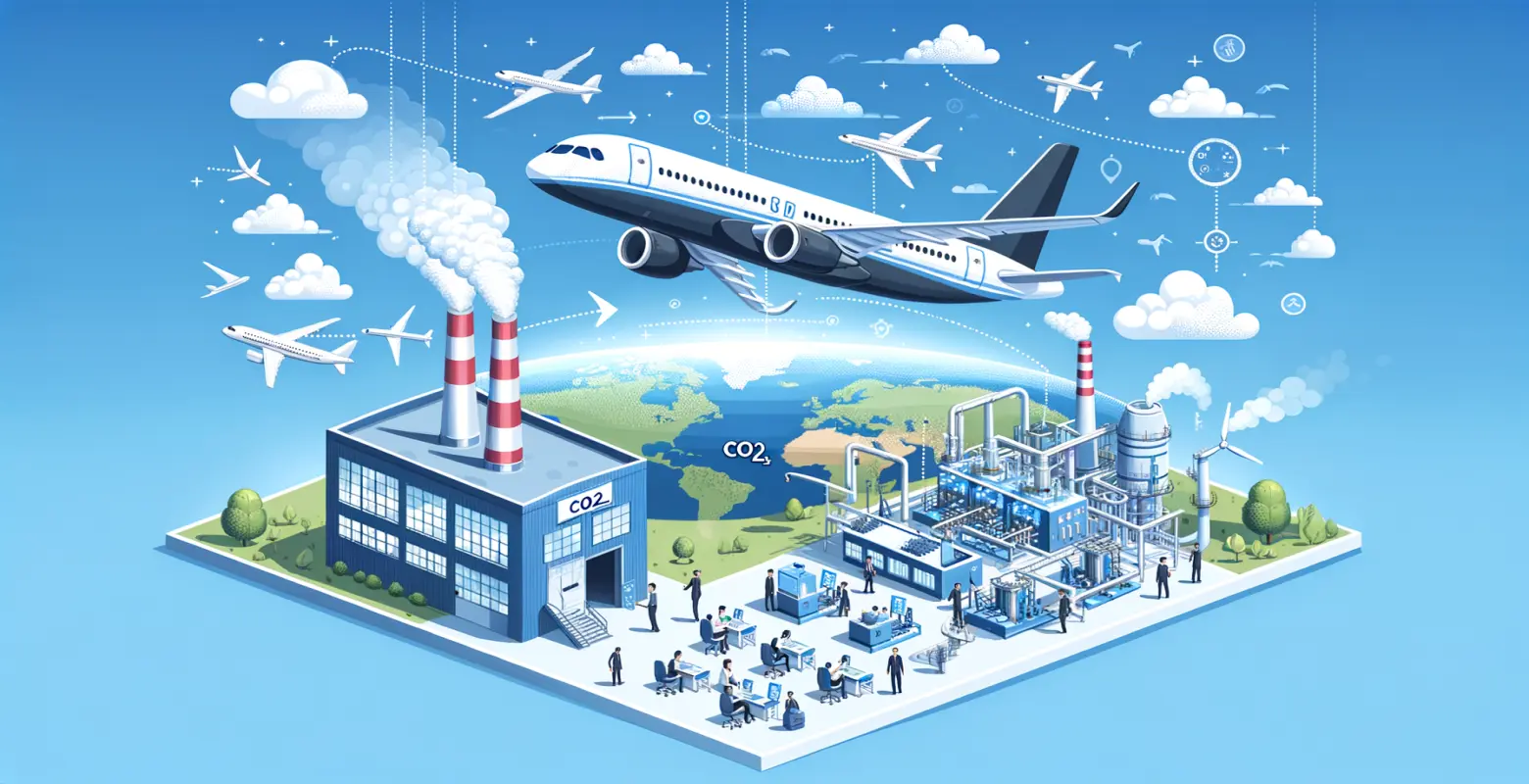
How do regulations regarding CO2 impact the aviation industry?
Introduction
Regulations regarding carbon dioxide (CO2) emissions are one of the key challenges facing the contemporary aviation industry. Faced with a growing ecological awareness of society and tightening environmental standards, the aviation industry must adjust its strategies to meet new requirements. Aviation, as one of the dynamically developing transport sectors, is responsible for a significant portion of global CO2 emissions. Therefore, regulations aimed at reducing these emissions are essential for the sustainable development of the industry. In this article, we will examine how these regulations impact the aviation sector, what challenges and opportunities they present, and what future development directions may be.
History and Context of CO2 Regulations in Aviation
Regulations concerning CO2 emissions in aviation are not a new phenomenon. Already in the 1990s, the International Civil Aviation Organization (ICAO) began to take an interest in the impact of aviation emissions on the environment. However, it is only in recent years, in the context of global efforts to combat climate change, that these regulations have gained particular significance. The Paris Agreement of 2015, which committed to limiting global warming, served as an impetus to tighten regulatory policies in aviation. In response to these challenges, ICAO introduced the CORSIA program (Carbon Offsetting and Reduction Scheme for International Aviation) aimed at stabilizing CO2 emissions at the 2020 level.
Technical Aspects of CO2 Emission Reduction
One of the main ways to reduce CO2 emissions is the development of new aviation technologies. Aircraft manufacturers such as Boeing and Airbus are investing in research on more efficient engines, lighter structural materials, and innovative aerodynamic solutions. For example, next-generation aircraft such as the Boeing 787 Dreamliner or Airbus A350 are designed to reduce fuel consumption, which directly translates into lower CO2 emissions. Furthermore, the development of alternative energy sources such as biofuels or hydrogen is becoming an increasingly viable option for long-term emission reduction in aviation.
Challenges Associated with Regulation Implementation
Despite technological advancements, the aviation industry faces numerous challenges related to the implementation of CO2 regulations. The costs associated with research and implementation of new technologies are significant, which can affect the profitability of airlines. Additionally, the global nature of aviation means that regulations must be consistent at the international level, which often encounters differences in the approach of individual countries. These challenges require the industry to not only make financial investments but also engage in international and cross-sector cooperation.
Environmental and Industry Benefits
Despite challenges, regulations concerning CO2 emissions also bring many benefits. Primarily, they contribute to reducing the impact of aviation on climate change, which is crucial for protecting our planet. Moreover, technological innovations introduced to meet these regulations can lead to long-term cost savings. More efficient aircraft consume less fuel, which, in the context of rising oil prices, is a significant economic factor.
Future Regulations and Development Directions
Looking to the future, we can expect further tightening of regulations concerning CO2 emissions in aviation. Introducing more stringent emission standards and developing new technologies will be crucial to achieving sustainable development goals. The aviation industry will likely have to accelerate investments in research on renewable energy sources and seek innovative solutions in aircraft design and operation.
Summary
Regulations concerning CO2 emissions pose both a challenge and an opportunity for the aviation industry. They necessitate innovation and adaptation of operational strategies, which can bring long-term benefits for both the environment and the industry itself. However, maintaining a balance between regulatory requirements and the economic and technological capabilities of the sector will be crucial. As the aviation industry evolves, the role of regulations in guiding it towards sustainable development will only grow. Therefore, international cooperation and investments in innovation remain a priority for all stakeholders involved in the future of aviation.



Number of comments: 0