

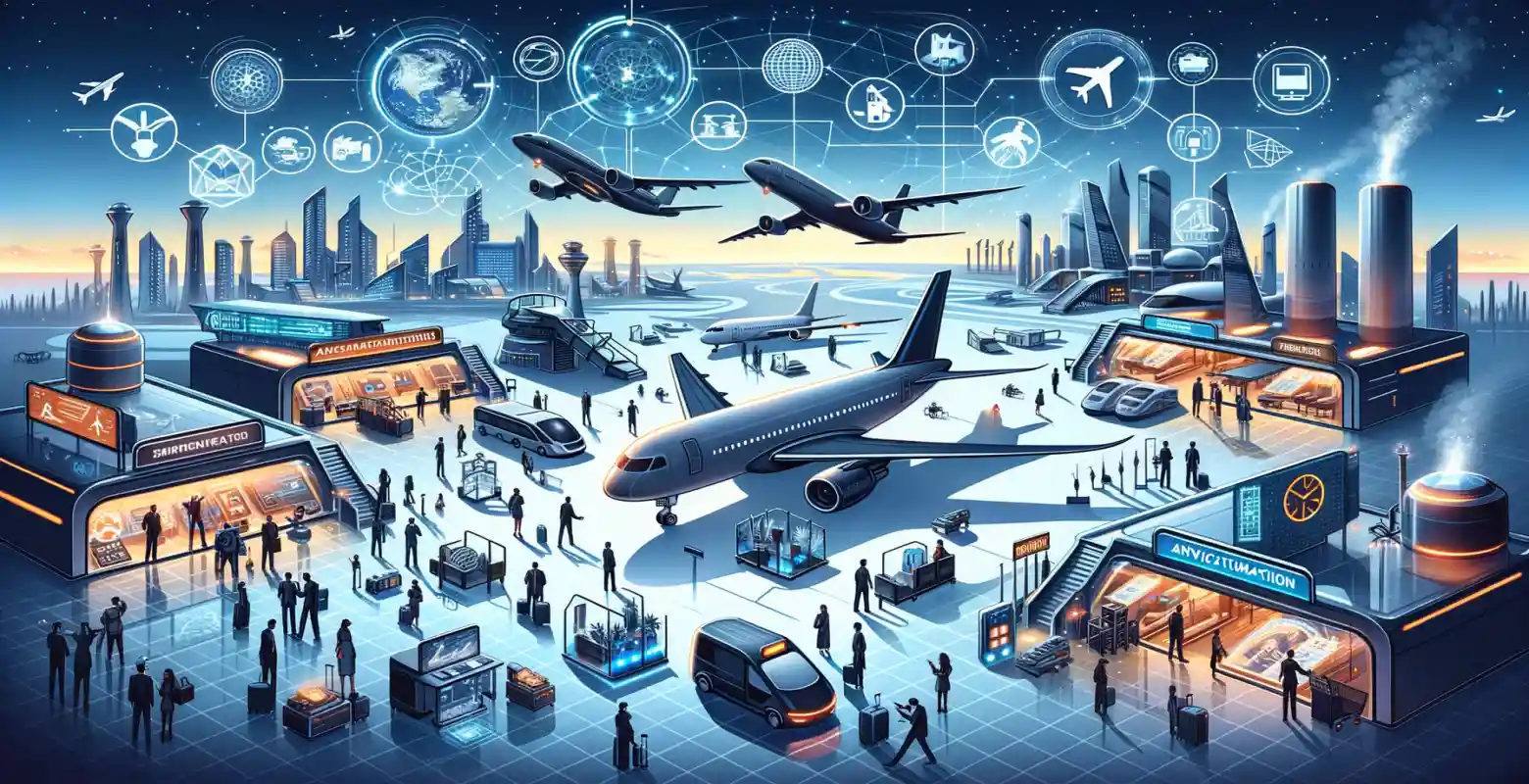
The most important aviation forecasts for the year 2025
Introduction
Aviation is one of the key sectors of the global economy, which is developing dynamically and constantly evolving. Technological progress, growing passenger expectations, and global environmental challenges are among the main factors shaping the future of this industry. In 2025, aviation will face many challenges, but also opportunities that can redefine the way we travel and transport goods. In this article, we will look at the most important forecasts regarding aviation in 2025, analyzing current trends and anticipated changes.
Technological Innovations in Aviation
Technology plays a crucial role in the development of aviation, and the coming years will bring many groundbreaking innovations. One of the main trends will be the development of electric and hybrid aircraft. As battery technology improves, more aviation companies are investing in research on aircraft that can reduce CO2 emissions. An example is the Elektra One Solar project, which shows that aircraft powered by solar energy can become a reality.
Another key innovation will be autonomous technologies in aviation. Although fully autonomous passenger aircraft may not be ready by 2025, technologies supporting pilots using artificial intelligence will become more common. These systems can help in analyzing flight data, improving safety, and operational efficiency.
Changes in Airport Infrastructure
Airports worldwide will have to adapt to new realities and passenger expectations. By 2025, many of them will become more automated, speeding up check-in and security processes. Implementing biometric systems for passenger identification will become the norm, reducing waiting times and improving travel comfort.
The development of infrastructure for electric aircraft will also be crucial. The need to build adequate charging stations and services for modern machines powered by alternative energy sources will pose a challenge, but also an opportunity for airports that want to lead the ecological transformation.
Impact on the Environment and Sustainable Development
Environmental awareness is becoming increasingly important, and the aviation industry is under pressure to reduce its environmental impact. By 2025, many airlines are committed to reducing greenhouse gas emissions by investing in more environmentally friendly aircraft and alternative aviation fuels. Biofuels and synthetic aviation fuels are being researched as potential substitutes for traditional jet fuel.
Concepts such as "green airports," which minimize energy and water consumption, will become increasingly popular. Airports will invest in renewable energy sources, such as solar panels, to support their operations and reduce their carbon footprint.
Changing Passenger Expectations
Passengers expect increasing comfort and personalization during their journeys. By 2025, airlines will need to adapt their services to meet growing customer expectations. The development of information and communication technologies will allow for more personalized passenger experiences, such as personalized offers, onboard entertainment, and the ability to easily change reservations.
Health and safety will also remain crucial. The COVID-19 pandemic has changed attitudes towards hygiene in air travel, and modern air filtration systems, regular disinfection, and touchless technologies will be standard in 2025.
Challenges for the Aviation Industry
One of the main challenges will be rising operational costs and the need to invest in new technologies. Airlines will face the difficult task of balancing costs with profits, especially in the context of regulatory changes regarding CO2 emissions.
Cybersecurity will also become a priority, as more aviation systems become digitally integrated. Protection against cyberattacks and securing passenger data will be crucial to maintaining customer trust.
Summary
Aviation in 2025 will be shaped by many factors, including technological innovations, changes in infrastructure, growing environmental awareness, and changing passenger expectations. While the industry will face many challenges, it will also open up new opportunities that can revolutionize the way we travel. It will be crucial to make decisions that support sustainable development and invest in technologies that will benefit both airlines and passengers. For readers, this means it is worth observing these changes and staying up to date with the latest developments in aviation that may affect their future travels.



Number of comments: 0