

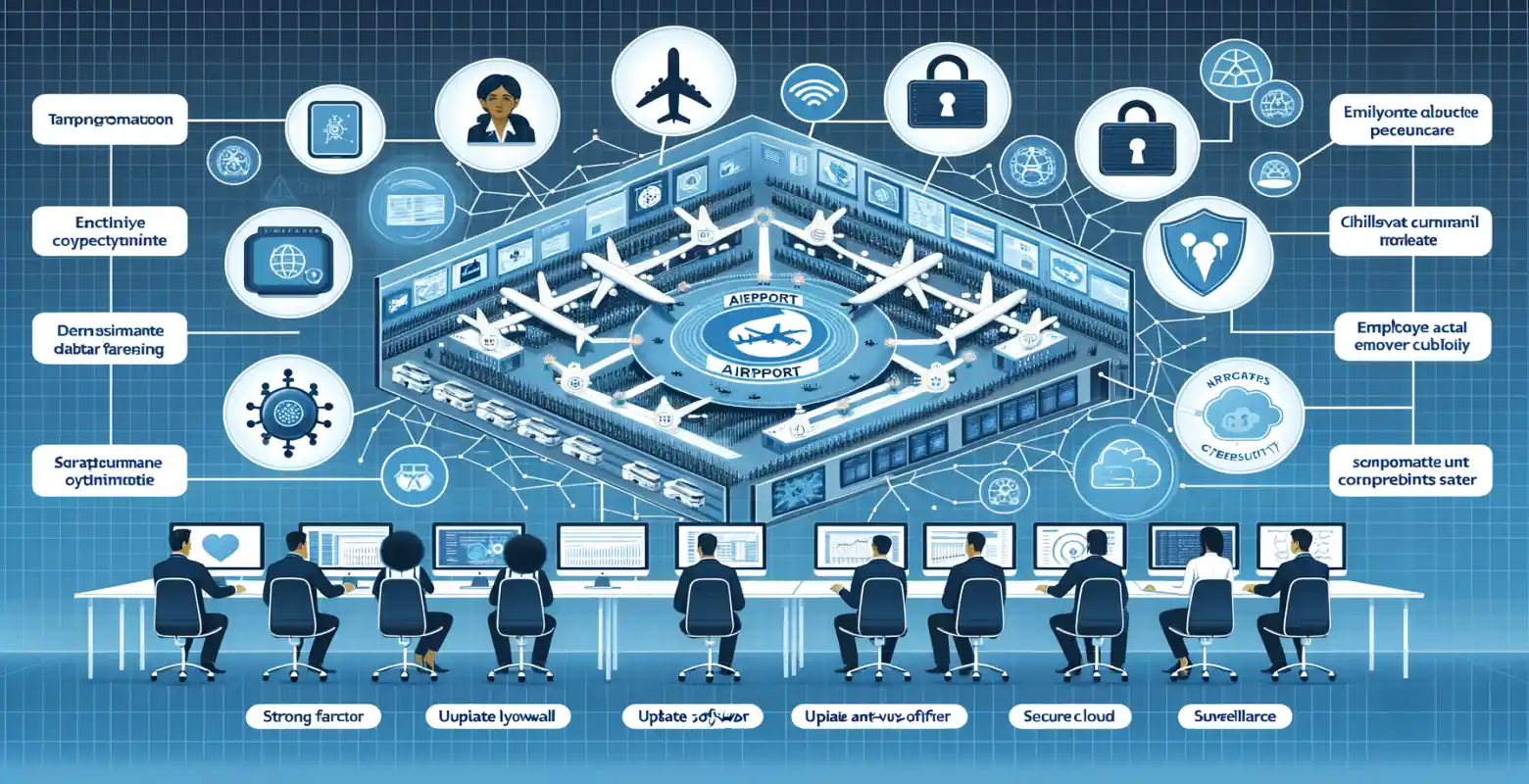
How do airports deal with cyber threats?
Introduction
In today's digital world, airports, as key transportation hubs, must deal with an increasing threat from cybercrime. From complex air traffic management systems to infrastructure supporting passenger operations, every part of the airport ecosystem is a potential target for attacks. The rise in cyber threats has made the protection of digital infrastructure a priority for airport managers worldwide. In this article, we will examine how airports are dealing with cyber threats, what technologies and strategies they are implementing, and what challenges they face in the future.
The Importance of Cybersecurity at Airports
Airports play a crucial role in the global transportation system, serving millions of passengers every day. With growing dependence on digital technologies, protecting data and systems has become critical. Cyber threats can range from theft of passengers' personal data to disruptions in flight control systems. Effective attacks can lead to serious consequences, including reputation loss, huge financial costs, and even threats to people's safety.
Technologies Used to Protect Against Cyber Threats
Airports implement various technologies to protect against cyber threats. One of the key tools is the use of firewalls and Intrusion Detection Systems (IDS), which monitor network traffic and detect suspicious activities. Advanced encryption systems are also essential for protecting sensitive data both in transit and at rest.
Data analysis technologies and artificial intelligence also play a significant role in identifying patterns that may indicate potential threats. Machine learning allows for dynamic adaptation to new types of attacks, increasing the effectiveness of preventive actions.
Implementation of Security Policies and Procedures
In addition to technologies, proper security policies and procedures are of paramount importance. Airports must develop detailed action plans for cyber incidents, including both preventive measures and response procedures. Regular security audits and penetration tests help identify vulnerabilities and eliminate them before they are exploited by cybercriminals.
Employee training is another key element. Airport staff must be aware of threats and know how to respond to suspicious situations. Implementing educational programs increases the organization's resilience to social engineering attacks, which are a common way to bypass security measures.
International Cooperation and Information Sharing
Cyber threats know no borders, so international cooperation is essential in combating them. Airports collaborate with governments, international organizations, and other airports to share information about threats and best practices. Initiatives such as the Aviation Information Sharing and Analysis Center (A-ISAC) provide a platform for knowledge exchange and joint response to incidents.
This cooperation allows for the rapid identification and neutralization of new threats before they can cause harm. It also enables the development of international security standards that enhance protection worldwide.
Challenges and Future Trends in Airport Cybersecurity
Despite advances in cybersecurity, airports still face many challenges. One of them is the rapid development of technology, which requires security systems to be constantly updated and adapted to new threats. Additionally, the growing number of Internet of Things (IoT) devices in airport infrastructure poses an additional attack vector that requires special attention.
In the future, we can expect the increasing importance of blockchain technology, which can significantly enhance the security of transactions and data exchange. The development of quantum technologies may also revolutionize encryption, offering new possibilities for protection against attacks.
Summary
Cyber threats are one of the most serious challenges for modern airports, which must continually adjust their strategies and technologies to ensure the safety of operations and passengers. With advanced technologies, effective security policies, and international cooperation, airports can effectively counter threats and minimize the risk of incidents. In the face of a dynamically changing technological environment, continuous education and innovation remain key to maintaining a high level of protection. For readers interested in deepening their knowledge of cybersecurity in aviation, it is worth following the latest publications and industry reports that provide up-to-date information and trend analysis.




Number of comments: 0