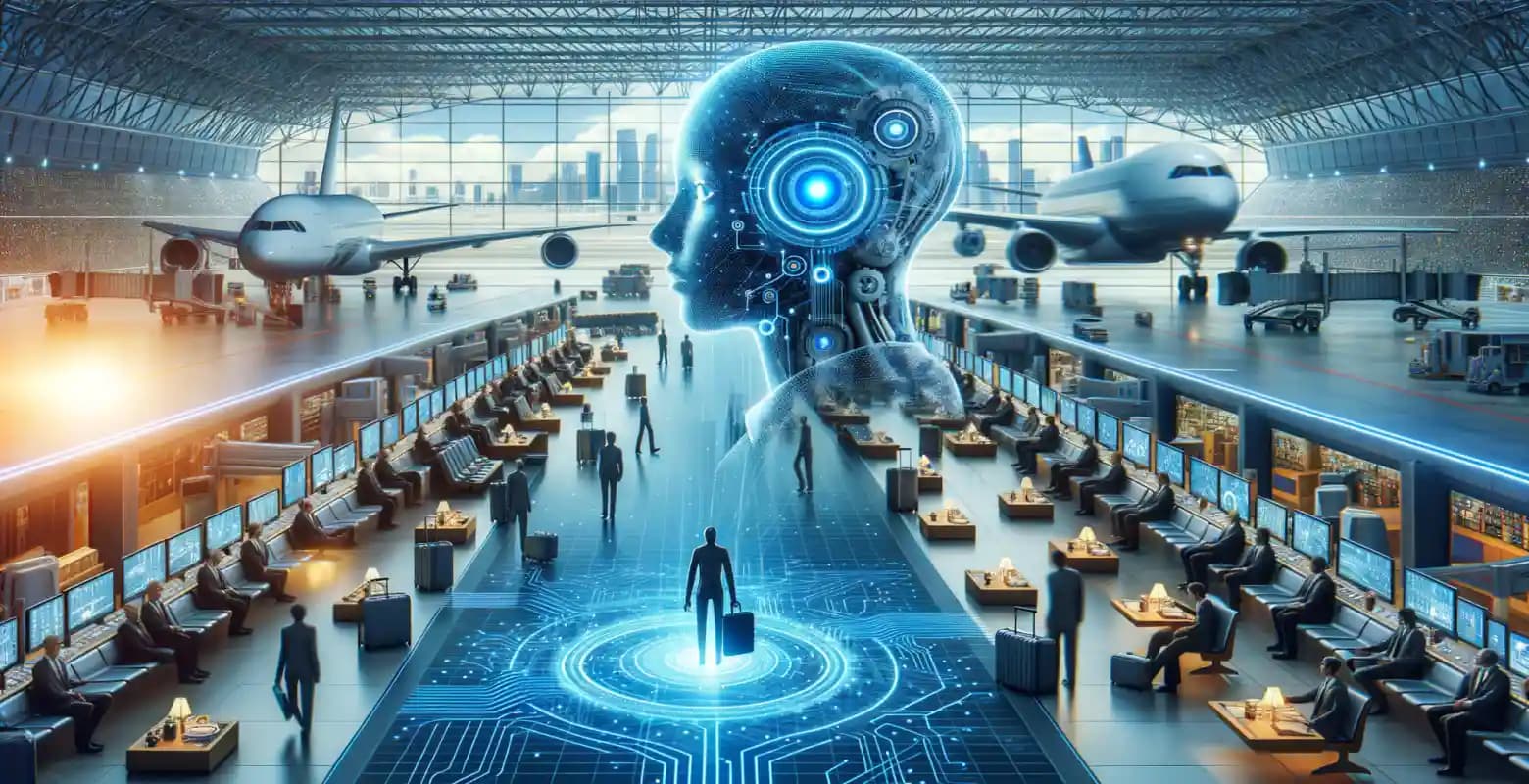
The impact of artificial intelligence on the future of airport management
Introduction
In today's rapidly changing world, airport management is becoming an increasingly complex task. Artificial intelligence (AI), as one of the newest and most fascinating technologies, offers the potential to transform many aspects of airport operations. From increasing operational efficiency to improving passenger experience, AI has the potential to revolutionize the way airports are managed. In this article, we will explore how artificial intelligence is shaping the future of airport management, the benefits and challenges of its implementation, and the trends we can observe in this area.
Automation of Operational Processes
One of the key areas where artificial intelligence can bring significant changes is the automation of operational processes at airports. By leveraging machine learning algorithms, airports can optimize air traffic management, leading to reduced delays and improved efficiency.
Artificial intelligence enables better forecasting of weather conditions, which is crucial for flight planning and landings. These systems can analyze historical and current data to predict weather changes more accurately than traditional methods. Additionally, AI can support ground traffic management by optimizing the routes of airport vehicles and minimizing downtime.
Enhancing Safety
Safety is a priority at every airport, and artificial intelligence can play a key role in improving it. AI algorithms can be used to monitor security systems, such as CCTV cameras, analyzing real-time images and detecting potential threats faster than humans.
With facial recognition technology, airports can enhance passenger screening effectiveness by identifying wanted individuals or those on no-fly lists. Furthermore, AI can analyze data from various sources to detect anomalies and potential threats, enabling security services to react more quickly.
Improving Passenger Experience
One of the areas where artificial intelligence has tremendous potential is in enhancing passenger experience. Personalized services based on data analysis allow for delivering more tailored and effective services, increasing passenger satisfaction.
Virtual assistants powered by AI can provide passengers with real-time information, helping them navigate the airport, informing about flight schedule changes, or suggesting places to visit. Additionally, these systems can streamline the check-in process, reducing wait times and eliminating the need for interaction with ground staff.
Effective Resource Management
Resource management is a key aspect of every airport's operation, and artificial intelligence can significantly improve the efficiency of this process. By analyzing large datasets, AI can predict resource demand, such as gates, parking spaces, or personnel, allowing for better planning and allocation.
AI-based systems can also optimize energy consumption and waste management, positively impacting the environment and reducing operational costs. As a result, airports can operate more ecologically and economically, which is crucial in the context of sustainable development.
Challenges of Implementing Artificial Intelligence
Despite numerous benefits, implementing artificial intelligence at airports poses certain challenges. One of the main issues is the need to integrate modern technologies with existing systems, which can be costly and time-consuming.
Another significant challenge is the issue of privacy and data security. Introducing advanced data analysis systems requires proper information protection measures to ensure compliance with legal regulations and the protection of passengers' personal data.
Perspectives and Future Trends
As artificial intelligence technology continues to evolve, its impact on airport management will increase. We can expect further automation and integration of intelligent systems that will be even more complex and efficient.
In the future, airports may become hubs of smart cities, where technologies such as the Internet of Things (IoT) will interact with AI, creating a more integrated and harmonious environment. Additionally, the development of autonomous vehicles and drones could revolutionize transportation and logistics at airports, making them more flexible and resilient to changes.
Summary
Artificial intelligence has the potential to significantly influence the future of airport management, bringing numerous benefits in terms of operational efficiency, safety, and passenger experience. Despite certain challenges that need to be overcome, the opportunities offered by AI are immense and will undoubtedly shape the future of airports worldwide.
As technology continues to evolve, it will be crucial for airports and airline operators to be open to new solutions and willing to invest in their implementation. Therefore, artificial intelligence will not only improve airport operations but also contribute to the sustainable development of the entire aviation sector.