

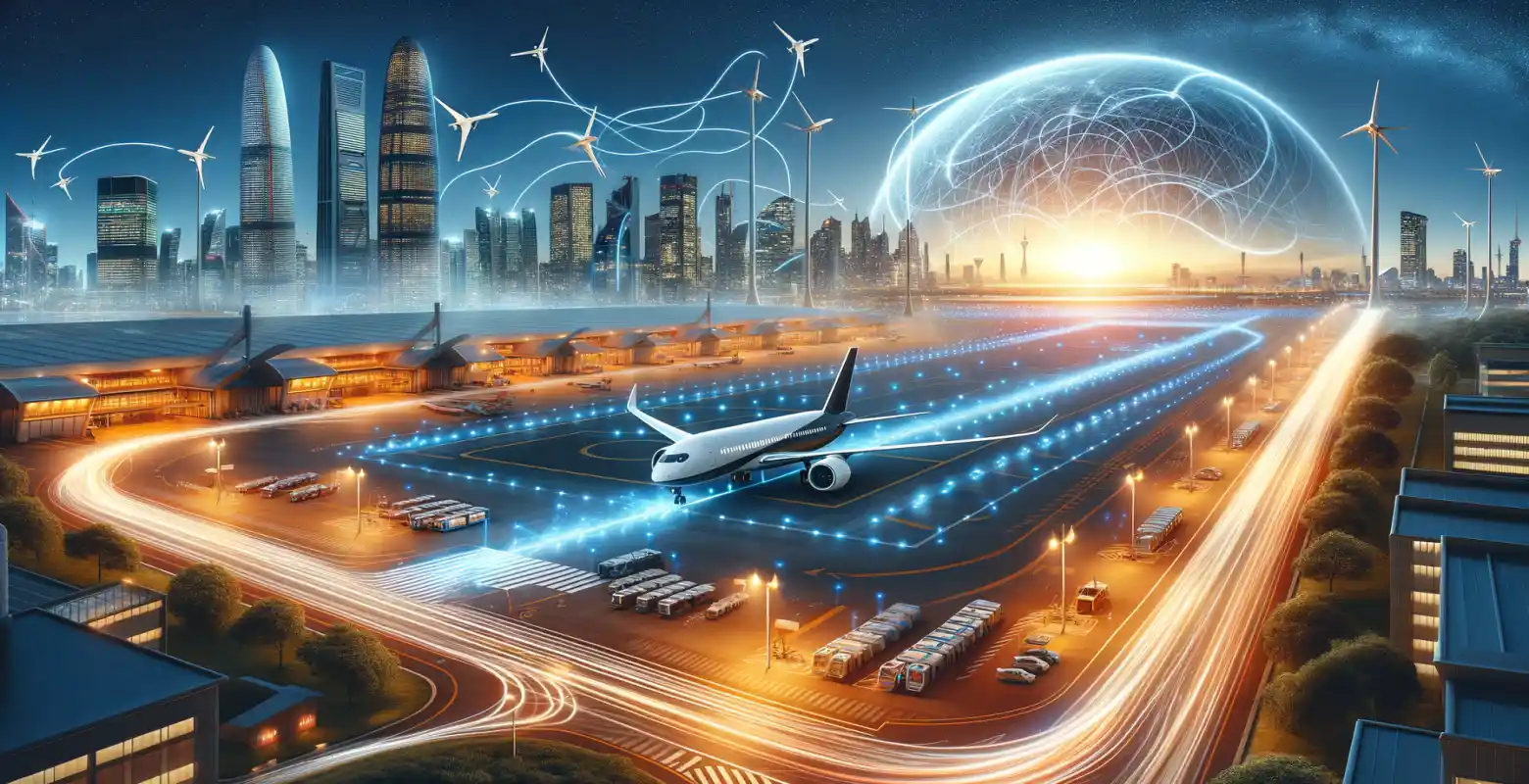
The future of airports in the era of electric aviation
Introduction
Electric aviation is gaining increasing popularity as an environmentally friendly alternative to traditional aircraft powered by fossil fuels. As these technologies develop, new challenges and opportunities emerge that will impact the future of airports worldwide. These transformations not only change the way we travel but also have a huge impact on airport infrastructure, management strategies, and environmental policies. In today's article, we will examine how airports will need to adapt to this new era of electric aviation.
Transformation of Airport Infrastructure
Airports will need to undergo significant transformation to meet the requirements of electric aviation. Firstly, the installation of infrastructure for charging electric aircraft will be necessary. Currently, charging such machines is one of the biggest technological challenges as it requires a large amount of energy in a short period. Airports will need to invest in modern charging stations with high power, which will require significant financial investments and the modernization of existing power grids.
The introduction of electric aircraft also means a reduced demand for traditional fuel stations, which can lead to cost savings related to fuel storage and distribution. This, in turn, can impact airport fees for airlines, benefiting both operators and passengers.
Impact on the Natural Environment
Electric aviation is widely seen as a more environmentally friendly solution compared to traditional aircraft powered by combustion engines. The reduction of CO2 emissions and noise are key advantages that contribute to reducing the ecological footprint of airports. Lower noise levels may allow airports to be located closer to cities, increasing their accessibility and reducing travel time for passengers.
However, the introduction of electric aviation is not without environmental challenges. The production and disposal of batteries are processes that can generate pollution if not properly managed. Therefore, airports and airlines will need to collaborate with manufacturers to ensure that the entire battery life cycle is as sustainable as possible.
Changes in Airport Management and Operations
The future of airports in the era of electric aviation also requires changes in management and daily operations. The introduction of new technologies necessitates training for staff, both in terms of technical maintenance and safety procedures related to new types of aircraft. Airports will need to invest in training and development of employees to keep up with the rapidly changing environment.
New technologies can also improve the operational efficiency of airports. For example, energy management systems can help optimize energy consumption, reducing operational costs. Additionally, the automation of processes such as baggage handling and security checks can increase airport capacity, which is crucial in the face of a growing number of passengers.
Future Trends and Innovations
Airports will need to be prepared for future innovations that can significantly impact how they operate. One of these trends is the development of Urban Air Mobility (UAM), which envisions the introduction of small electric aerial vehicles for daily urban transport. Airports can become key hubs in this new transportation network, requiring further infrastructure expansion and adaptation to new forms of air traffic.
Another significant trend is the development of autonomous technologies that could be applied in electric aviation. Autonomous aircraft and drones could revolutionize how airports are managed, reducing the need for human intervention and increasing the efficiency of aviation operations.
Summary
The future of airports in the era of electric aviation is a topic full of challenges but also tremendous opportunities. As electric technologies become more advanced and widespread, airports will need to adapt their infrastructure, operations, and management policies to meet new requirements. Investments in charging infrastructure, staff training, and sustainable environmental practices are crucial for success in this new era.
Electric aviation can significantly reduce the ecological footprint of airports, improve operational efficiency, and introduce new forms of air mobility. Collaboration between airports, airlines, aircraft manufacturers, and governments is essential to fully harness the potential of electric aviation. The future of airports is electric, and the changes happening now will shape the industry's development in the coming decades.



Number of comments: 0