

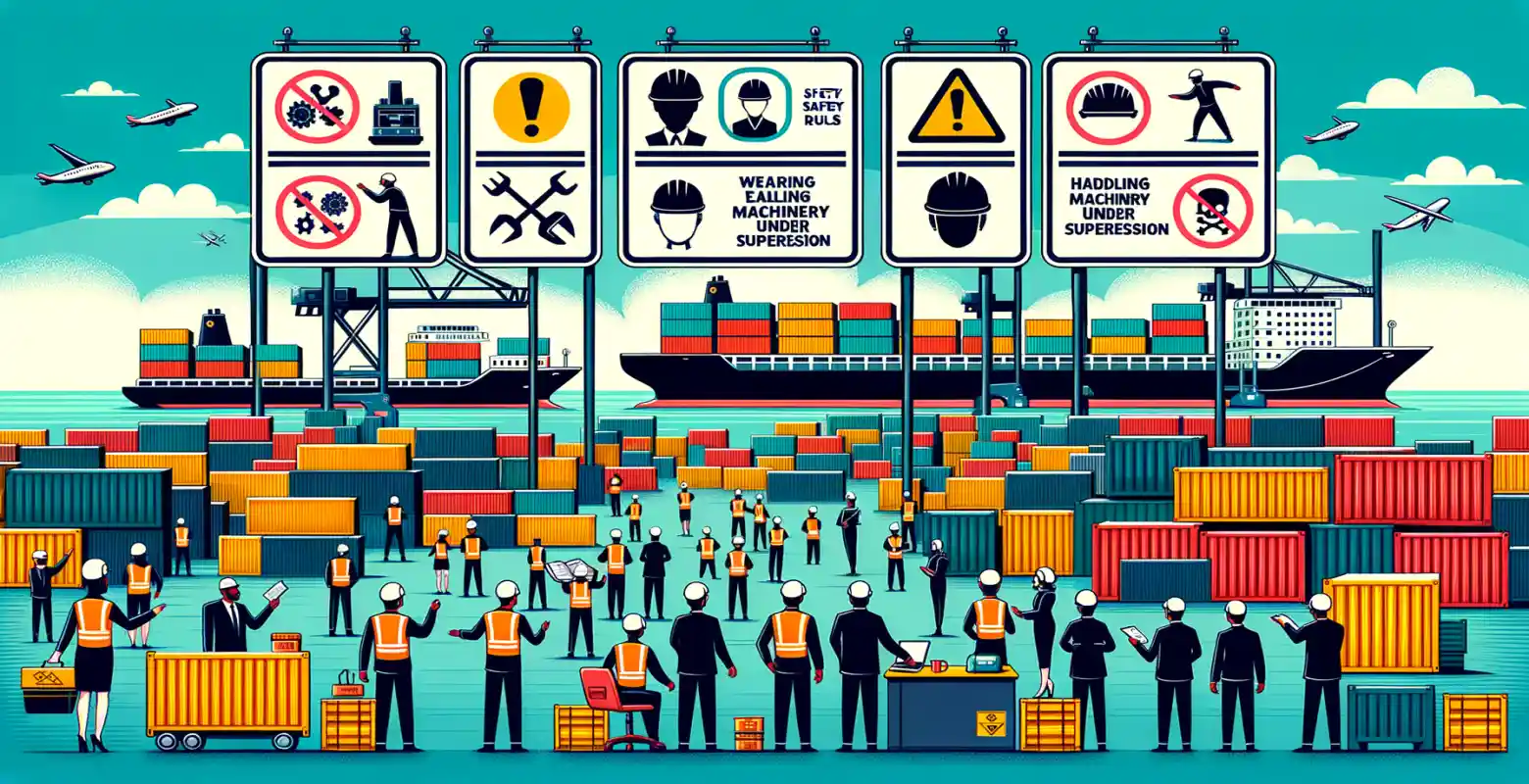
New safety regulations for cargo carriers
Introduction
In today's rapidly evolving world of transportation and logistics, the safety of cargo carriers has become a matter of paramount importance. New safety regulations for cargo carriers are not only a response to growing threats but also a tool to ensure efficiency and trust in international trade. In this article, we will examine why these regulations are significant, what changes they introduce, and what potential implications they have for the industry.
History of safety regulations in cargo transport
Safety in cargo transport has always been a priority, but over the years and with the rise of globalization, these requirements have evolved. Initially, regulations focused mainly on physical safety and protection against theft. However, with increasing terrorist threats and cyberattacks, the scope of regulations has significantly expanded.
A significant moment was the implementation of international standards such as the ISPS Code (International Ship and Port Facility Security Code), introduced after the events of September 11, 2001. Over time, aspects related to environmental protection and data management also began to be taken into account.
New regulations and their significance
New safety regulations for cargo carriers focus on several key areas: physical security, digital security, and environmental protection. Their goal is not only to protect transported goods but also to ensure compliance with international standards and increase operational efficiency for carriers.
Physical security: New regulations require more advanced monitoring systems and safeguards, including the use of technologies such as GPS, RFID, and CCTV camera systems.
Digital security: In the digital age, data protection has become a priority. Regulations impose the obligation to use advanced encryption technologies and protection against cyberattacks.
Environmental protection: There is an increasing emphasis on ecological transportation methods, meaning that carriers must adopt more sustainable practices and environmentally friendly technologies.
Challenges related to the implementation of new regulations
Introducing new regulations always comes with challenges. For cargo carriers, this may mean the need to invest in modern technologies, train employees, and adapt operational procedures.
One of the main challenges is the cost of implementing new security systems, which can be significant, especially for smaller companies. Additionally, dynamically changing regulations can make it difficult to maintain compliance with requirements.
Benefits of new regulations
Despite the challenges, new regulations bring many benefits. Increased safety of transported cargo translates into greater customer trust and a reduction in losses related to theft and damages. Additionally, modern security technologies can enhance operational efficiency through better supply chain management.
Improving environmental protection by using more eco-friendly transportation methods is also a key advantage, contributing to the sustainable development of the industry.
Future trends in safety regulations
The future of safety regulations in cargo transport is likely to focus on even greater integration of digital technologies and process automation. The growing importance of artificial intelligence and data analysis may bring new possibilities in terms of security management.
Environmental protection will also become increasingly important, leading to even more stringent requirements concerning CO2 emissions and the use of alternative energy sources.
Summary
New safety regulations for cargo carriers play a significant role in ensuring safety and efficiency in global transportation. Although their implementation may pose some difficulties, the benefits they bring are invaluable. Increased safety, compliance with international standards, and environmental protection contribute to the sustainable development of the industry. For cargo carriers, it is crucial to stay up to date with new regulations and invest in modern technologies and training to meet future challenges and enjoy a competitive advantage in the market.




Number of comments: 0