How did the pandemic affect aviation training?
Introduction
The COVID-19 pandemic has changed almost every aspect of our lives, and one of the areas that has experienced significant changes is aviation training. Due to global travel restrictions, the need to adapt to new health guidelines, and economic uncertainty, aviation schools have had to revise their approach to educating and training new pilots. Aviation markets worldwide have felt the effects of the pandemic, impacting the availability of courses, training methods, and the future of this industry. In this article, we will look at how the pandemic has affected aviation training, what challenges aviation schools have faced, and what changes may persist in the future.
Changes in Training Structure
The pandemic has forced aviation schools to introduce changes in the structure of training. Many institutions have transitioned to a hybrid system, combining traditional classroom lessons with online sessions. This made it possible to continue courses despite limitations on interpersonal contact. Virtual classes allowed students to participate in theoretical lectures from anywhere in the world, increasing the accessibility of aviation education.
However, the practical part of training, such as flight training, could not be conducted remotely. Therefore, schools had to develop new sanitary and epidemiological procedures to ensure the safety of both students and instructors. This involved additional costs, such as purchasing disinfectants, protective masks, and implementing hygiene procedures in flight simulators.
Impact on Training Availability and Costs
The pandemic also had an impact on the availability and costs of aviation training. Due to decreased demand for air travel, many airlines suspended or reduced their training programs for new pilots. This led many individuals interested in a career in aviation to seek alternative ways to finance their training or postpone their plans for the future.
Training costs also increased due to the need to implement additional safety measures. Smaller groups of students in practical classes meant that schools had to organize more sessions, resulting in higher operating costs. In some cases, these costs were passed on to students, reducing their access to training.
New Technologies in Aviation Training
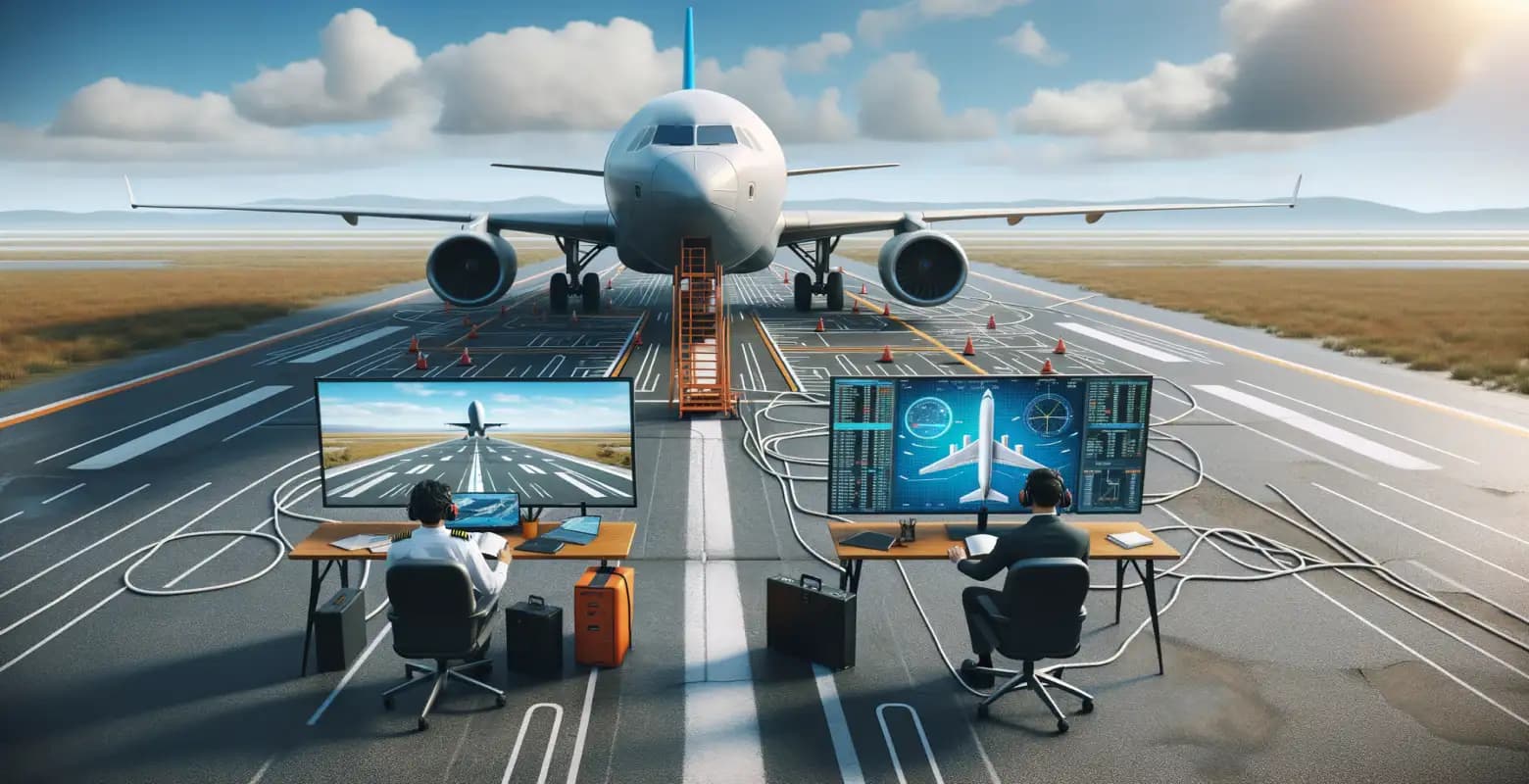
One of the positive outcomes of the pandemic was the accelerated implementation of new technologies in aviation training. Schools began to increasingly use advanced flight simulators, allowing for realistic replication of various flight scenarios without the need to take off into the air. These simulators became invaluable tools when access to real aircraft was limited.
The development of VR (Virtual Reality) and AR (Augmented Reality) technologies also found applications in aviation education. Through them, students can practice complex procedures in a safe digital environment, enhancing their competencies and preparedness for actual flights. These technologies also offer the possibility of simulating emergency situations, crucial for developing critical thinking skills and reactions in urgent scenarios.
Challenges and the Future of Aviation Training
One of the main challenges facing the aviation training industry is the reduction in the number of new recruits. Concerns about the future of the aviation job market, decreased demand for air travel, and high economic uncertainty have led fewer people to pursue a career as a pilot. This, in turn, may lead to a future shortage of qualified pilots as the aviation industry begins to rebuild.
However, the future of aviation training is not without hope. The industry is constantly evolving and adapting to new realities. The growing interest in unmanned flights and drones is creating new training opportunities. Furthermore, increased interest in sustainable development in aviation may lead to investments in new technologies that will require specialized training.
Summary
The COVID-19 pandemic has had a significant impact on aviation training, forcing the industry to quickly adapt to new conditions. The introduction of digital technologies, changes in training structure, and new financial challenges are just some of the aspects that have changed. Despite the difficulties, aviation schools demonstrate that they are capable of adapting and creating new paths for development. For those interested in a career in aviation, it is important to stay up to date with new trends and opportunities in this rapidly changing industry.