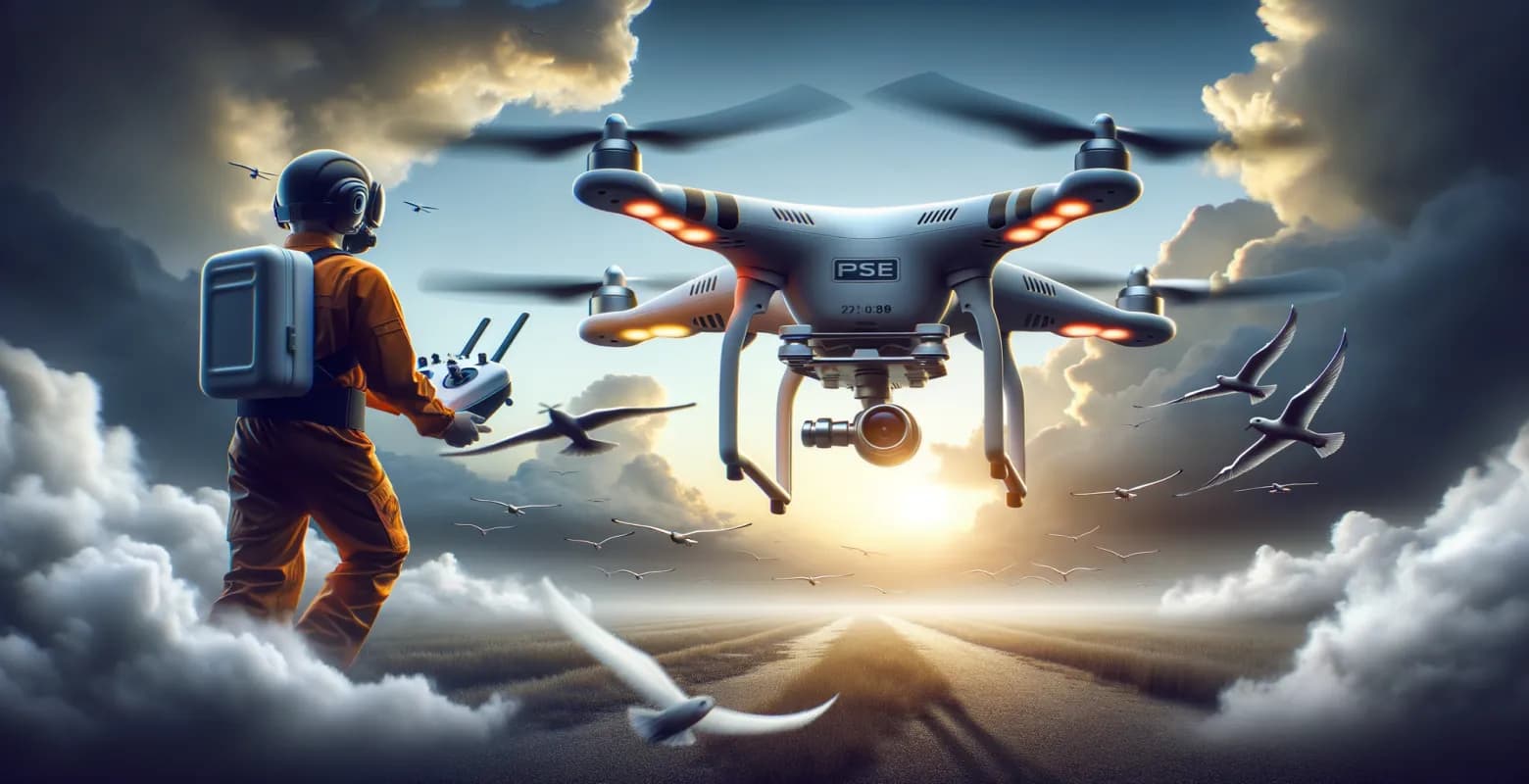
Changes in regulations concerning drone pilots
Introduction
In recent years, we have observed a dynamic development of unmanned aerial vehicle (UAV) technology, commonly known as drones. Their applications range from recreational to industrial, making them an integral part of modern society. In response to the growing popularity of drones, regulations regarding their use are also evolving. These changes aim to increase safety, protect privacy, and organize airspace. This article introduces readers to the latest changes in regulations concerning drone pilots, discussing their significance and impact on various aspects of drone use.
History of Drone Regulations
The first regulations concerning drones emerged in response to the increasing number of incidents related to their irresponsible use. In the initial phase, the regulations were rather general and focused on basic safety principles, such as the prohibition of flights near airports. However, with the increase in the number of drones and their applications, regulations began to develop to meet new challenges. The European Union, as a leader in aviation regulations, implemented a comprehensive set of regulations that apply in all member states.
Current Regulations and Their Changes
Since July 2020, new regulations regarding the use of drones have been in effect throughout the European Union, introduced by the European Union Aviation Safety Agency (EASA). One of the key elements of these regulations is the classification of drones into three categories: open, specific, and certified. Each of these categories has its own requirements regarding registration, training, insurance, and flight operations.
In the open category, which includes the majority of drones used for recreational purposes, users must meet less stringent requirements, but are still obliged to register their drone if its mass exceeds 250 grams. The specific category pertains to more complex operations, such as flights over crowds or near critical infrastructure. It requires additional permits and training for pilots. The certified category covers the most demanding applications, similar to commercial operations in manned aviation, and is associated with the highest safety standards.
Training and Certification of Drone Pilots
One of the key elements of the new regulations is the introduction of mandatory training for drone pilots. These trainings vary depending on the category to which the drone belongs. Drone operators in the open category must complete basic online training, covering safety principles, airspace restrictions, and privacy protection. On the other hand, pilots in the specific category must undergo more advanced training, often culminating in a practical exam.
Certification of pilots is particularly important for drones used for commercial purposes. Certified pilots gain the ability to carry out more complex tasks, increasing their competitiveness in the market. The certification process includes both theoretical and practical training, as well as an assessment of the ability to safely manage drone operations.
Impact of Regulations on the Drone Market and Users
The new regulations have a significant impact on the drone market and its users. On the one hand, stricter regulations may pose a challenge for hobbyists who must adapt to new requirements such as registration and training. On the other hand, professional drone operators can benefit from a more organized market where safety and service quality take precedence.
Additionally, regulations influence the technological development of drones. Manufacturers are obliged to adapt their products to new standards, stimulating innovation, especially in the field of drone safety and autonomy systems. This diversifies the market and provides users access to more technologically advanced devices.
The Future of Drone Regulations
Looking ahead, we can expect further changes in drone regulations that will respond to the growing needs of the market and society. A key trend is the development of autonomous technologies that can revolutionize the way drones are used. Therefore, future regulations will need to address issues related to autonomy, cybersecurity, and the integration of drones into existing aviation infrastructure.
Another important direction is the development of regulations concerning privacy protection. With the increasing range and capabilities of drones, there is a growing need to protect personal data and ensure that drones do not violate citizens' privacy. Future regulations will likely focus on these aspects, introducing more detailed rules regarding the collection and processing of data using drones.
Summary
Changes in regulations regarding drone pilots reflect the dynamic development of this technology and the growing importance of its regulations for safety and public order. The new regulations introduced by EASA are a step towards a more organized and transparent drone market, while also presenting users with new requirements. The future will certainly bring further changes aimed at increasing safety and integrating drones into everyday life. To meet these challenges, both users and drone manufacturers must be prepared to continuously adapt to new regulations. For those interested in this topic, it is particularly important to follow current regulations and participate in training to ensure compliance with existing standards.