

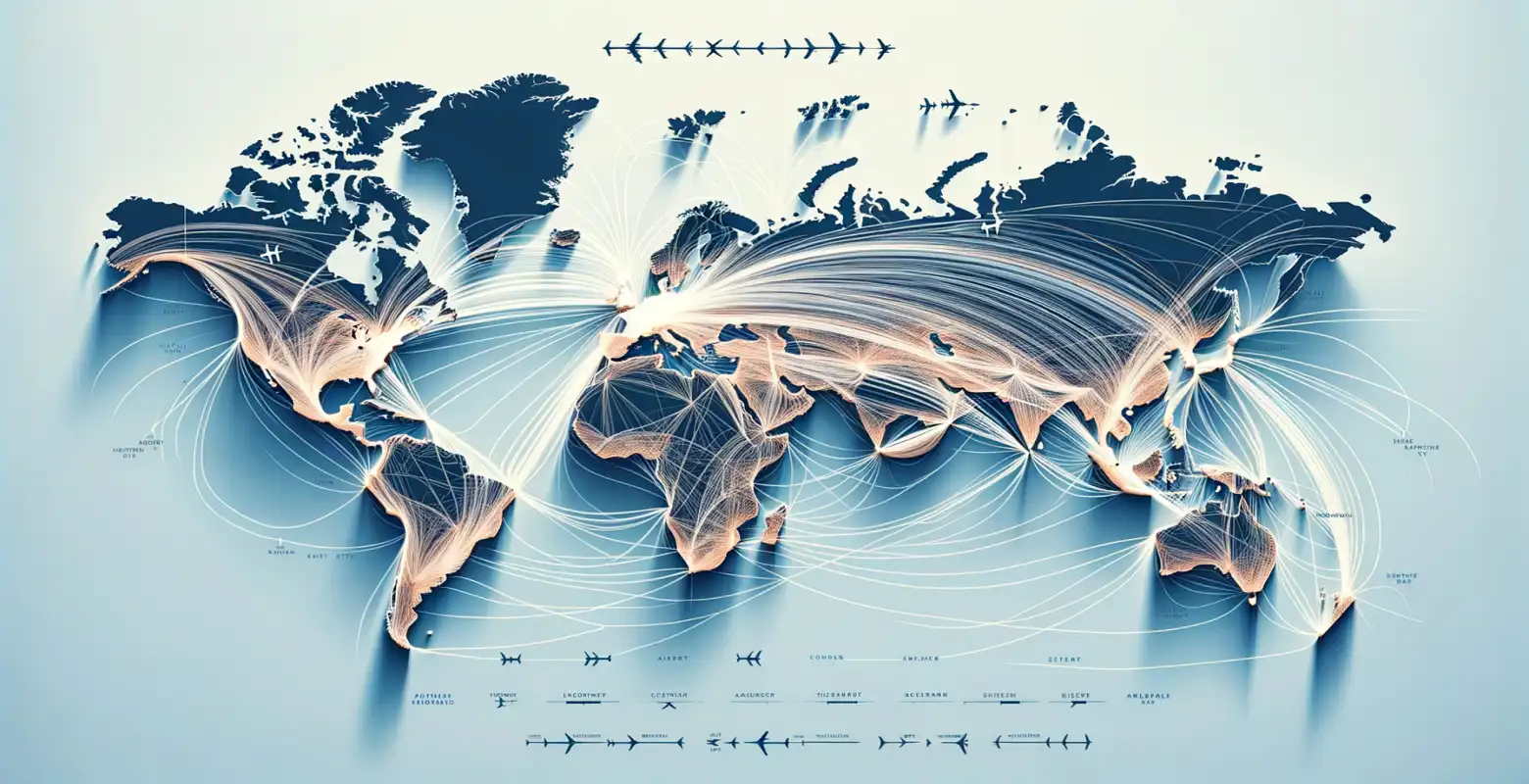
Most popular private flight routes
Introduction
In recent years, private flights have gained popularity, becoming an essential part of travel for many wealthy individuals and entrepreneurs. Private aviation not only offers convenience but also safety and flexibility, which are highly valued in today's dynamic world. During the COVID-19 pandemic, when commercial flights were limited, many people turned to private jets as an alternative to traditional air travel. In this article, we will take a closer look at the most popular private flight routes, analyzing their significance and the reasons why they are in such high demand.
Most Frequently Chosen Private Flight Routes
Private air travel provides access to a wide range of destinations, but some routes are chosen more frequently than others. Among the most popular routes are those connecting major business and tourist centers. Leading routes include London – New York, Los Angeles – Las Vegas, and Paris – Geneva. Each of these routes has unique features that attract travelers.
London – New York: This route connects two of the world's largest financial centers. Entrepreneurs and investors often choose this route due to the need for quick travel between these two cities. Private flights save time by avoiding long security checks at airports and offering flexibility in planning.
Los Angeles – Las Vegas: This is a popular route not only for business travelers but also for tourists seeking entertainment. The short flight time and the large number of available private airports make it an attractive option for those looking to spend a weekend in Las Vegas.
Paris – Geneva: This route is often chosen by individuals in the financial industry and diplomats. Geneva, being the headquarters of many international organizations, attracts travelers from around the world, and private aviation facilitates quick travel between these two cities.
Historical Background of Private Flights
Private aviation has its roots in the 1960s when small jets were first used for private travel. A pioneer in this field was the Learjet company, which introduced the first private jet to the market in 1963. Since then, the industry has been developing rapidly, with a significant increase in the number of available aircraft models and their technological capabilities.
In the 1980s and 1990s, private aviation became more accessible due to the development of new technologies and an increase in the number of wealthy individuals. Today, thanks to platforms such as NetJets and Flexjet, private flights have become more accessible, offering various ownership models, including aircraft co-ownership and on-demand charter.
Benefits of Choosing Private Flights
Private flights offer a range of benefits that attract both private individuals and entrepreneurs. Some of the most important benefits include:
Flexibility: Private flights allow flying according to one's own schedule, which is incredibly valuable for those leading a dynamic lifestyle. Travelers can choose flight times and routes, allowing for better customization of travel to their needs.
Comfort: Private jets offer a high standard of comfort that is unattainable in commercial airlines. Individually designed interiors, luxury seats, and access to the latest technologies make the journey a pleasure.
Safety: During the pandemic, private flights have become a safer alternative to commercial travel. The smaller number of people on board and the ability to avoid crowded airports significantly reduce the risk of infection.
Challenges Associated with Private Flights
Despite many advantages, private flights also come with certain challenges. Some of the most important ones include:
Costs: Private flights are much more expensive than commercial flights. Operating costs, technical maintenance, and fuel costs make them unaffordable for everyone. Nevertheless, more and more people opt for aircraft co-ownership or charter, which reduces costs.
Environment: Aviation, especially private aviation, is often criticized for carbon dioxide emissions. In response to these challenges, many airlines are investing in more environmentally friendly technologies, including biofuels and electric aircraft, to reduce the negative impact on the environment.
Trends and Future of Private Flights
The future of private flights seems promising, especially in the context of developing technologies and changing traveler needs. Some of the most important trends include:
Technological Development: Technological innovations, such as electric or hybrid aircraft, could revolutionize the industry, making private flights more environmentally friendly and cost-effective.
New Business Models: Airlines are increasingly offering subscription models that allow for the use of private flights within a monthly fee. Such solutions can contribute to increasing the accessibility of private flights.
Changing Traveler Preferences: In a globalized world, travelers are increasingly seeking flexible and safe solutions. Private flights perfectly meet these needs, offering a level of comfort that cannot be found in traditional airlines.
Conclusion
Private flights play an increasingly important role in today's globalized world. With their flexibility, comfort, and safety, they become an attractive alternative to traditional air travel. Despite certain challenges, such as high costs or environmental issues, the future of private flights seems promising, especially in the context of developing technologies and new business models. For those who can afford it, private aviation offers an unparalleled travel experience. We encourage further exploration of this fascinating industry and discovering its possibilities.




Number of comments: 0