

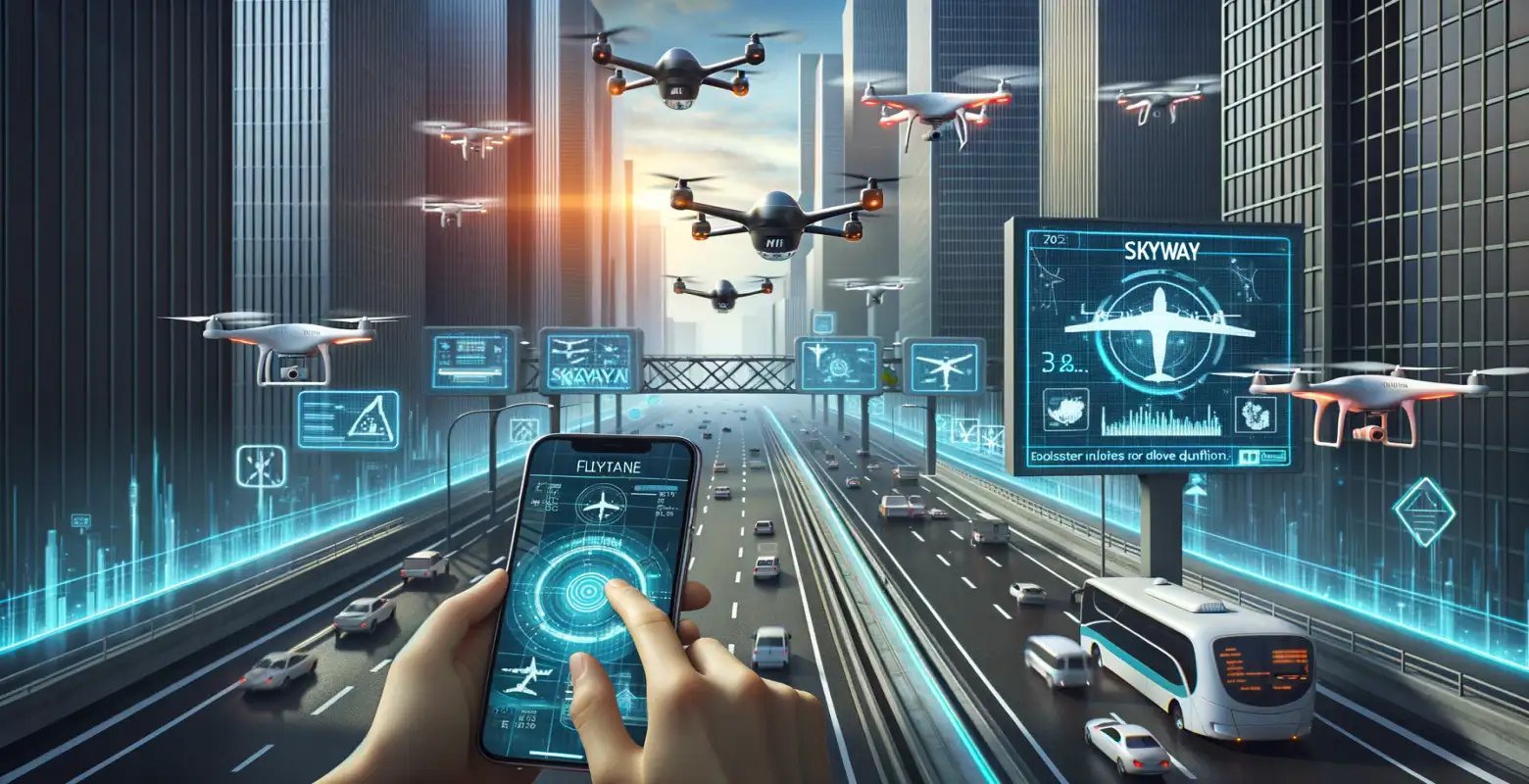
Regulations concerning drone flights in 2025
Introduction
In recent years, drones have become an integral part of modern technology, finding applications in various areas of life. From aerial photography to monitoring agricultural areas, their versatility and accessibility make them extremely attractive to both professionals and enthusiasts. With the growing popularity of drones, there is a need for legal regulations that will ensure safety and privacy protection. The regulations regarding drone flights in 2025 are crucial for understanding how we can use this technology responsibly and in compliance with the law. In this post, we will examine the details of the legal regulations that will come into effect in the coming years and their impact on drone users.
History of Drone Regulations
The beginnings of legal regulations regarding drones date back to the early 21st century, when the first commercial models appeared on the market. The initial lack of regulations led to numerous incidents that posed threats to aviation safety and citizens' privacy. In response to these challenges, various countries began introducing regulations aimed at controlling the use of drones. In the European Union, including Poland, a key moment was the introduction of the EU Regulation 2019/947, which established basic principles for the operation of unmanned aircraft. The new regulations for 2025 build upon these earlier regulations, responding to the dynamic development of technology and its increasingly widespread use.
Key Principles of Regulations in 2025
The regulations concerning drone flights in 2025 focus on several key areas: safety, privacy protection, airspace management, and education and certification of operators. The new regulations introduce more detailed requirements for drone registration, mandatory training for operators, and rules regarding flights in residential areas and near airports.
Drone Registration and Identification: All drones weighing over 250 g must be registered in the national registry of unmanned aircraft. Registration aims to identify the owner and operator, which is crucial in the event of safety-related incidents.
Training and Certification of Operators: Drone operators will be required to undergo training and obtain a certificate authorizing them to operate drones. The training covers both theory and practice, aiming to ensure that operators are aware of the applicable regulations and can safely operate their devices.
Safety and Privacy Protection
One of the most important aspects of the new regulations is the issue of safety and privacy protection. The introduced regulations aim to minimize the risk of collisions with other aircraft and ensure that drone flights do not infringe on citizens' privacy rights.
Restricted Zones and Flight Restrictions: The new regulations precisely define zones where drone flights are prohibited or restricted. This mainly applies to areas around airports, government buildings, and high-traffic areas. Drones operating in restricted zones must have special permits.
Safety-Enhancing Technologies: In 2025, technologies such as geofencing, which prevent drones from entering dangerous areas, and collision avoidance systems, which assist operators in avoiding obstacles and other flying objects, will play an increasingly important role.
Impact of Regulations on Drone Technology Development
The new regulations directly impact the development of drone technology, stimulating innovation in safety, efficiency, and sustainable development. Companies involved in drone production and service providers must adapt their products to the new legal requirements.
Development of Autonomous Technologies: Regulations support the development of autonomous control systems, which can enhance the safety of drone operations by automatically responding to potential threats and avoiding collisions.
Sustainable Development: The introduction of stricter regulations concerning noise emissions and pollution encourages manufacturers to invest in environmentally friendly solutions, such as electric motors and composite materials.
The Future of Drone Flights
Drone flights in 2025 will continue to evolve dynamically, and regulations will be continuously adjusted to changing market conditions and needs. It is anticipated that drones will play an increasingly significant role in logistics, environmental monitoring, and rescue operations.
Integration with the Transport System: One of the long-term goals is to integrate drones with the existing transport system, enabling more efficient air traffic management and better utilization of airspace.
Applications in New Areas: Drones will be increasingly used in sectors such as agriculture, construction, and healthcare, where they can contribute to increased efficiency and cost reduction.
Conclusions
The regulations concerning drone flights in 2025 are an important step towards the safe and responsible use of this technology. With their help, it will be possible to further develop the drone market in a way that takes into account the needs of public safety and privacy protection. At the same time, these regulations stimulate innovation and encourage the search for sustainable technological solutions. For drone users, both hobbyists and professionals, it is crucial to familiarize themselves with the new regulations and comply with them, which will contribute to the further development of this dynamic industry.


Number of comments: 0