

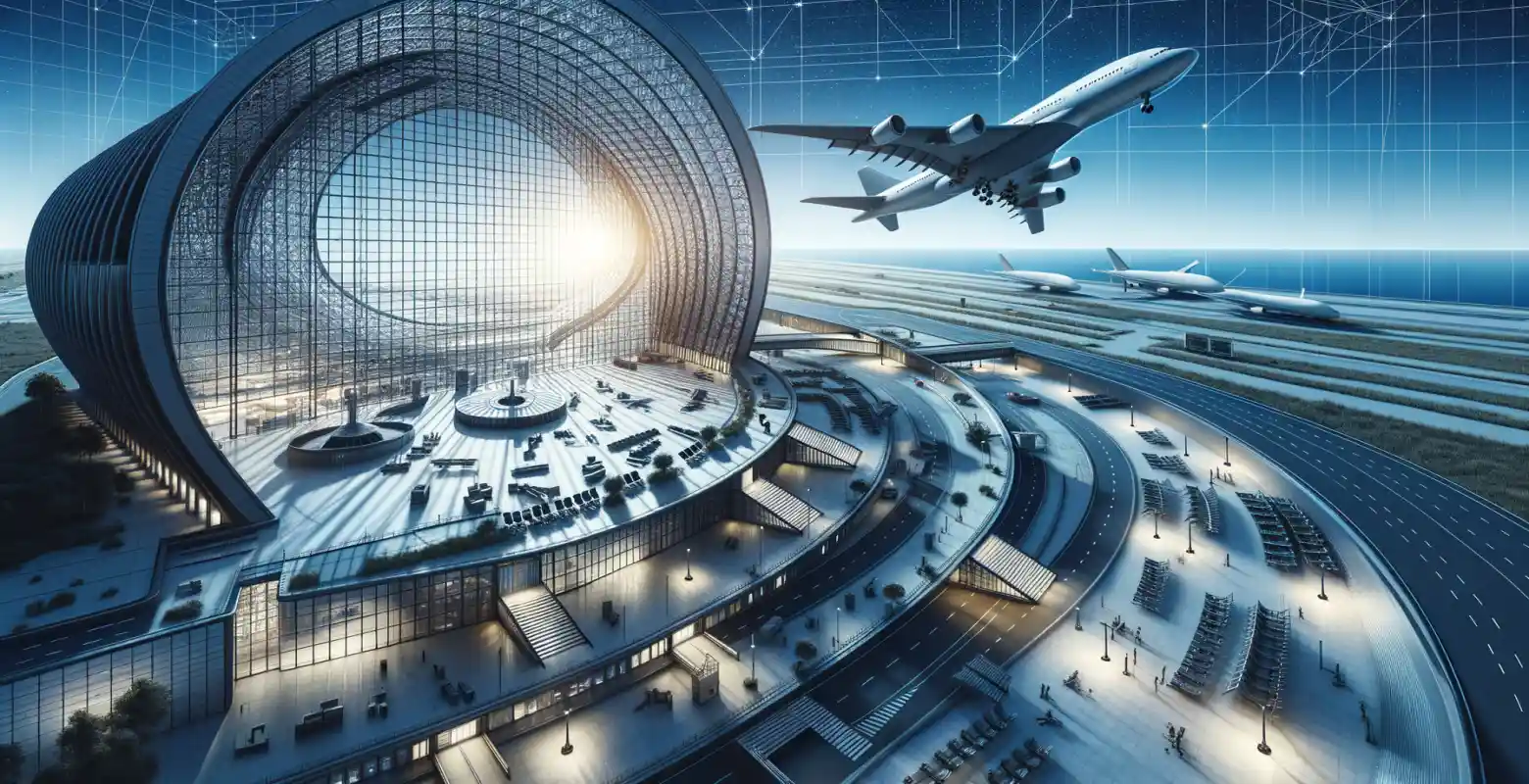
Planning of modern airport hubs
Introduction
Planning modern air hubs is a topic that is gaining importance in the context of globalization and the dynamic development of civil aviation. Air hubs, as key nodes in the air transport network, play a crucial role in connecting cities and countries, thereby supporting economic and social development. In an era of increasing numbers of passengers, complexity of air operations, and technological progress, efficient planning and development of these hubs becomes a priority for the aviation industry. In this article, we will explore how planning modern air hubs impacts operational efficiency, passenger service quality, and sustainable development.
The Significance of Air Hubs in the Contemporary World
Air hubs are a crucial element of the global transport network. They enable efficient air traffic management and optimization of connections between different regions. In the era of globalization, when international travel has become commonplace, air hubs allow for minimizing transfer times and increasing destination accessibility. For example, airports such as Heathrow in London, Frankfurt in Germany, or Dubai serve as central hubs for various airlines, offering passengers easy access to hundreds of destinations worldwide.
History and Evolution of Air Hubs
The beginnings of air hubs date back to the 1950s and 1960s when air traffic began to accelerate. The first major airports, such as O'Hare in Chicago or JFK in New York, started to function as transfer hubs. Over the years, the development of aviation technology and the increasing demand for international travel have contributed to the expansion of airport infrastructure and the growing importance of hubs as central operational points. Currently, air hubs are not only transfer points but also commercial, business, and cultural centers.
Modern Technologies in Air Hub Planning
Modern air hubs utilize advanced technologies that enable efficient management of passenger and air traffic. Air Traffic Management Systems (ATMS), automation of check-in processes and security controls, and the use of artificial intelligence for passenger data analysis are just some of the innovations that improve service quality and safety. Additionally, technologies such as biometrics allow for quicker and more secure passenger identification, contributing to the smooth operation of airports.
Challenges Associated with Air Hub Development
Planning and developing modern air hubs is a process that comes with numerous challenges. One of the main issues is ensuring adequate capacity of airport infrastructure in the face of increasing numbers of passengers. Additionally, air hubs must address the issue of sustainable development, including reducing CO2 emissions and minimizing environmental impact. In the context of global climate change, airports must invest in environmentally friendly technologies and promote sustainable operational practices.
The Future of Air Hubs
The future of air hubs will be determined by the growing demand for efficient and sustainable transportation solutions. It can be expected that in the coming years, there will be further development of technologies related to automation and digitization of airport processes. Airports will also need to invest in the development of transportation infrastructure, enabling easy access to city centers and integration with other modes of transport. Additionally, due to increasing ecological awareness, air hubs will have to implement innovative energy management and environmental protection solutions.
Summary
Planning modern air hubs is a key element in the development of the global air transport network. Through the application of advanced technologies, innovative infrastructure solutions, and a commitment to sustainable development, air hubs can meet the challenges of the future. Their role as central nodes in the global transport network will continue to grow, contributing to the improvement of passenger service quality and supporting economic and social development worldwide. Ensuring the efficient and sustainable operation of air hubs requires continuous adaptation to changing conditions and passenger expectations, which presents a challenge but also offers opportunities for the future.



Number of comments: 0