

The future of low-cost airlines
Introduction
In recent decades, low-cost airlines have revolutionized the aviation industry by offering affordable travel for millions of passengers worldwide. With globalization and increased mobility, budget carriers have become a key element of the aviation market. However, they are currently facing challenges stemming from the COVID-19 pandemic, changes in consumer preferences, and growing environmental pressure. In this article, we will analyze the future of low-cost airlines, pondering their role in the future and the changes that may occur in the coming years.
History and Development of Low-Cost Airlines
Low-cost airlines began gaining popularity in the 1970s when the American company Southwest Airlines introduced a new business model focused on reducing operational costs and offering low ticket prices. This model quickly gained popularity in Europe through carriers such as Ryanair and easyJet. Key elements of this model included simplified fare structures, lack of complimentary additional services, and intensive use of uniform fleet aircraft.
Impact of the COVID-19 Pandemic on the Industry
The COVID-19 pandemic has had a significant impact on the aviation industry, including low-cost airlines. A drastic drop in demand for air travel and restrictions imposed by governments worldwide forced carriers to suspend flights and reduce costs. Many of them had to seek ways to survive through renegotiating lease agreements, reducing employment, or seeking financial support.
Changing Consumer Preferences
The crisis caused by the pandemic has also led to changes in consumer preferences. The importance of booking flexibility is increasing, forcing airlines to offer more traveler-friendly refund and ticket change policies. Additionally, travelers are paying more attention to health and safety issues, requiring airlines to make additional investments in sanitary-epidemiological procedures.
Environmental Pressure and Sustainable Development
Modern society is placing increasing emphasis on sustainable development, which is impacting the aviation industry. Low-cost airlines, due to the high number of short routes and flight frequency, are under particular pressure to reduce CO2 emissions and implement more environmentally friendly solutions. In response, some carriers are beginning to invest in modern, more fuel-efficient aircraft and seek alternative sources of energy.
Technological Innovations and Future Trends
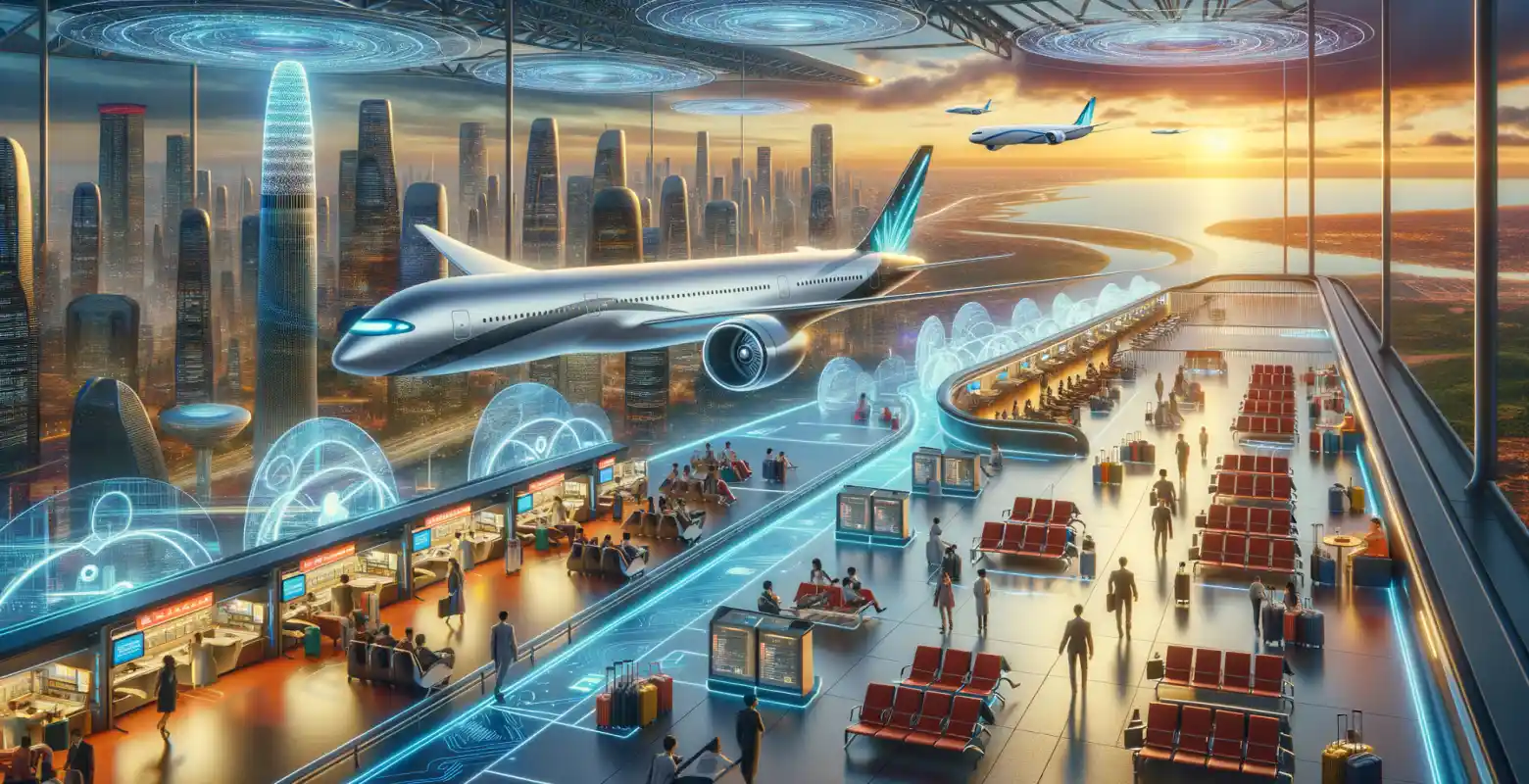
Technology plays a key role in the future of low-cost airlines. Introducing new technologies such as artificial intelligence, process automation, or service personalization can significantly increase operational efficiency and improve customer experiences. Low-cost airlines are also engaged in developing new business models, such as suborbital flights, which could open up new opportunities in the market.
Challenges and Opportunities for the Future
Although low-cost airlines face many challenges, there are also numerous opportunities for their development. The growing market for individual travel, the development of regional tourism, and the potential of emerging markets are just some of the areas where carriers can gain a competitive advantage. However, the key will be to adapt effectively to changing market conditions and customer expectations.
Summary
Low-cost airlines have played a significant role in transforming the aviation industry, making travel more accessible and contributing to globalization. Faced with challenges related to the pandemic, changing consumer preferences, and environmental pressure, their future depends on adaptability and innovation. Carriers that can adjust their business models to new realities and effectively invest in technology and sustainable development have the opportunity to continue playing a key role in the aviation market.



Number of comments: 0