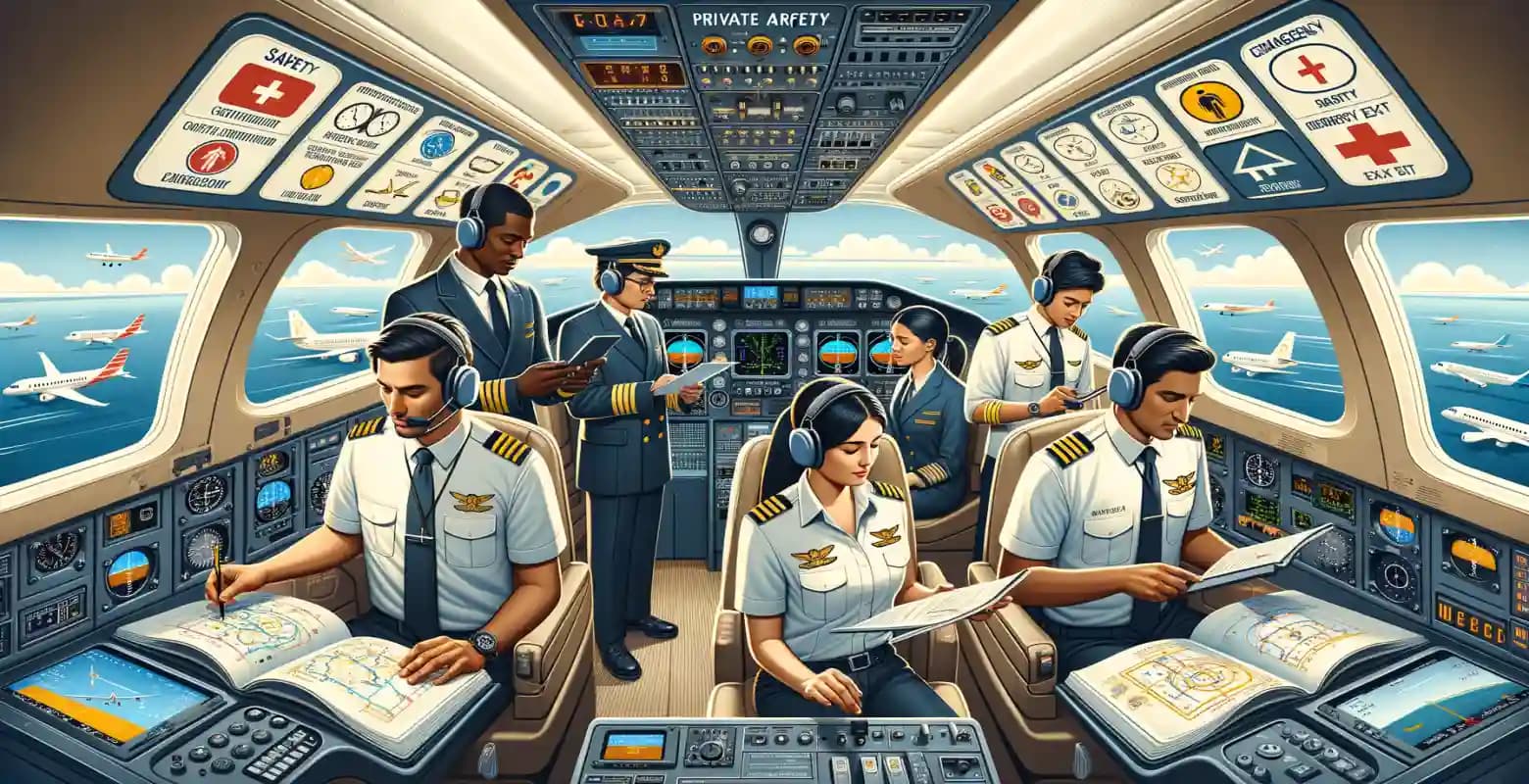
Safety in private aviation
Introduction
Private aviation is becoming increasingly popular among wealthy individuals and companies who value convenience, privacy, and travel flexibility. However, with the increase in private flights, the importance of safety in this field is also growing. Safety in private aviation is not only a matter of protecting passengers and crew but also safeguarding aircraft and airport infrastructure. In this article, we will examine various aspects of safety in private aviation, analyzing both the historical background and future challenges and trends.
History of Safety in Private Aviation
Private aviation has its roots in the early 20th century when flights were mainly available to aviation pioneers and enthusiasts. As technology advanced and aircraft became more accessible, private aviation became more popular. However, similar to commercial aviation, safety became a key factor for success.
Over the years, many regulations and standards have been introduced to ensure flight safety. The International Civil Aviation Organization (ICAO) and national agencies such as the Federal Aviation Administration (FAA) in the United States have developed guidelines for both aircraft and crew. The introduction of more advanced technologies in avionics and navigation systems has also contributed to enhancing safety in private aviation.
Technology and Safety in Private Aviation
Modern private aviation benefits from advanced technology that significantly enhances safety levels. Systems such as ADS-B (Automatic Dependent Surveillance–Broadcast) allow for more precise tracking of aircraft positions, which is crucial in avoiding collisions.
Modern aircraft are also equipped with advanced autopilot systems that can take control of the aircraft in critical situations. TCAS (Traffic Collision Avoidance System) alerts pilots to approaching aircraft, and EGPWS (Enhanced Ground Proximity Warning System) prevents collisions with the ground.
Pilot and Crew Training
In private aviation, similar to commercial aviation, crew training is crucial for ensuring safety. Pilots must undergo regular training and simulations of emergency situations to be prepared for any eventuality. Many companies offering private flights invest in advanced training programs that cover both theory and practice.
In addition to pilots, ground staff and technical personnel also undergo regular training aimed at preventing accidents and maintaining aircraft in top technical condition.
Regulations and Safety Standards
Regulations regarding safety in private aviation are closely linked to international standards such as those developed by ICAO. Many countries also have national regulatory agencies that oversee compliance with safety regulations.
In the United States, the FAA plays a key role in establishing rules and regulations concerning private aviation. Their regulations include requirements for aircraft certification, crew training, and aircraft maintenance.
Challenges in Private Aviation Safety
Despite technological and regulatory advancements, private aviation still faces challenges in safety. One of them is the increasing number of flights, leading to greater airspace congestion. This, in turn, increases the risk of collisions and requires more advanced air traffic management.
Another challenge is maintaining high safety standards in smaller companies offering private flights. Not all of them have the same resources as major airlines, which can affect the quality of crew training and aircraft maintenance.
The Future of Safety in Private Aviation
The future of private aviation appears promising, especially considering the dynamic development of technology. The introduction of electric aircraft and passenger drones could revolutionize the sector, while posing new safety challenges.
It is expected that the development of artificial intelligence and automation will further increase flight safety. AI systems can help in faster detection and response to potential threats, significantly reducing the risk of accidents.
Summary
Safety in private aviation is an extremely important aspect that requires continuous attention and development. Thanks to technological advancements, regulations, and training, private aviation is becoming increasingly safe. However, the growing popularity of private flights and the emergence of new technologies present us with new challenges. Therefore, it is crucial for both authorities and companies involved in private aviation to continue investing in safety to ensure passengers and crew the highest level of protection.