

Technologies used at modern airports
Introduction
In today's rapidly changing world, air travel has become an integral part of many people's lives. Airports, as key transportation hubs, must meet the challenges associated with the growing number of passengers and the need to ensure high levels of safety and efficiency. In response to these challenges, modern airports are implementing advanced technologies that revolutionize the way we travel. In this article, we will explore the technologies used at contemporary airports, their advantages, and future trends that may further enhance our air travel experiences.
Automation of Check-in Processes
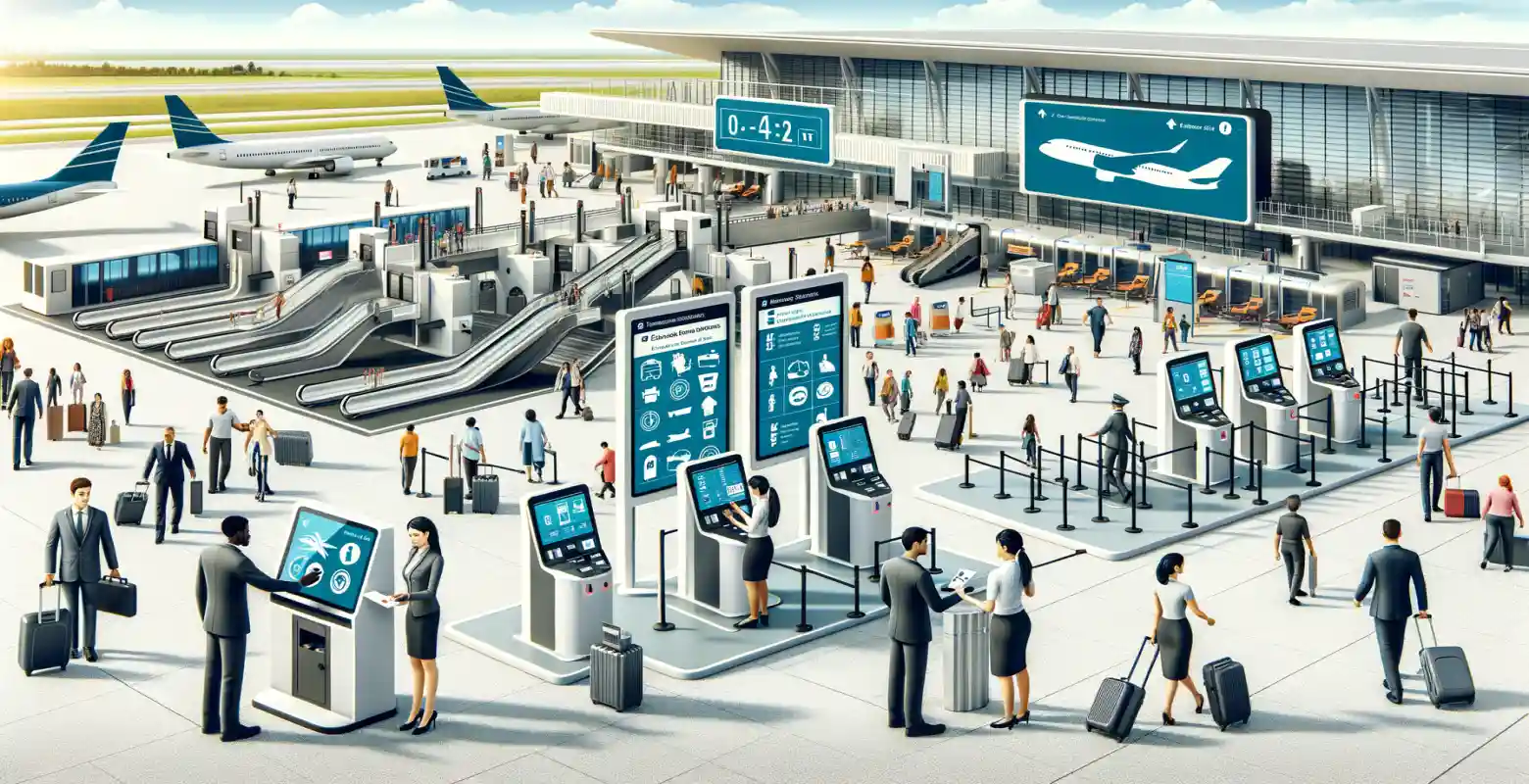
Smart self-service check-in kiosks have become a standard at many airports worldwide. They allow passengers to check in independently, print boarding passes, and baggage tags. This reduces waiting times in queues and lightens the workload on airport staff. Such solutions are particularly significant in the context of the COVID-19 pandemic, where minimizing interpersonal contact is crucial for health safety.
Additionally, facial recognition technologies and biometric identity verifications are gaining popularity. These systems enable faster and more accurate confirmation of passengers' identities at security checkpoints and boarding gates. This approach not only speeds up the process but also enhances security levels.
Advanced Security Systems
Security is one of the most critical aspects of airport operations. Modern technologies help ensure the highest level of protection for both passengers and staff. Intelligent scanning systems, utilizing advanced technologies such as computed tomography, allow for more detailed and precise detection of potential threats in carry-on luggage.
The implementation of threat detection systems based on artificial intelligence enables quick and efficient analysis of data from cameras and other sensors at the airport. Learning algorithms can identify suspicious behaviors and immediately alert the appropriate authorities, significantly speeding up responses to potential threats.
Efficient Air Traffic Management
Contemporary airports must handle vast numbers of flights daily, requiring effective air traffic management. Air Traffic Management (ATM) systems utilize advanced technologies such as GPS and satellite communication to ensure safe and efficient coordination of take-offs and landings.
Predictive systems, which analyze weather conditions and airspace traffic, assist in making operational decisions, reducing the risk of delays and increasing airport throughput.
Environmentally Friendly Infrastructure
Facing climate change and growing ecological awareness, airports are investing in environmentally friendly technologies. Renewable energy, such as solar panels and wind turbines, is increasingly used to power airport infrastructure.
Airports are also implementing intelligent energy management systems that optimize energy consumption by automatically adjusting lighting and air conditioning to current needs. This leads to reduced CO2 emissions and operational costs.
Communication and Information for Passengers
Modern airports utilize mobile applications and digital information boards to provide passengers with real-time information about their flights, gates, and available services. These solutions enhance travel comfort, enabling passengers to better plan their time at the airport.
Many airports are also investing in Augmented Reality (AR) systems, allowing interactive navigation through terminals and presenting information about available services and promotions.
Challenges and Future Trends
Despite the many benefits advanced technologies bring, implementing them at airports poses certain challenges. Investment costs and the need to update infrastructure may be barriers for smaller airports. Additionally, issues related to data protection, especially when using biometric technologies, are subject to ongoing debates.
In the future, further development of technologies such as Internet of Things (IoT) is expected, enabling even more automated and intelligent management of processes at airports. Furthermore, the advancement of 5G technologies may contribute to improved communication and data throughput.
Summary
Technologies employed at modern airports play a crucial role in improving efficiency, safety, and passenger comfort. Implementing automation, advanced security systems, efficient traffic management, and environmentally friendly technologies is essential to meet contemporary challenges. The development of these technologies will have a significant impact on the future of airports, making air travel more sustainable and passenger-friendly. At the same time, it is important not to overlook the ethical and legal aspects associated with their implementation.



Number of comments: 0