

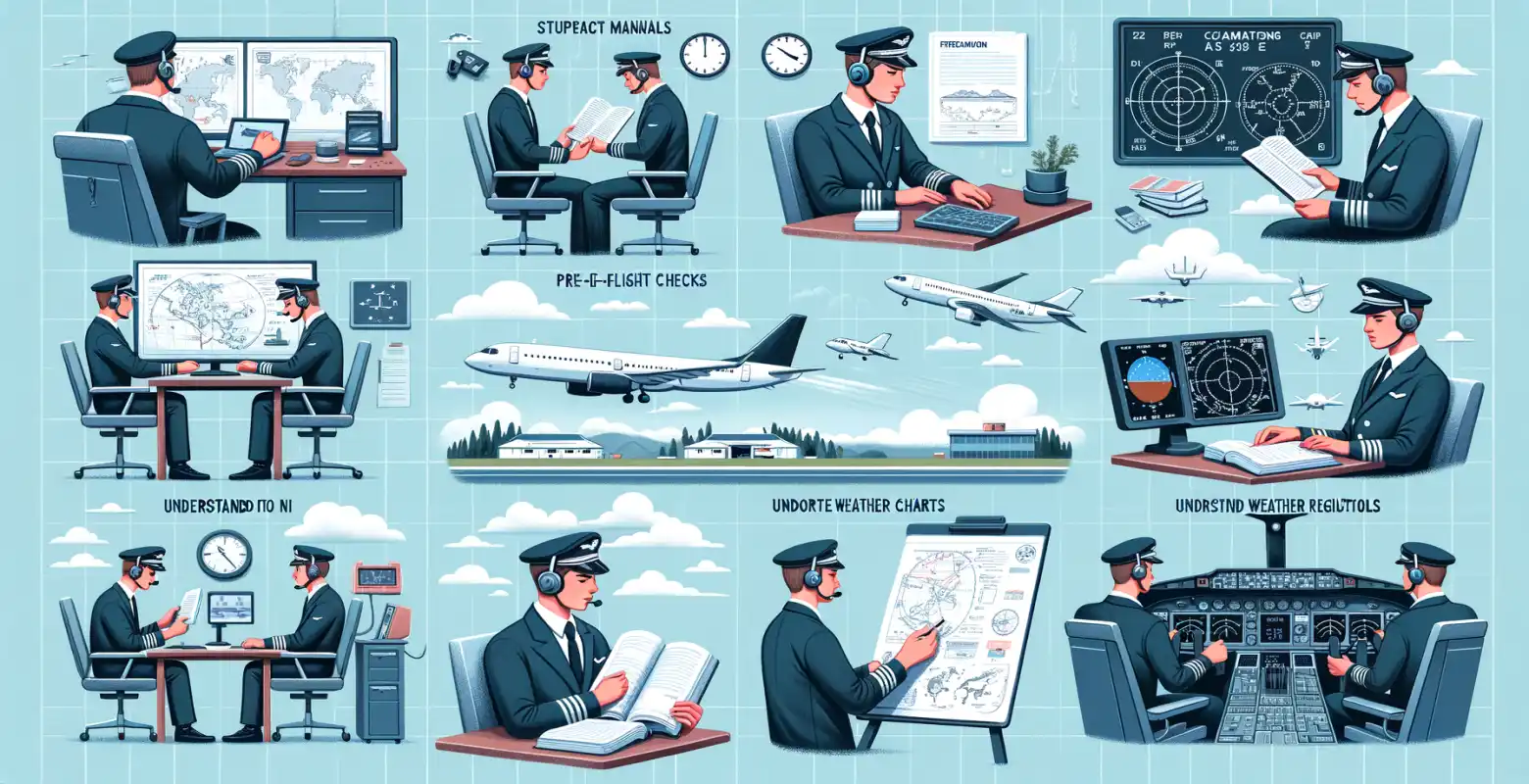
Pilot exams - how to prepare?
Introduction
Pilot exams are an essential element of the training process, aiming to ensure that candidates have the necessary skills and knowledge to safely and efficiently operate aircraft. In the era of increasing demand for pilots in both civil and military aviation, preparation for these exams becomes particularly significant. In this article, we will discuss key aspects related to pilot exam preparation, including challenges, benefits, and future trends in this field. We encourage you to explore our guide, which will help both future pilots and those interested in the subject better understand the process of obtaining a pilot license.
Basics of Pilot Exams
Pilot exams cover both theoretical and practical parts. The theory includes a wide range of topics such as meteorology, navigation, flight principles, and aviation regulations. The practical part involves assessing the pilot's skills in real flight conditions. Before taking the exam, candidates must complete appropriate training at a certified flight school, which is a crucial step in the preparations.
Theoretical Preparation for Exams
The theoretical part of the exam is often perceived as more demanding as it requires a thorough understanding of various topics. It is advisable to start preparations well in advance. Using educational materials such as textbooks, flight simulators, and online courses can help in understanding complex concepts. Additionally, regular participation in theoretical classes and solving practical tests helps reinforce the acquired knowledge.
Practical Preparation for Exams
The practical part of the exam requires candidates to demonstrate effective piloting skills in various weather conditions and emergency situations. Practical training is usually conducted under the supervision of an experienced instructor who evaluates the student's progress. During these sessions, candidates should focus on mastering aviation maneuvers, communication with air traffic control, and navigation. Flight simulators can also be valuable tools in preparations, allowing practice of virtual scenarios without risks.
Challenges in Pilot Exam Preparation
Preparing for pilot exams presents many challenges. It requires not only a significant time and effort investment but also the ability to cope with stress and pressure. Many candidates may struggle to balance their daily responsibilities with an intensive training schedule. Therefore, effective time management and utilizing available resources and support, such as study groups or mentors, are crucial.
Benefits of Obtaining a Pilot License
Despite numerous challenges, obtaining a pilot license brings many benefits. For many, it fulfills their dream of flying. A pilot license opens doors to various career opportunities, from working in commercial aviation to a military aviation career. Additionally, being a pilot provides a sense of independence and satisfaction from performing responsible tasks. It is worth noting that pilots often enjoy numerous benefits, such as traveling to different parts of the world.
Future Trends in Pilot Training
Pilot training constantly evolves with technological advancements and changes in the aviation industry. One key trend is the increasing use of virtual reality (VR) and augmented reality (AR) technologies in the training process. These technologies enable more realistic and interactive simulations, which can significantly enhance training quality. Moreover, the development of automation and artificial intelligence may impact future requirements for pilots, changing how they are trained and certified.
Summary
Preparing for pilot exams is a complex process that requires commitment, discipline, and adequate resources. Despite many challenges, the benefits of obtaining a pilot license are significant. With the advancement of technology and the aviation industry, the future of pilot training seems promising. We encourage all those interested in a career in aviation to take on the challenges associated with exam preparations, remembering the available tools and support that can facilitate this process. Regardless of future changes in this field, one thing is certain – the passion for flying will remain strong.




Number of comments: 0