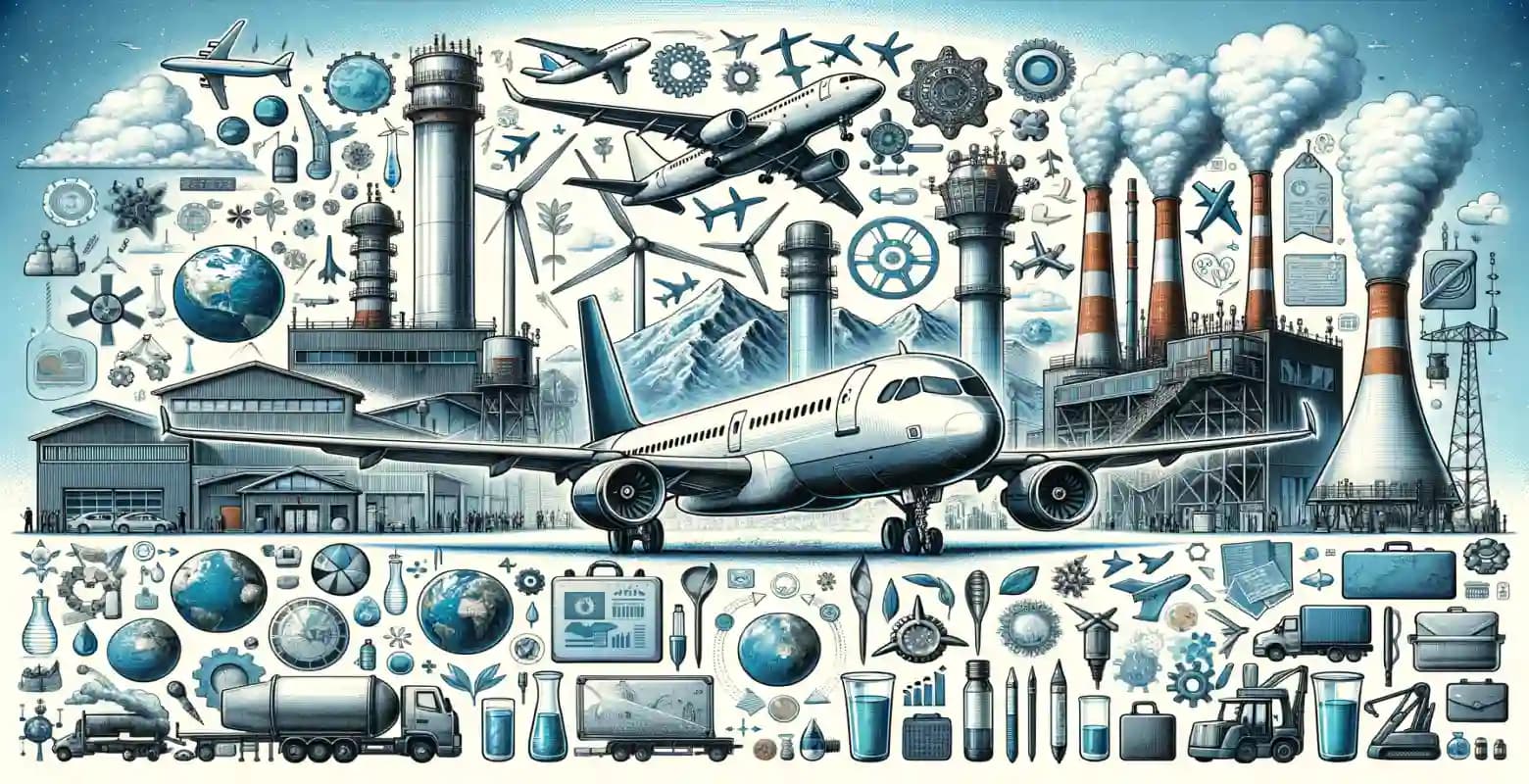
Environmental regulations in aviation
Introduction
In the face of growing concerns about climate change and environmental degradation, environmental regulations in aviation are becoming increasingly important. Aviation, being one of the fastest-growing transportation sectors, has a significant impact on the natural environment. The introduction of regulations aimed at reducing greenhouse gas emissions and noise is crucial for the sustainable development of this sector. In this article, we will analyze how these regulations affect the aviation industry, what their main objectives and challenges are, and what trends may shape the future of environmentally friendly aviation.
Environmental Challenges in Aviation
Aviation is responsible for a significant portion of global carbon dioxide (CO2) emissions. According to the International Civil Aviation Organization (ICAO), this sector generates about 2% of all CO2 emissions worldwide. In addition to greenhouse gas emissions, aviation contributes to air pollution and noise, which have a negative impact on human health and ecosystems.
The increase in the number of passengers and commercial flights poses a challenge for the aviation sector in reducing emissions while meeting the growing demand for air transport. Therefore, it is necessary to introduce effective regulations that will minimize aviation's negative impact on the environment.
International Regulations
The International Civil Aviation Organization (ICAO) is the main institution responsible for developing and implementing international regulations concerning environmental protection in aviation. ICAO has introduced a series of standards and recommendations aimed at reducing greenhouse gas emissions and noise.
One of the key mechanisms is The Carbon Offsetting and Reduction Scheme for International Aviation (CORSIA). CORSIA aims to stabilize the level of CO2 emissions from international aviation at the 2020 level by offsetting emissions through ecological projects.
European Union Policy
The European Union plays a leading role in promoting sustainable development in aviation. The European Green Deal aims to achieve net-zero emissions by 2050, which also includes the aviation sector. As part of this program, aviation has been included in the European Emissions Trading System (EU ETS), which requires airlines to hold appropriate CO2 emission allowances.
The EU also supports technological innovations through programs such as CLEAN SKY, which aim to develop new technologies that reduce the impact of aviation on the environment.
Technological Innovations in Aviation
Technological progress plays a key role in reducing the environmental impact of aviation. New propulsion technologies, such as hybrid and electric engines, can significantly reduce greenhouse gas emissions. Additionally, developing more aerodynamically efficient aircraft designs and using lighter materials leads to fuel consumption reduction.
Innovations in aviation biofuels represent another key area of research. Biofuels can reduce CO2 emissions by up to 80% compared to traditional aviation fuels. However, challenges related to biofuel production include issues related to costs and raw material availability.
Challenges and Future of Environmental Regulations in Aviation
Introducing and enforcing environmental regulations in aviation comes with a range of challenges. The costs of implementing new technologies and regulations can be significant, affecting airfare prices and the competitiveness of airlines. Additionally, the diversity of regulations at the international, regional, and national levels may lead to inconsistencies and implementation issues.
However, increasing social awareness and pressure from consumers for more environmentally friendly solutions may accelerate the development of sustainable aviation. In the future, we expect further technological innovations and stricter regulations, which will be crucial for achieving climate goals.
Summary
Environmental regulations in aviation play a crucial role in striving for the sustainable development of this sector. They contribute to the reduction of greenhouse gas emissions, air pollution, and noise, which are essential for environmental protection and public health. Despite the numerous challenges facing airlines and regulations, the future of aviation seems to be moving towards more environmentally friendly solutions.
It is worth noting that both airlines and passengers should engage in actions aimed at protecting our planet. For the industry, this means investing in new technologies, and for travelers, choosing more sustainable travel options. Ultimately, international and regional cooperation is crucial for the effective implementation of environmental regulations in aviation.