

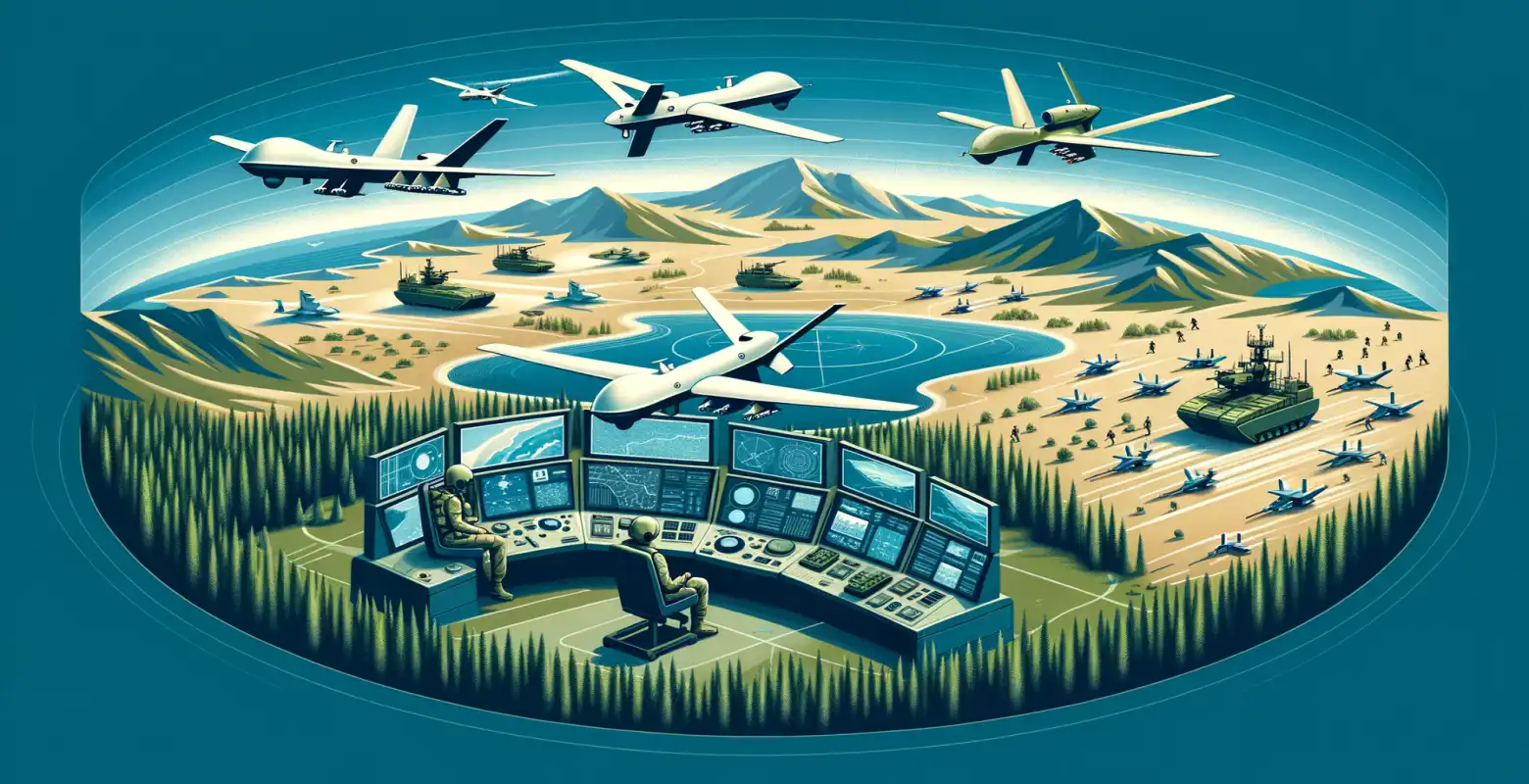
The role of combat drones in the modern army
Introduction
In recent decades, combat drones have revolutionized the way military operations are conducted worldwide. Modern armies increasingly turn to these technologies to enhance the effectiveness of their operations and improve the safety of soldiers. In this article, we will examine the role of combat drones in the modern military, analyzing their applications, benefits, challenges, and future. Understanding this subject is crucial for those interested in technological advancements and their impact on global security.
History and Development of Combat Drones
Drones, also known as unmanned aerial vehicles (UAVs), have a history dating back to the early 20th century. The first attempts to use drones in military operations took place during World War I, but it was only in recent decades that this technology reached its full potential.
In the 1980s and 1990s, significant progress was made in drone technology, allowing for their widespread use in various fields, including the military. A groundbreaking moment was the Gulf War in 1991, where drones were first used for reconnaissance missions on a large scale.
Application of Combat Drones in Military Operations
Combat drones play a crucial role in various military operations. One of their primary uses is reconnaissance and gathering intelligence. Drones can move into hard-to-reach areas, providing valuable information about enemy movements and terrain conditions.
In addition to reconnaissance, combat drones are also used for precision targeting. Thanks to advanced technology such as GPS guidance systems and thermal imaging cameras, drones can carry out strikes with high precision, minimizing the risk of collateral damage and civilian casualties.
Advantages of Using Combat Drones
One of the biggest advantages of combat drones is the ability to reduce risks to soldiers' lives. Through remote control, operations can be conducted without the involvement of a human pilot, eliminating the need to expose people to direct danger.
Combat drones also offer cost-effectiveness. Their maintenance and operation are cheaper compared to traditional military aircraft. Additionally, drones can carry out missions for longer periods without the need for refueling, increasing their operational flexibility.
Challenges and Limitations of Combat Drones
Despite numerous advantages, combat drones also pose several challenges for militaries. One of them is the ethical issue related to the use of drones for attacks. Decisions regarding attack targets are made remotely, raising questions about accountability for potential errors and civilian casualties.
Furthermore, drone technology is vulnerable to cyberattacks. An adversary may attempt to take control of a drone or disrupt its operations, posing a serious threat to military operations' security.
The Future of Combat Drones
The future of combat drones looks promising, with ongoing technological advancements and an expanding range of applications. Increased autonomy of drones, through the use of artificial intelligence, will enable them to carry out more complex missions without constant supervision from operators.
Another trend is the miniaturization of drones, allowing for their use in even more diverse conditions. Future drones are likely to be smaller, more agile, and harder to detect by enemy defense systems.
Summary
The role of combat drones in the modern military is invaluable. These technologically advanced devices revolutionize the way military operations are conducted, increasing operational efficiency and improving the safety of soldiers. While combat drones face certain challenges, their development potential and future applications are enormous.
As drone technology continues to evolve, it can be expected that their role in military strategies will increase, becoming an integral element of modern armed forces. For readers interested in further exploring the topic, it is worth following new trends and discoveries in this rapidly evolving field.


Number of comments: 0