

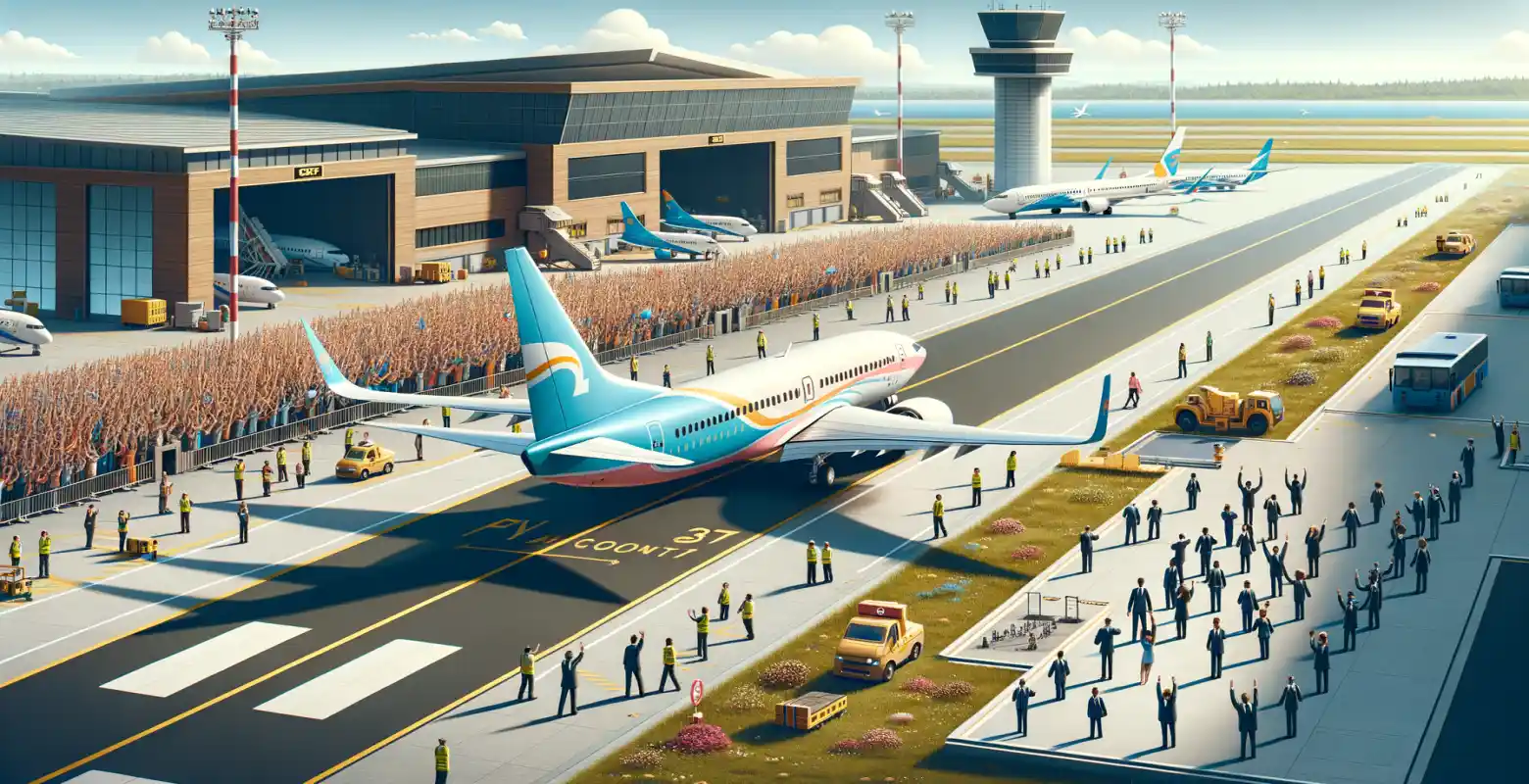
Debut of new airlines in the European market.
Introduction
In recent years, the aviation market in Europe has been experiencing dynamic changes. The emergence of new airlines is one of the key factors shaping this sector. In the era of globalization and increasing mobility of people, new airlines not only compete with existing giants but also introduce innovations and new approaches to aviation services. In this post, we will take a closer look at the debut of new airlines in the European market, analyzing the challenges they face, as well as the potential benefits they bring to both passengers and the entire industry.
New Airlines: Who is Entering the Market?
New airlines that have started operating in Europe in recent years include both local carriers and international companies looking to gain a piece of the European market. Among them, we find companies such as Norwegian Air Sweden, Wizz Air UK, and Flyr from Norway. Each of these airlines has its unique strategy and offer, making the competition increasingly diverse and interesting for consumers.
Why Are New Airlines Needed?
The introduction of new airlines to the European market is important for several reasons. Firstly, competition leads to lower ticket prices, which is beneficial for passengers. Secondly, new airlines often introduce innovations in customer service, flight schedules, and sustainable development, raising standards across the industry. Additionally, new airlines can better respond to changing market needs, offering, for example, more flexible travel options.
Challenges Faced by New Airlines
Entering the aviation market is not easy. New airlines must face many challenges, including high operating costs, legal regulations, and strong competition from established carriers. Particularly in Europe, where the market is already saturated, new airlines must find a niche or innovative approach to attract customers. Additionally, the COVID-19 pandemic has introduced additional complications, such as changing health and safety regulations and uncertainty about travel demand.
Competitive Advantages of New Airlines
Despite numerous challenges, new airlines also have their competitive advantages. Many of them manage to build a modern fleet that is more economical and environmentally friendly than older models used by traditional carriers. New airlines often leverage the latest technologies to optimize operations and improve passenger experience. Moreover, as new players in the market, they have the opportunity to build flexible business models that quickly adapt to changing market conditions.
Historical Context of Airline Development in Europe
Europe has a long history associated with the development of air transport. From the post-war era, when airlines began mass passenger transport, to the era of low-cost airlines in the 1990s, this market has undergone many transformations. Currently, we are witnessing another evolution in which new technologies and environmental awareness play a crucial role. New airlines fit into this context by offering innovative solutions and addressing contemporary challenges.
Future Trends: What Lies Ahead?
Looking to the future, several trends are likely to impact the development of the aviation market in Europe. Firstly, the increasing importance of sustainable development will encourage airlines to invest in more environmentally friendly technologies. Secondly, digitization and automation of processes may revolutionize how airlines manage operations and communicate with customers. Finally, growing service personalization may become a key factor in attracting passengers to new airlines.
Summary
The debut of new airlines in the European market is a phenomenon that has a significant impact on the entire aviation industry. While new airlines must face many challenges, their presence in the market also brings many benefits, such as improving competition, innovation, and better adaptation to passenger needs. In the future, we can expect further changes that will shape the way we travel. For consumers, this means greater choice and better services, while for the industry, it means the need to adapt to new realities.


Number of comments: 0