

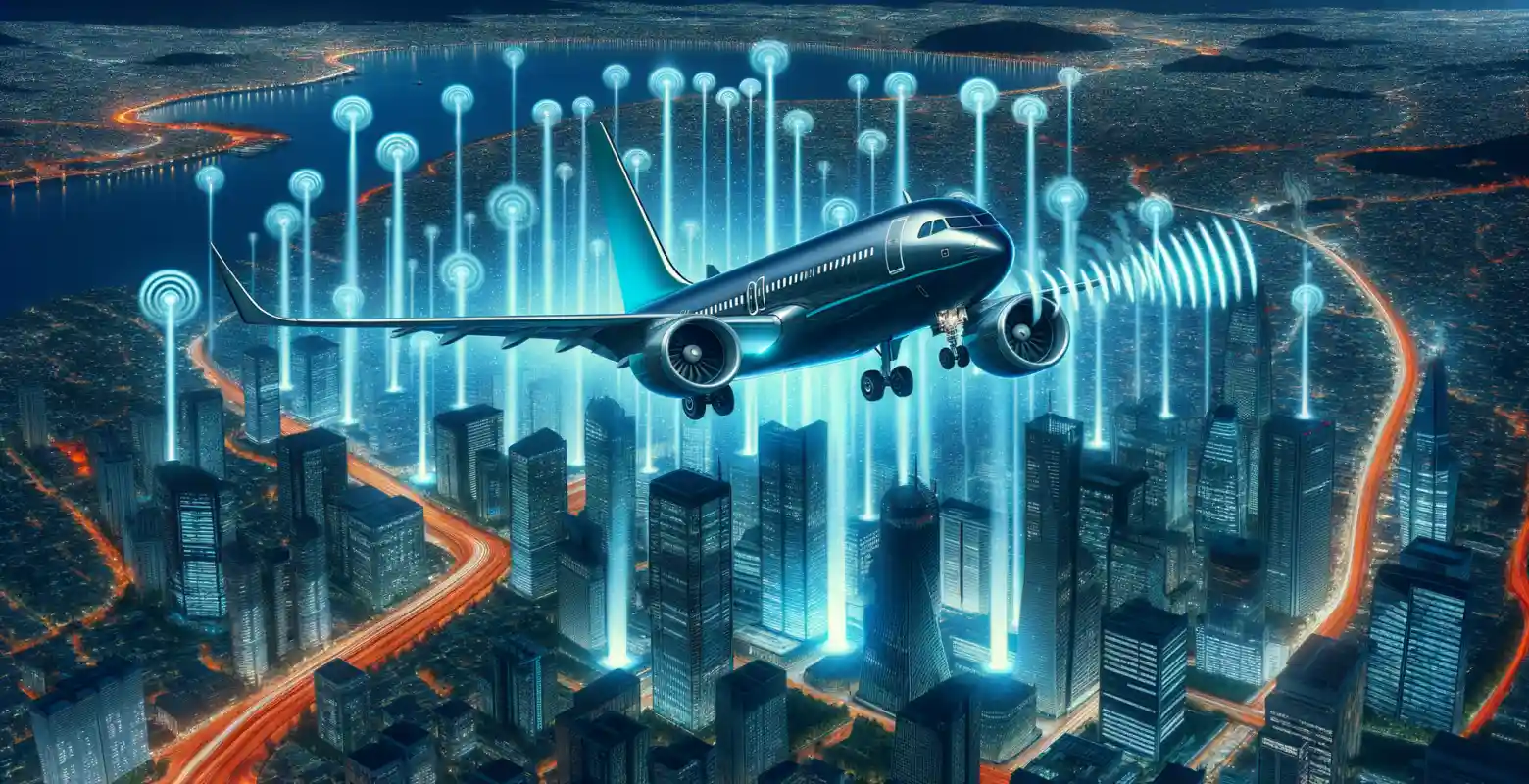
Aircraft noise reduction technologies - innovations for the year 2024
Introduction
In today's world, where air travel has become an essential part of our lives, the issue of noise generated by aircraft is becoming increasingly significant. Aircraft noise not only affects the comfort of passengers and crew, but also impacts communities living near airports, causing disruptions in daily life and negative health effects. Therefore, technologies aimed at reducing aircraft noise are a key element in the development of modern aviation. In 2024, we can expect many innovations that will revolutionize the way we perceive flights in terms of acoustics. In this article, we will examine modern technological solutions that aim to minimize the noise generated by aircraft and their impact on the environment.
History of Noise Reduction in Aviation
Noise reduction in aviation is not a new issue. Since the 1960s, when civil aviation began to rapidly develop, noise became the subject of intensive research and regulations. The introduction of turbofan jet engines brought a significant increase in noise levels, prompting manufacturers to seek technological solutions for its reduction.
Initially, the focus was on designing more efficient engines, which led to the introduction of engines with a higher bypass ratio. In recent decades, more advanced technologies have also been introduced, such as serrated exhaust nozzles and sound-absorbing materials in cabins, which have significantly reduced noise levels. Today, thanks to continuous research and innovation, aviation is facing the possibility of further reducing noise emissions while increasing fuel efficiency and reducing CO2 emissions.
Modern Noise Reduction Technologies
In 2024, there are many modern technologies on the horizon that have the potential to revolutionize noise reduction in aviation. Here are a few of them:
Electric Propulsion EnginesThe development of electric engines is one of the most promising directions in noise reduction. Electric engines generate significantly less noise than traditional jet engines because they eliminate the need for fuel combustion and reduce mechanical vibrations. In 2024, tests are planned for new hybrid and fully electric aircraft that can significantly reduce noise levels during both takeoff and landing.
Advanced Sound-Absorbing MaterialsSound-absorbing materials play a crucial role in reducing noise inside the aircraft cabin. Modern composites, such as low-density polymer foams and nanostructured layers, effectively absorb sounds, improving passenger acoustic comfort. In 2024, we can expect the introduction of new materials that are not only more efficient but also lighter and more environmentally friendly.
Innovative Wing and Fuselage DesignAerodynamic design directly impacts noise reduction. Changing the shape of wings and fuselages can significantly reduce air turbulence, which is one of the main causes of noise. In 2024, aircraft projects with adaptive wings are announced, which can dynamically adjust their positioning depending on the flight phase, minimizing generated noise.
Challenges and Future of Noise Reduction Technologies
Despite numerous benefits, noise reduction technologies in aviation face several challenges. Firstly, implementing new technologies involves high costs, which can be a barrier for some airlines. Additionally, integrating new solutions with existing airport infrastructure and aircraft fleets requires time and investment.
However, the prospects for the development of these technologies are promising. As regulations regarding noise emissions become increasingly stringent, airlines and manufacturers will be compelled to invest in more environmentally friendly and quiet solutions. In the long run, these technologies can contribute to creating a more sustainable and environmentally friendly aviation sector.
Summary
Technologies that reduce aircraft noise are a key element of modern aviation, impacting passenger comfort, the health of communities living near airports, and the overall environmental impact. In 2024, we can expect the introduction of many innovative solutions that will bring us closer to a more environmentally friendly and quieter aviation. Challenges related to costs and the integration of new technologies are still present, but growing environmental awareness and regulatory pressure will be the driving force for further investments in this area. We encourage you to follow the latest trends in this field as they have the potential to transform the future of aviation.



Number of comments: 0