

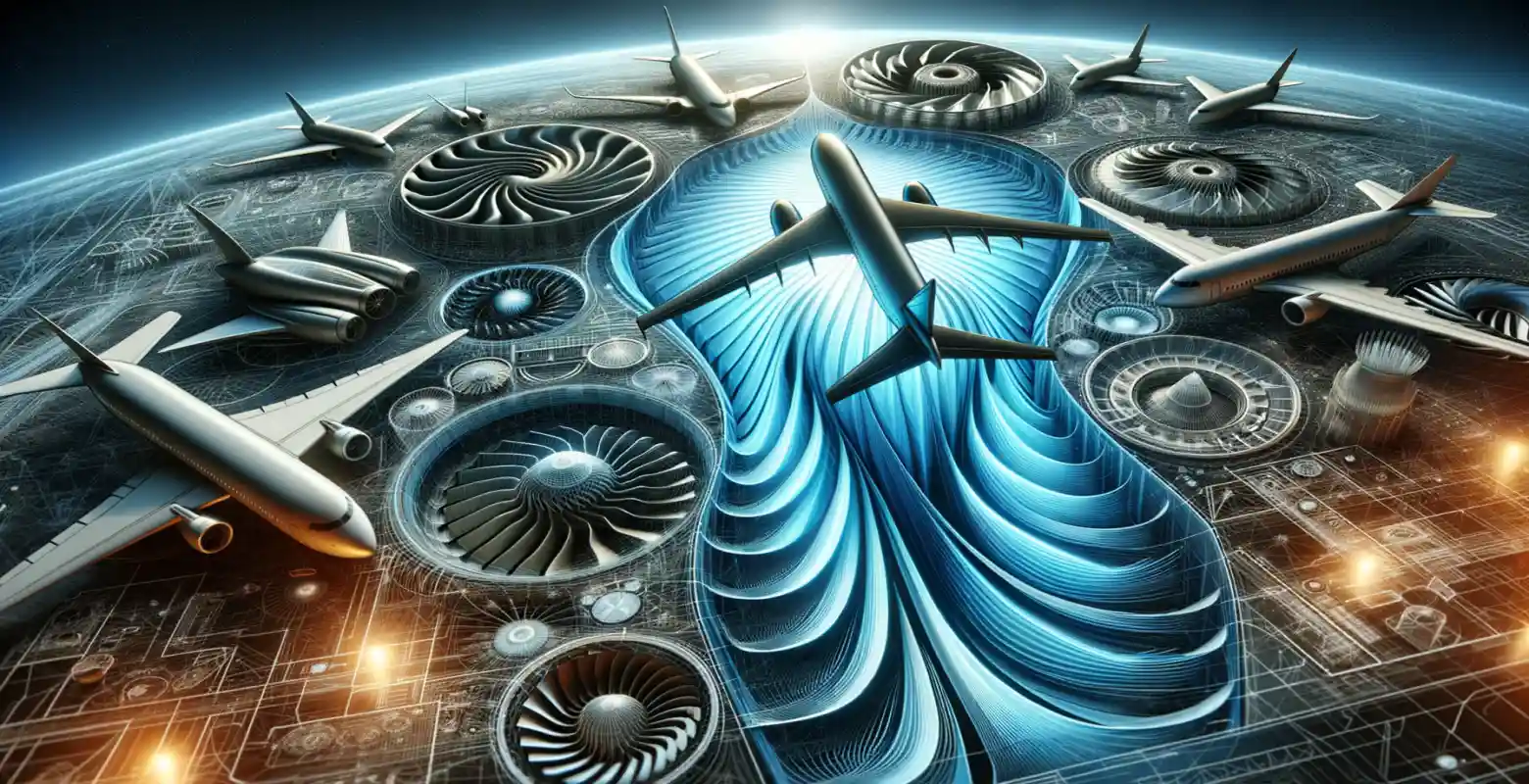
New aerodynamic solutions in wing designs
Introduction
Wings aerodynamics is a key element that affects performance, fuel efficiency, and flight safety. Modern aerodynamic solutions in wing constructions play a significant role in the development of aviation, both commercial and military. Changing requirements regarding fuel savings, emissions reduction, and improvement of flight performance force engineers to seek innovative solutions. This article aims to present the latest trends and technologies in wing aerodynamics, highlighting their significance and potential impact on the future of aviation.
Modern Materials and Production Technologies
One of the key aspects of modern wing constructions is the use of advanced composite materials. Materials such as carbon fibers or various forms of laminates offer significant benefits in terms of strength while simultaneously reducing weight. A lighter wing translates to lower fuel consumption, which is crucial in the context of increasingly stringent environmental regulations.
Innovative production technologies, such as 3D printing, allow for the creation of more complex aerodynamic structures that were previously impossible to achieve using traditional methods. This enables the design of more efficient wing profiles that minimize air resistance and improve overall machine performance.
Adaptive Wing Technologies
Adaptive technologies, such as wings with variable geometry, are playing an increasingly important role in modern aviation. These wings can change their shape in real-time, adapting to flight conditions. An example could be wings with flexible tips that automatically adjust to minimize resistance and improve fuel efficiency.
Another innovation is the so-called "morphing wings" - wings that can change their profile, allowing for aerodynamic optimization in different flight phases. This solution is applied in both civilian and military aviation, where flexibility and adaptation to changing conditions are crucial.
Bioinspired Solutions
Nature has long been inspiring engineers to create more efficient designs. Bioinspired solutions in wing aerodynamics are based on observing animals such as birds or bats, which have perfected the ability to fly over millions of years of evolution. An example could be wings with surfaces covered in microstructural patterns that mimic bird feathers, reducing air resistance.
Other innovations include the use of special shapes and structures that mimic natural forms, such as shark fins, which help reduce turbulence. Such solutions can lead to a significant improvement in aerodynamic efficiency, thereby reducing fuel consumption.
Airflow Control Systems
Advanced airflow control systems, such as active flaps or slots, allow for dynamic regulation of airflow around wings. These systems are particularly useful during takeoff and landing when control of the aircraft is crucial. Active airflow systems can also improve flight stability, reducing the risk of phenomena such as stall.
By using sensors and real-time control systems, it is possible to precisely monitor and adjust flight parameters, leading to increased safety and passenger comfort. Such technologies are becoming increasingly common in modern aircraft, both commercial and military.
Challenges and Future Trends
Despite significant technological advancements, engineers still face numerous challenges. One of them is the need to balance aerodynamic efficiency with production and maintenance costs. Modern technologies, although efficient, often come with higher costs, which can be a barrier to their widespread use.
However, the development of technologies such as artificial intelligence and computer simulations enables more precise design and testing of new aerodynamic solutions. In the future, we can expect even more advanced systems capable of autonomously optimizing flight, minimizing fuel consumption, and reducing the aviation industry's impact on the environment.
Summary
New aerodynamic solutions in wing constructions are a key element in striving for more efficient and environmentally friendly aviation. Innovations such as adaptive wings, airflow control systems, and bioinspired solutions open up new possibilities in designing the aircraft of the future. Their development and implementation will have a significant impact on the aviation industry, contributing to improved performance, safety, and sustainable development.
We encourage you to continue following the progress in this field and engage in discussions about future trends and technologies that may revolutionize the way we think about aviation. Our common goal is to create a more sustainable and environmentally friendly means of air transportation.

Number of comments: 0