

What are the latest training methods in the aviation industry?
Introduction
In today's world, aviation is one of the most dynamically developing sectors, making it a key element of the global economy. From passenger transport, through cargo transportation, to military operations, aviation influences many aspects of daily life. With growing requirements for safety, efficiency, and innovation, the industry is constantly seeking new training methods to meet these challenges. In this context, training in the aviation industry becomes not only an operational but also a strategic issue. In this article, we will examine the latest training methods used in this industry, their advantages, challenges, and future trends.
Flight Simulators: Virtual Reality in the Service of Learning
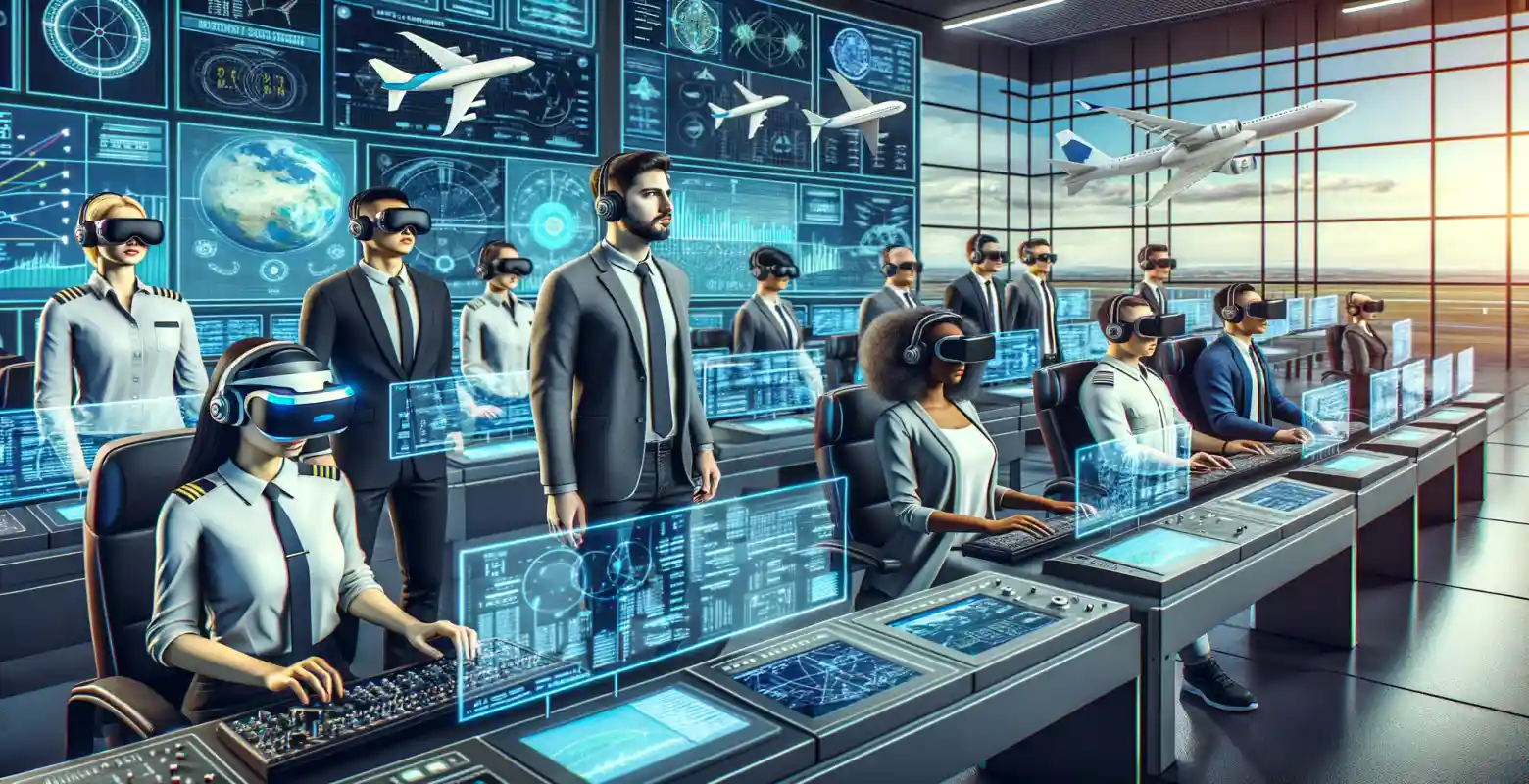
Flight simulators have been the foundation of pilot training for years. Thanks to technological progress, modern simulators offer an unprecedented level of realism. These simulations not only replicate flight conditions but also react to variable weather conditions, equipment failures, or other unforeseen situations. Virtual Reality (VR) in aviation training allows pilots to experience various scenarios in a completely controlled environment, significantly increasing their readiness to act in real situations.
VR also enables cost savings related to fuel and aircraft maintenance. Simulators are increasingly used not only for initial training but also for regular exercises and pilot skills assessment. With integrated analytical data, instructors can closely monitor the progress of trainees and adjust training programs to individual needs.
Adaptive Learning: Personalizing the Training Process
Adaptive learning is an approach gaining popularity in many industries, including aviation. It involves adapting teaching materials and methods to the individual needs and learning styles of each student. Technologies based on Artificial Intelligence (AI) play a crucial role here, analyzing data on students' progress and suggesting the most effective learning paths.
In the context of aviation, adaptive learning may include personalized theoretical modules, practical exercises in simulators, or interactive sessions with instructors. This allows pilots to learn at a pace that is most effective for them, increasing not only the effectiveness of training but also participants' motivation.
Online Training and E-Learning: Accessibility and Flexibility
In the age of digitalization, online training has become an integral part of many educational programs. In the aviation industry, e-learning offers numerous benefits, such as access to materials from anywhere and at any time, which is particularly important for employees with varying work schedules. E-learning platforms also allow for regular content updates, crucial in an industry that is rapidly changing and evolving.
One of the challenges associated with e-learning is ensuring the appropriate level of interaction and practical experience necessary in aviation training. Therefore, many programs combine online training with practical sessions, ensuring comprehensive skill development for participants.
Crisis Management Training: Preparedness for the Unforeseen
In aviation, preparedness for crisis situations is one of the most critical elements of training. Crisis management training focuses on developing skills such as decision-making under pressure, teamwork, and communication in stressful situations. Modern training methods often utilize crisis simulations that reflect real threats and require participants to act quickly and effectively.
Integration of new technologies, such as Augmented Reality (AR), allows for even more realistic and engaging training experiences. Participants can, for example, practice reactions to various technical failures or emergency situations, preparing them for action in real conditions.
The Future of Training in the Aviation Industry: Trends and Innovations
Looking ahead, several key trends are likely to impact training in the aviation industry. Automation and the development of unmanned technologies will require new skills and knowledge from future pilots and aviation personnel. Consequently, training programs will need to adapt to incorporate these changes.
Additionally, the increasing importance of sustainable development in aviation will influence training content, focusing on fuel efficiency, emission reduction, and resource management. As technologies advance, training is expected to become increasingly data-driven, allowing for more personalized and effective educational programs.
Summary
Modern training methods in the aviation industry play a crucial role in ensuring the safety and efficiency of aviation operations. By utilizing innovative technologies such as VR simulators, adaptive learning, and e-learning, the industry can meet growing requirements and challenges. The future of aviation training will undoubtedly be tied to further technological development and adaptation to changing conditions and needs. For individuals interested in a career in aviation, understanding and engaging in these modern methods are key to success.


Number of comments: 0