

Military aviation in rescue operations
Introduction
Military aviation plays a crucial role in rescue operations worldwide, offering swift transportation, advanced technology, and specialized assistance in crisis situations. From natural disasters to medical evacuations to search and rescue missions, military aircraft and helicopters are invaluable assets in rescue operations. Understanding how air forces support these operations is essential from both a strategic and humanitarian standpoint. In this article, we will examine why military aviation is so important in rescue operations, its applications, the challenges associated with it, and the trends that may shape its future.
The Role of Military Aviation in Rescue Operations
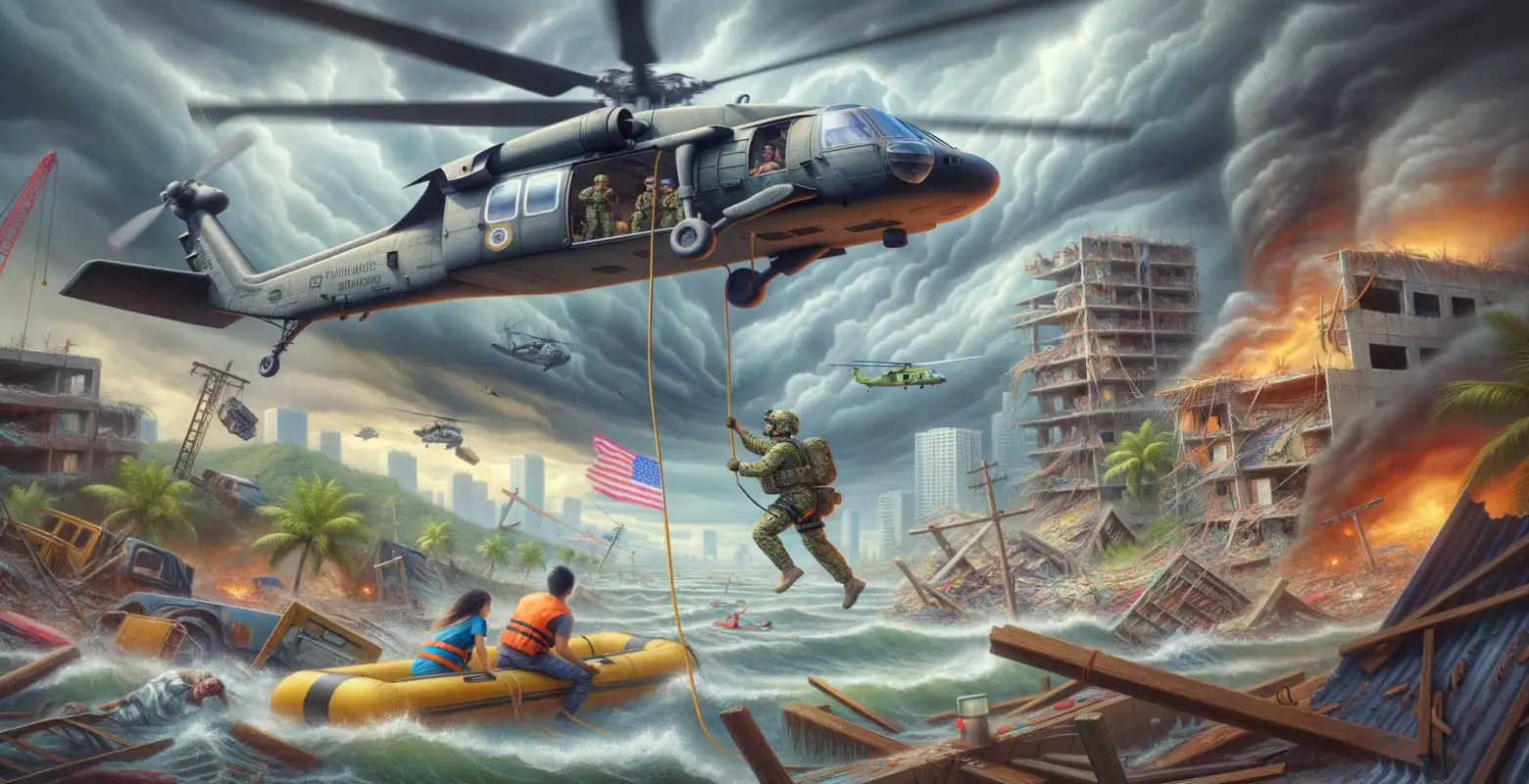
Military aviation serves various functions in rescue operations. The most visible is the rapid response and the ability to move into hard-to-reach areas. Military helicopters, such as the Black Hawk, are particularly useful in medical evacuations and delivering humanitarian aid where other means of transportation are inaccessible. Transport aircraft, like the C-130 Hercules, can transport large amounts of supplies and personnel in a short amount of time.
Military aviation also collaborates with other governmental agencies and international organizations to ensure coordination in rescue operations. Joint exercises and training enhance the efficiency of such operations and enable quick adaptation to changing conditions.
Historical Examples of Military Aviation Utilization
History shows many examples where military aviation has played a key role in rescue operations. After the 2010 earthquake in Haiti, the U.S. Air Force was among the first to deliver humanitarian aid, utilizing its rapid transport capabilities. A similar scenario occurred during Typhoon Haiyan in the Philippines in 2013, where military aviation from various countries collaborated in delivering aid and evacuating the affected population.
In Europe, military aviation was invaluable during floods in Germany and Poland, where helicopters were used to rescue people from rooftops and deliver food and water. Such actions demonstrate the importance of having specialized aviation resources in crisis situations.
Technical Aspects and Challenges
Despite its effectiveness, military aviation faces numerous technical and logistical challenges. Maintaining equipment readiness, especially in adverse weather conditions, requires significant resources and efforts. Aviation technology must be continuously updated to meet new threats and requirements.
Another challenge is coordinating actions with other rescue services. In crisis situations where time is critical, precise communication and cooperation among different units are essential. Therefore, military aviation often conducts joint exercises with other agencies to enhance efficiency and response speed in emergency situations.
Advantages of Using Military Aviation in Rescue Operations
One undeniable advantage of military aviation is its rapid response capability and the ability to operate in challenging and inaccessible areas. Helicopters can land in places where other vehicles cannot access, making them ideal for evacuation and aid delivery. Military aviation also has advanced medical equipment on board, which is crucial in saving lives.
Additionally, military aviation can operate autonomously for extended periods, which is invaluable in situations where infrastructure is destroyed or non-existent. Thanks to advanced technology such as navigation and communication systems, they can carry out complex operations even in challenging weather conditions.
The Future of Military Aviation in Rescue Operations
The future of military aviation in rescue operations looks promising, especially considering technological advancements. The development of drones and autonomous aviation systems could revolutionize the way rescue operations are conducted. Drones can be used for rapid terrain reconnaissance and delivering small aid payloads to hard-to-reach areas.
Furthermore, the advancement of technologies like artificial intelligence and advanced communication systems will enhance the efficiency and response speed of military aviation. International cooperation and experience exchange between countries will be crucial for further developing these capabilities.
Summary
Military aviation plays an invaluable role in rescue operations, offering fast and effective transportation and support in crisis situations. With advanced technology and trained crews, it can operate in the most challenging conditions and deliver aid where it is most needed. Despite numerous technical and logistical challenges, the future of military aviation in this field looks promising, especially considering technological progress and international cooperation. Military aviation remains a key element of global rescue operations, and its development will continue to support the effectiveness of humanitarian operations worldwide.


Number of comments: 0