

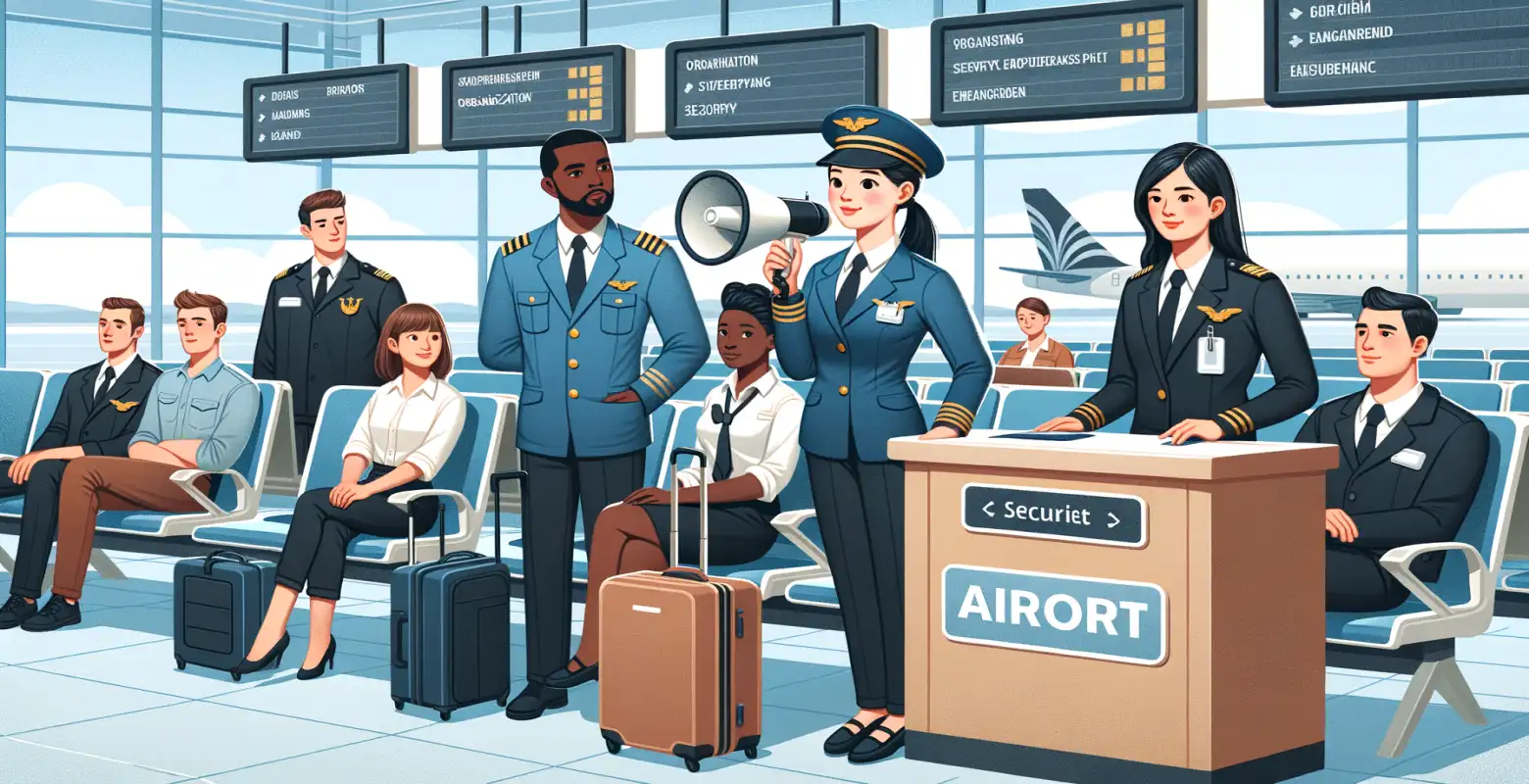
What skills are key for airport employees?
Introduction
Airports are one of the key elements of transportation infrastructure worldwide. Every day, millions of people use airport services, making them places with high traffic intensity that require excellent organization and management. In response to increasing demands regarding security, customer service, and logistics, the skills of airport employees are crucial to ensure the smooth functioning of these facilities. In this article, we will examine what skills are necessary for airport employees, why they are so important, and what challenges and trends we can observe in this industry.
Interpersonal and Communication Skills
Working at an airport requires constant interaction with people - both passengers and other employees. Therefore, interpersonal and communication skills are extremely important. Airport employees must be able to effectively communicate both orally and in writing, as well as handle stressful situations. The ability to cooperate and show empathy is essential, especially in situations where passengers are stressed or encounter travel-related problems.
Knowledge of Foreign Languages
Airports are global communication hubs where people from different parts of the world meet. Therefore, knowledge of foreign languages, especially English, is essential. Employees must be able to communicate with passengers from different countries and understand documentation and procedures in English. In many cases, additional knowledge of other languages, such as Spanish, German, or Chinese, can be a significant advantage.
Technical Skills and Handling of Information Systems
Modern airports are equipped with advanced information systems for managing air traffic, baggage, and passenger services. Employees must be proficient in using these systems, which requires both technical skills and the ability to quickly learn new technologies. Knowledge of reservation systems, baggage management, and security systems is not only required but also essential for the effective performance of duties.
Safety and Crisis Management
Safety is a priority at airports, and employees must be well-trained in safety procedures and crisis management. This includes the ability to recognize potential threats, react quickly to emergency situations, and cooperate with other services, such as fire brigade, police, or medical personnel. Regular training and knowledge updates are necessary to meet the challenges related to safety.
Organizational Skills and Time Management
Working at an airport often involves multitasking and the need to manage multiple processes simultaneously. Therefore, organizational skills and time management are crucial. Employees must be able to prioritize tasks, manage their time effectively, and ensure that all operations run smoothly and on time. Well-organized staff can minimize delays and ensure the smooth functioning of the airport.
Customer Service Skills
Airports, as public places, must provide high-quality customer service. Employees should be polite, helpful, and professional in their interactions with passengers. Good customer service can significantly impact travelers' positive experiences, which is crucial for the airport's reputation. The ability to solve problems, handle complaints, and provide information is essential in this line of work.
Trends and Future of Work at Airports
As technology and passenger requirements evolve, work at airports must also adapt. Automation of processes, including check-in and security controls, is becoming increasingly common. In the future, we can expect greater use of artificial intelligence and data analysis to optimize airport operations. Therefore, employees must be prepared to learn and adapt to new technologies, which may require acquiring new qualifications and skills.
Conclusion
The skills of airport employees are crucial for ensuring the safe and efficient operation of these facilities. From interpersonal skills to knowledge of foreign languages to advanced technical skills - each of these competencies contributes to high-quality service and safety at airports. Faced with rapidly changing technologies and growing passenger expectations, employees must be ready to continuously improve their skills. For those interested in working at an airport, investing in the development of these skills can bring many benefits and open doors to numerous career opportunities.

Number of comments: 0