

What are the challenges in helicopter pilot training?
Introduction
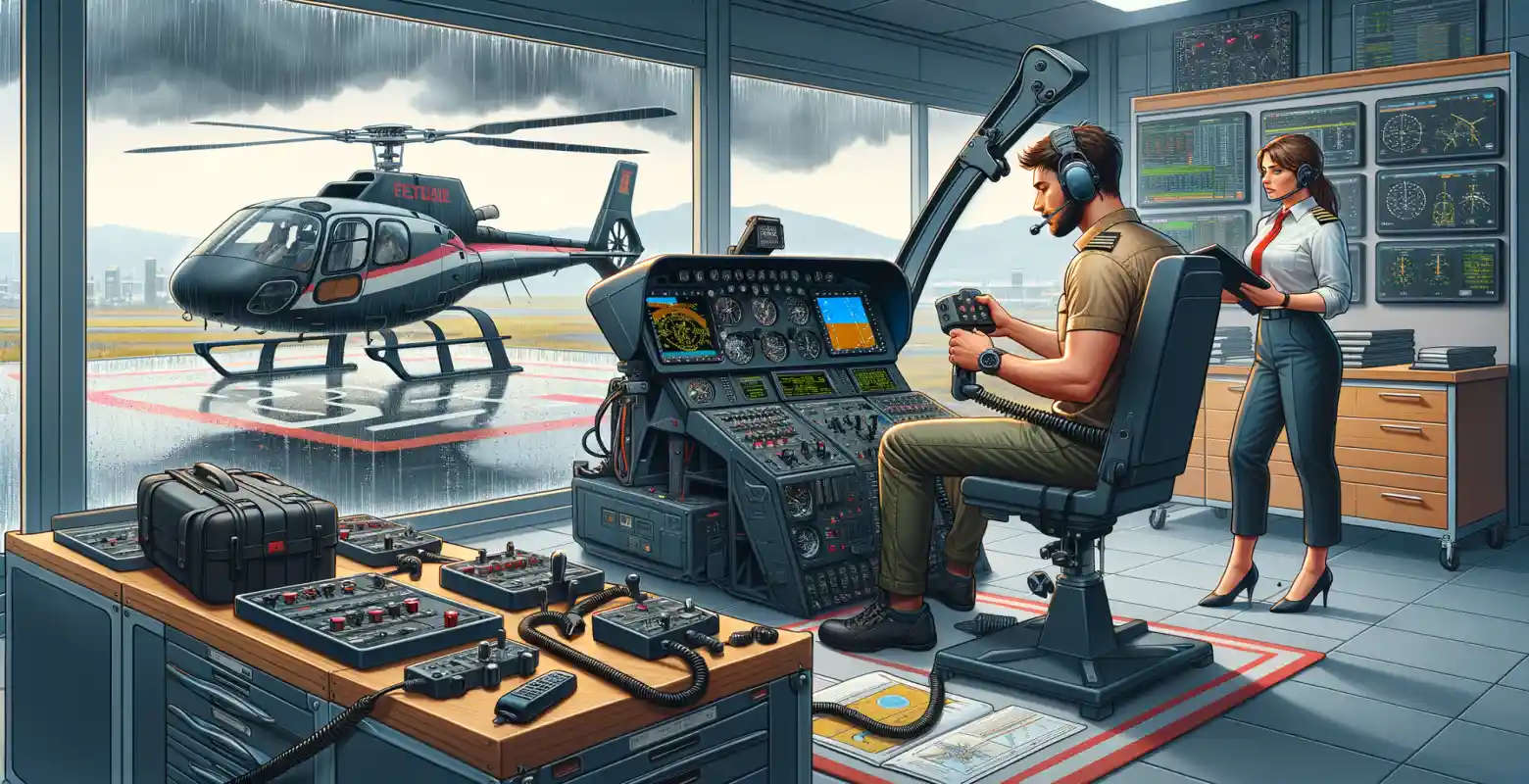
Helicopter pilot training is an extremely complex and demanding process for both instructors and aspiring aviation artists. In the era of dynamic development of aviation technologies and increasing demand for aviation services, the role of helicopter pilots becomes even more significant. Helicopters are used in many key sectors such as medical rescue, search and rescue operations, cargo transport, and military operations. Therefore, effective pilot training is crucial not only for flight safety but also for the efficiency of operations involving helicopters. In this article, we will discuss the main challenges associated with the training process of helicopter pilots, examining both the technical and psychological aspects of this process.
Technical challenges of helicopter pilot training
Helicopter pilot training requires specific technical knowledge and skills that differ from those necessary in airplane aviation. One of the main challenges is understanding and mastering the complex helicopter control system. Unlike airplanes, helicopters can move in any direction and hover in the air, requiring the pilot to have precise control over the machine. This includes managing the main rotor and tail rotor, which are crucial for the stability and maneuverability of the helicopter.
Another challenge is the complex navigation and communication systems that future pilots must master. Modern helicopters are equipped with advanced onboard electronics systems that require skills in handling and interpreting navigation data.
Psychological and physical challenges
Helicopter pilots must also face a series of psychological and physical challenges. Helicopter flights often take place in difficult weather and terrain conditions, requiring pilots to react quickly and make decisions in stressful situations. Therefore, training also includes aspects of stress management and developing the ability to work in a team, which is crucial during rescue missions or military operations.
In addition, pilots must be in excellent physical condition. Prolonged flights, frequent changes in altitude, and overloads can affect their health, so it is essential for pilot candidates to be physically prepared for these challenges.
Historical background and technological development
Helicopter pilot training has its roots in the 1940s when helicopters began to be widely used for both military and civilian purposes. Since then, aviation technology has evolved, introducing increasingly advanced machines and systems. The development of flight simulators was one of the key steps in the evolution of pilot training. Modern simulators allow for a realistic replication of flight conditions, which better prepares trainees for actual aviation operations.
Equipment and cost management
One of the biggest challenges associated with helicopter pilot training is its cost. Maintaining equipment, renting simulators, and compensating highly qualified instructors generate significant expenses. Additionally, the cost of the helicopter itself is another significant factor. Training also requires the development of effective training programs that minimize costs while ensuring the necessary quality and safety.
The future of helicopter pilot training
In the future, we can expect further integration of modern technologies in the helicopter pilot training process. The development of virtual reality (VR) and augmented reality (AR) can significantly impact how future pilots gain experience. These technologies can enable more immersive and realistic training that is both cost-effective and more accessible.
Summary
Helicopter pilot training is an extremely complex process that requires advanced technical knowledge, as well as psychological and physical skills. These challenges are exacerbated by the rapidly evolving technology and increasing demand for aviation services. Despite these difficulties, effective training is crucial to ensure the safety and efficiency of aviation operations. The future of helicopter pilot training looks promising, given the potential of new technologies. It is important to continue the development and investment in education and training technologies to meet future challenges.


Number of comments: 0