

The impact of technology on the comfort of passenger travel
Introduction
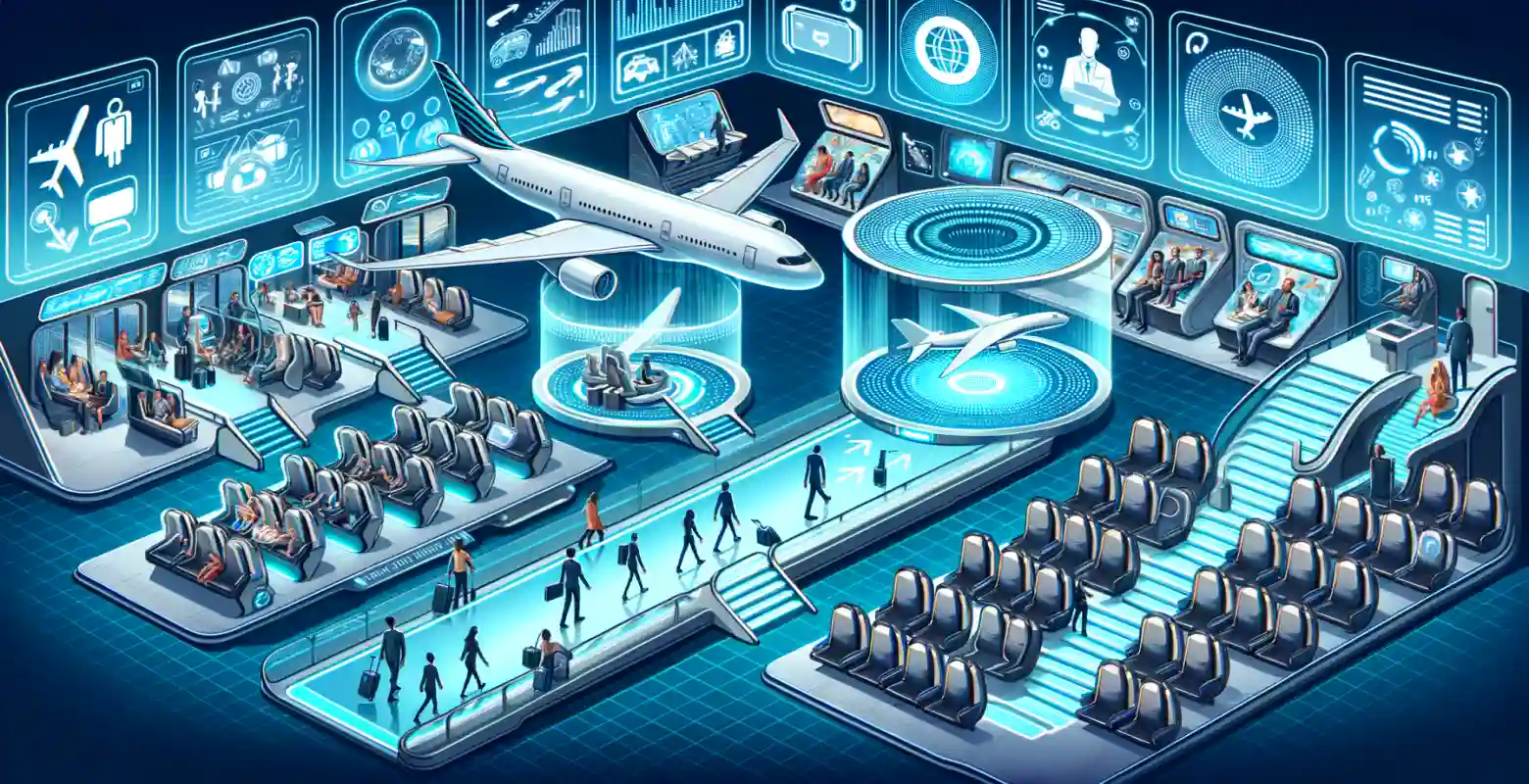
In today's world, technology plays a key role in shaping our everyday lives, including the way we travel. The comfort of passenger travel has significantly changed over the past decades, with technological innovations being one of the main factors driving this process. From the advent of the first passenger airplanes to modern information and entertainment systems, technology continuously improves the quality of travel, making it more enjoyable and safe. In this article, we will examine how technology has influenced the comfort of travel, the benefits it brings to passengers, and the challenges and future trends that can be predicted in this field.
Technological Innovations in Aviation
The aviation sector is one of the industries that has benefited the most from technological advancements. The introduction of new technologies in airplanes has greatly enhanced passenger comfort. One key example is the development of in-flight entertainment systems. Modern aircraft are equipped with touch screens that offer access to a wide range of movies, TV shows, music, and games. This allows travelers to spend their time in a more diverse and enjoyable manner.
Improvements in seat quality and ergonomics should also not be overlooked. Modern seats are designed with long-term comfort in mind, offering features such as adjustable lumbar support, more legroom, and built-in chargers for electronic devices. Additionally, LED lighting systems are used to create a more relaxing environment, helping passengers cope better with jet lag.
Technology in Rail Transport
Rail transport has also experienced significant changes thanks to technology. The introduction of high-speed trains, such as Japan's Shinkansen and France's TGV, has revolutionized medium and long-distance travel. Through advanced engineering technologies, these trains can reach speeds exceeding 300 km/h, significantly reducing travel time.
Furthermore, technology has improved the accessibility and comfort of rail travel through online reservation systems, allowing passengers to easily plan their trips and choose their seats. Wireless Wi-Fi networks are increasingly being installed on trains, enabling passengers to work and entertain themselves during the journey.
Impact of Technology on Road Transport
Road transport also benefits from technological advancements. GPS navigation systems have become standard in cars, making route planning and traffic avoidance much easier. Many modern vehicles also feature advanced driver assistance systems (ADAS) such as adaptive cruise control, lane-keeping systems, and automatic emergency braking. These technologies not only enhance safety but also improve driving comfort, reducing the stress associated with vehicle operation.
Simultaneously, the development of electric and hybrid vehicles contributes to reducing noise and emissions, significantly enhancing travel comfort for both drivers and passengers.
Technological Enhancements for Passengers
Technology has also changed the way passengers plan and book their travels. Mobile applications provide easy access to flight, train, or bus information, as well as allow for quick and convenient booking and ticket purchase. This enables travelers to minimize the time spent organizing their trips and focus on enjoying them.
Technologies such as facial recognition and automatic check-ins at airports and train stations expedite travel-related processes, reducing queues and waiting times. Additionally, baggage tracking apps give passengers a greater sense of security by allowing them to monitor the location of their luggage in real time.
Challenges Associated with Technology in Travel
Despite numerous benefits, technology in travel also presents challenges. One of them is the issue of personal data security. With the increasing amount of data collected by airlines, railways, and transport companies, the risk of data breaches or misuse grows. Effective protective measures need to be implemented to ensure passenger privacy.
Another challenge is adapting older infrastructure to modern technologies. Many airports and stations require modernization to fully leverage the potential of advanced systems. This process is costly and time-consuming, which may delay the implementation of new solutions.
The Future of Passenger Travel
The future of passenger travel looks extremely promising, with many new technologies on the horizon. One of the most exciting trends is the development of autonomous travel. Autonomous vehicles, already being tested on roads, can revolutionize road transport, offering even higher levels of comfort and safety.
Passenger drones and flying taxis are another area that could change the way we travel on short distances in the future. They could enable avoiding congested roads and fast movement over cities.
Additionally, the development of Hyperloop technology, or vacuum transport systems, could revolutionize long-distance travel, offering speeds far exceeding those achieved by traditional trains.
Summary
Technology has a tremendous impact on the comfort of passenger travel, bringing numerous benefits in terms of better vehicle equipment and facilitation in trip planning and organization. Despite challenges related to data security and infrastructure modernization, the future of passenger travel seems incredibly promising, with many new technologies on the horizon. It is important to continue investing in the development and implementation of innovations to make travel increasingly comfortable, safe, and accessible to all.



Number of comments: 0