

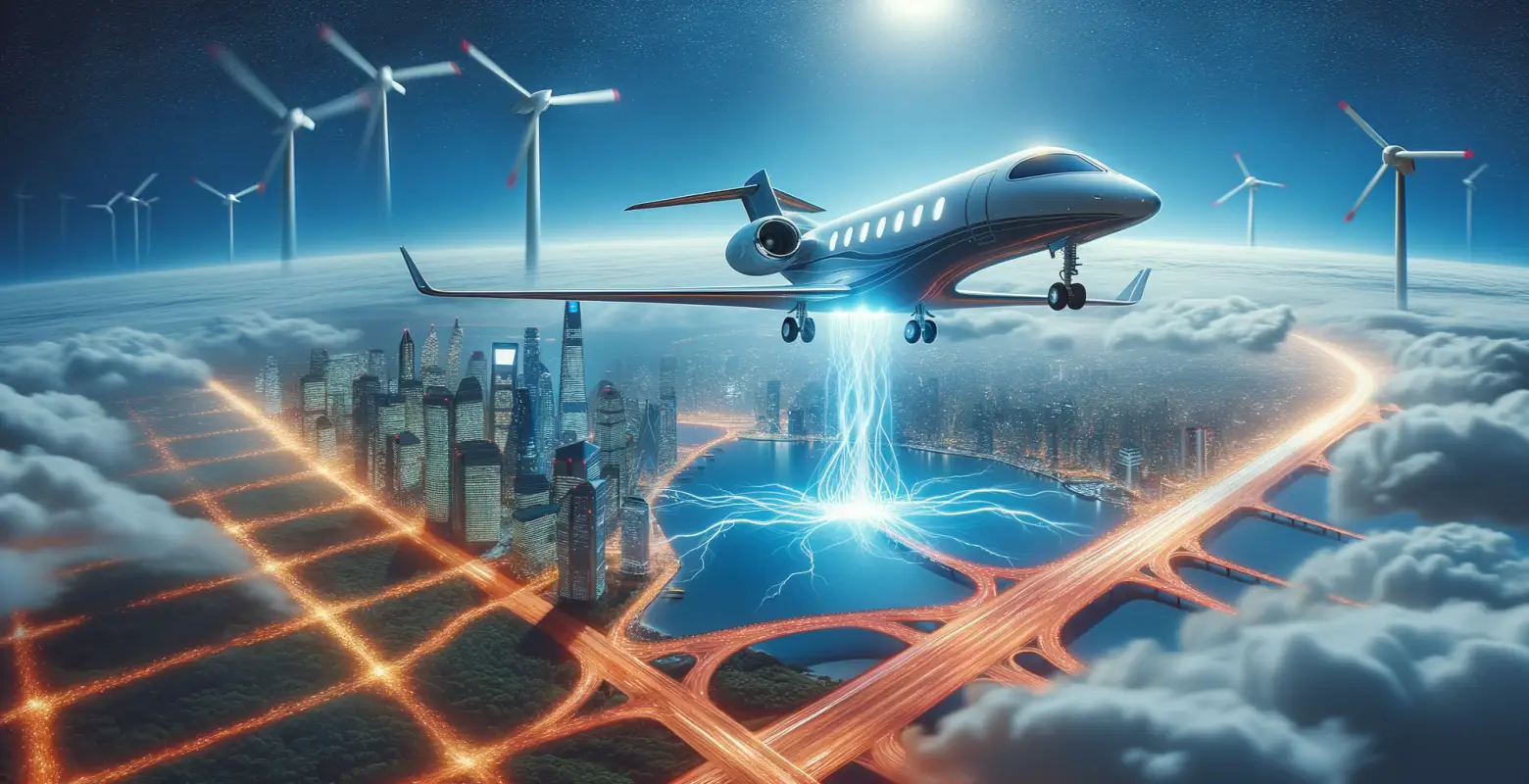
The future of electric private jets
Introduction
The future of private electric jets is a topic that is gaining importance in the context of global energy transformation. As the world seeks to reduce carbon dioxide emissions, the aviation industry faces the challenge of finding more sustainable technological solutions. Electric private jets have the potential to revolutionize the way we travel, offering quieter, more environmentally friendly, and potentially cheaper options for air transport. In this article, we will take a closer look at this fascinating topic, analyzing current achievements, challenges, and future possibilities.
History and Technological Development
Although the concept of electric aircraft is not new, it is only in recent years that the technology has reached a level that allows for practical applications. The beginnings of electric aviation date back to the 1970s when the first experimental models appeared. However, technological limitations such as low battery efficiency have long been a barrier to commercial implementation.
The development of battery technology, especially advances in lithium-ion batteries, has played a key role in enabling the production of electric aircraft. Companies such as Siemens, Airbus, and Boeing are investing in research and development to expedite the implementation of these innovative solutions.
Advantages of Electric Private Jets
Electric jets are attracting attention due to a number of benefits they offer:
Reduced pollution emissions:One of the key advantages of electric aircraft is the reduction of CO2 emissions. Compared to traditional aircraft, electric jets can significantly lower the carbon footprint, contributing to environmental protection.
Lower noise levels:Electric engines are much quieter than their combustion counterparts, making flights less bothersome for people living near airports and passengers.
Lower operating costs:Electric-powered aircraft can offer lower operating costs due to reduced fuel consumption and simpler maintenance of electric engines.
Challenges Facing the Industry
However, the development of electric private jets faces many obstacles. A key challenge is battery capacity and efficiency. Current technologies do not allow for long flights, limiting the range of electric aircraft to shorter routes.
Another issue is the long charging times, which can affect operational efficiency. Charging infrastructure at airports also requires significant investment to meet future demand.
Additionally, legal regulations regarding the certification of new aviation technologies are complex and time-consuming, which can delay the introduction of innovative solutions to the market.
Future Trends and Opportunities
Despite current challenges, the future of electric private jets looks promising. Airlines and startups worldwide are working on innovations that can accelerate the implementation of this technology.
Advances in battery technology:As battery technology advances, it is possible to introduce more efficient and lighter batteries that increase the range of electric aircraft.
Hybrid and transitional solutions:Some companies are focusing on hybrid solutions, combining electric engines with traditional ones, allowing for a gradual transition to full electrification.
New business models:Electric jets can also revolutionize the aviation business model. New services such as "air taxis" may emerge, utilizing smaller electric aircraft for short-distance travel.
Summary
The future of electric private jets is a topic that evokes many emotions and hopes. Although this technology is still in the development phase, its potential to change the aviation landscape is enormous. Faced with global environmental challenges, electric aircraft can become a key element of sustainable future transport. It is worth following the development of this industry and supporting initiatives that bring us closer to a more ecological future.



Number of comments: 0