

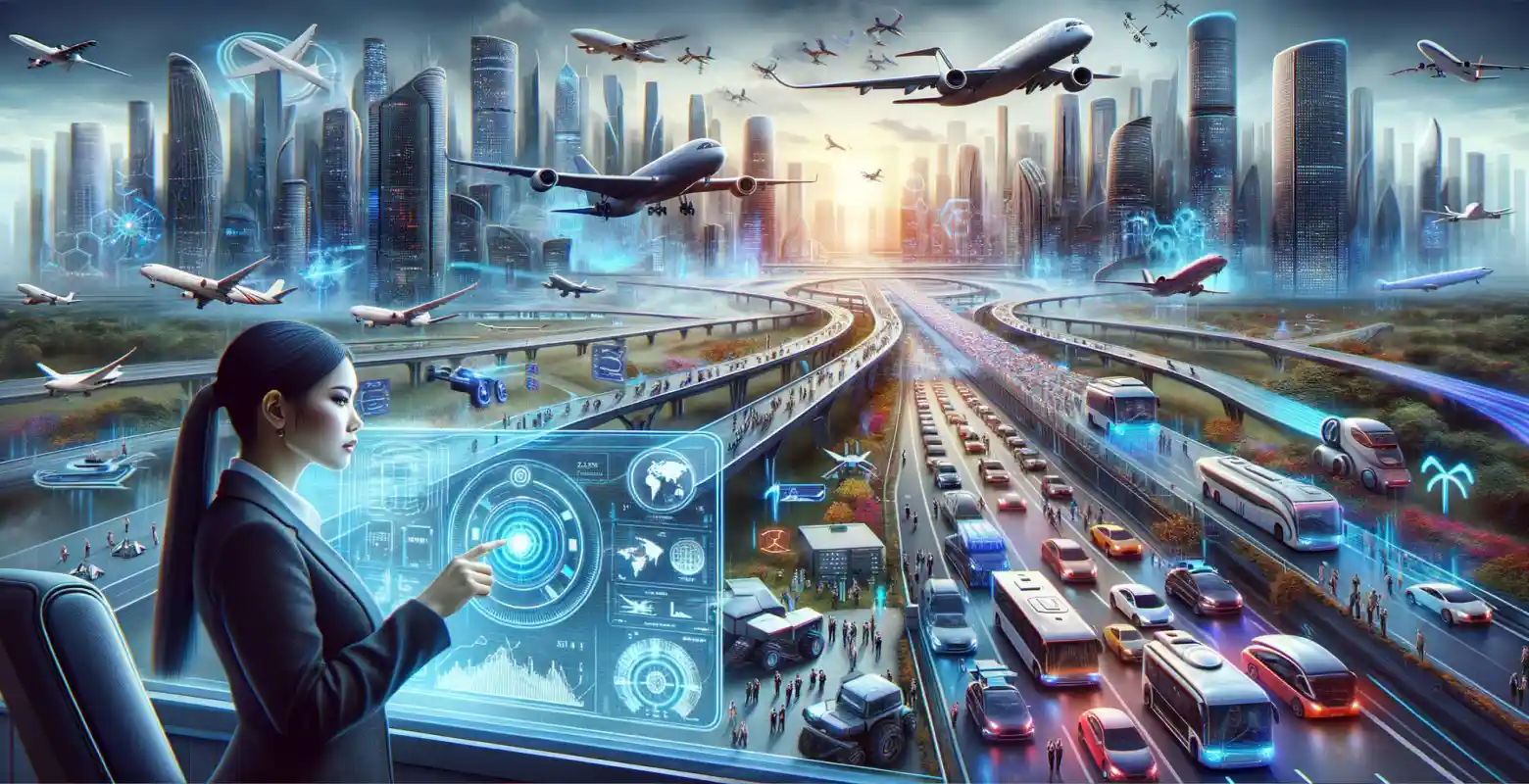
What are the biggest challenges in managing airports in the cities of the future?
Introduction
Airports are an essential element of modern urban infrastructure, playing a key role in connecting cities to the rest of the world. In an era of rapid technological and urban development, managing airports in the cities of the future becomes a strategically significant challenge. As cities grow and become increasingly crowded, airports must adapt to new realities to meet the expectations of passengers and environmental challenges. In this article, we will examine the biggest challenges related to airport management in the cities of the future, analyzing both technical and social, economic, and ecological aspects.
Increase in Passenger Numbers and the Need for Infrastructure Expansion
One of the most important challenges facing airports in the cities of the future is the dynamic increase in passenger numbers. According to the International Air Transport Association (IATA), the number of air passengers worldwide is expected to double by 2037. Such a significant growth requires substantial expansion of airport infrastructure, including terminals, runways, and taxiways.
Expanding airport infrastructure involves significant financial investments and complex planning procedures. Additionally, airport expansion often faces social resistance due to concerns about noise, air pollution, and the loss of green spaces. Therefore, cities of the future must find a way to reconcile the need for infrastructural development with the quality of life of residents.
Utilization of Technology and Automation
Technology plays a crucial role in managing airports of the future. Automation of processes such as ticket check-in, security checks, and baggage handling can significantly increase operational efficiency and enhance passenger experience. Intelligent air traffic monitoring and management systems allow for the optimization of airspace usage and reduction of delays.
One example of innovative technological solutions is the use of artificial intelligence to analyze passenger data and predict their needs. This enables airports to better tailor their services to changing customer preferences. In the cities of the future, the implementation of modern technologies will be crucial for the sustainable development of airports.
Climate Change and Sustainable Development
Climate change poses one of the biggest challenges for airports worldwide. Aviation accounts for approximately 2-3% of global CO2 emissions, and its environmental impact will increase with the growing number of flights. Airports in the cities of the future must prioritize sustainable development by investing in emission-reducing technologies and promoting ecological transportation alternatives.
The introduction of renewable energy sources, such as solar panels or wind turbines, can help reduce the carbon footprint of airports. Furthermore, promoting public transportation as a means of accessing airports and implementing offset programs for passengers can help mitigate the negative environmental impact.
Security Management and Cybersecurity
Security remains a priority for airport operators, especially in the context of increasing terrorism threats and cyberattacks. In the cities of the future, airports must invest in modern threat monitoring and detection technologies, such as body scanners or facial recognition systems, to ensure passenger safety.
Cybersecurity is another crucial aspect of airport management. Due to increasing reliance on digital technologies, airports become potential targets for cybercriminals. Implementing effective data protection and IT infrastructure security strategies is essential to safeguard against cyberattacks and protect sensitive passenger information.
Integration with Public Transport and Future Mobility
In the cities of the future, airports should be an integral part of the urban transport system, enabling easy and fast access to the city center and other regions. The development of mobile technologies, such as autonomous vehicles or flying taxis, can revolutionize how passengers travel to and from the airport.
Integrating different modes of transportation, such as trains, subways, or buses, with airport infrastructure can significantly improve travel accessibility and convenience. The introduction of intelligent traffic management systems and mobile applications that allow for real-time travel planning can contribute to increased efficiency and passenger comfort.
Social Challenges and Communication with Local Communities
Airports in the cities of the future must address social challenges such as noise, air pollution, and land expropriation for infrastructure expansion. Dialogue with local communities and transparent communication can help mitigate conflicts and build positive relationships with residents.
Engaging local communities in the planning and management of airports can lead to a better understanding of their needs and concerns. Organizing social consultations, informational campaigns, and educational programs can help build trust and support sustainable airport development.
Summary
Managing airports in the cities of the future is a complex challenge that requires consideration of multiple aspects, from infrastructure and technology to social and ecological issues. As cities continue to grow and the number of passengers increases, airports must adapt to new realities to meet passenger expectations and environmental challenges. The implementation of modern technologies, investment in sustainable development, and building positive relationships with local communities will be crucial. Only in this way can airports effectively function in the cities of the future, connecting people and cultures worldwide.



Number of comments: 0