

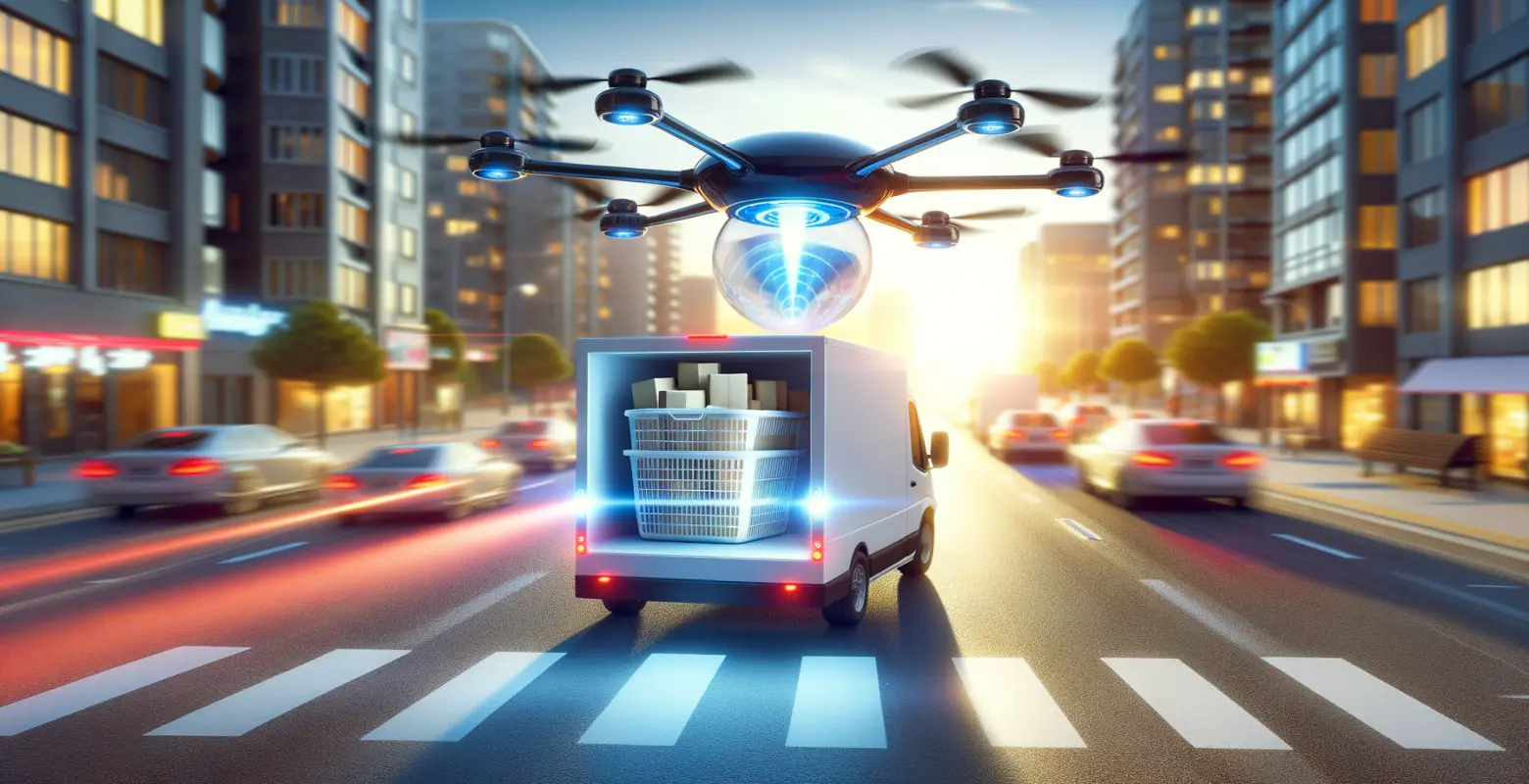
The future of deliveries using drones - when will it become a reality?
Introduction
Delivery using drones is a topic that is increasingly being discussed in the context of the future of logistics and transport technology. As drone technologies develop rapidly, the possibility of using them for delivering goods is becoming more and more realistic. Why is this topic so important? Primarily, drones have the potential to revolutionize the way we receive and deliver goods, from everyday purchases to urgent medical shipments. In this article, we will take a closer look at when drone deliveries may become part of our daily lives, what benefits and challenges this technology brings, and what trends are shaping its future.
History and Development of Drone Technology
Drone technology, also known as UAV (Unmanned Aerial Vehicles), has its roots in military applications. The first drones were mainly used for reconnaissance and surveillance purposes. However, over time, their applications began to expand to other fields, including agriculture, photography, and recently, logistics.
A breakthrough moment was the introduction of drones for commercial purposes by companies such as Amazon and Google. In 2013, Amazon announced plans to introduce Prime Air – a drone delivery service, which attracted significant media and consumer attention. Since then, many companies have started testing and pilot drone delivery programs, exploring their potential and capabilities.
Benefits of Drone Deliveries
Drone deliveries offer a range of benefits that can significantly impact the future of logistics. Firstly, drones can expedite the delivery process, especially in urban areas where traffic jams and congested streets often delay transportation. By being able to fly in a straight line over obstacles, drones can deliver packages faster and more efficiently.
Another important advantage is cost reduction. Drones operating on short distances are more cost-effective to operate than traditional delivery vehicles that consume fuel and require drivers. Moreover, drones can reduce CO2 emissions, which is crucial in the context of global efforts towards sustainable development.
Challenges and Limitations of Drone Technology
Despite many benefits, drone deliveries face a number of challenges that need to be addressed before they become commonplace. One of the main issues is legal regulations. Many countries still lack clear regulations regarding drone flights, making their commercial use difficult.
Safety is another significant issue. The risk of collisions, signal interference, or technical failures requires the development of advanced air traffic control systems for drones. Additionally, there are concerns regarding privacy, as drones can be equipped with cameras and other recording devices.
Current Trends and Technological Development
Currently, many companies and research institutions are working on innovations to overcome challenges related to drone deliveries. One of the key areas is the development of advanced AI and automation systems that will allow drones to autonomously navigate and identify obstacles.
Another important trend is the miniaturization and increased energy efficiency of drones. With advancements in battery technology, drones are becoming more durable and capable of covering longer distances. The development of 5G technology can also accelerate communication and control of drones, enabling smoother and more reliable operations.
The Future of Drone Deliveries – When Will They Become Commonplace?
Currently, many companies are conducting pilot tests and implementing local drone delivery programs, but there are still many challenges before their widespread deployment. Experts predict that drone deliveries may become common within the next 5-10 years, especially in densely populated areas with difficult access.
To achieve this, the involvement of both the private and public sectors in creating favorable regulations and supporting infrastructure will be necessary. Public education and building trust in new technologies also play a crucial role in the adaptation process.
Summary
Drone deliveries are an inevitable part of the future of logistics, the development of which can bring many benefits, from shortening delivery times to reducing costs and CO2 emissions. However, for drones to become commonplace, overcoming numerous challenges, especially in terms of legal regulations and safety, is necessary.
From the perspective of consumers, the future of drone deliveries seems promising, offering new possibilities and convenience. It is worth following the development of this technology and being prepared for changes that may come sooner than expected. In the meantime, as a society, we should actively participate in debates on how to best harness the potential of drones, keeping in mind sustainable development and the safety of all airspace users.


Number of comments: 0